

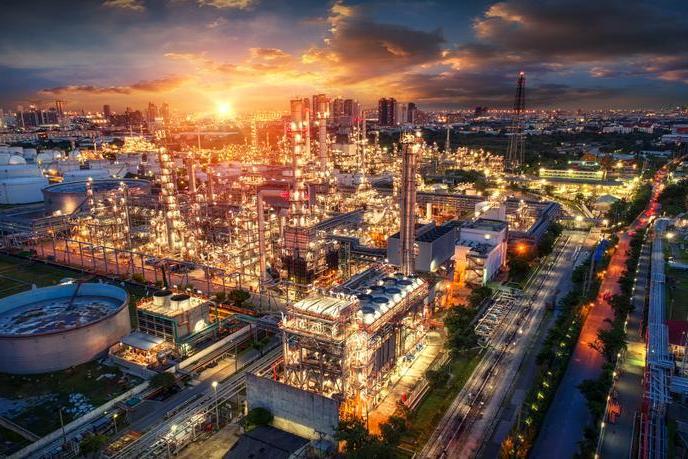
Uganda’s long-delayed national oil refinery project has entered a decisive stage, as the government edges closer to finalising a $4 billion partnership with a United Arab Emirates–backed investor. The development is expected to significantly reshape fuel supply patterns across East Africa and strengthen Uganda’s position in the regional energy market.

After more than a decade of setbacks and stalled negotiations, momentum has returned to the project following the signing of fresh agreements between the Uganda National Oil Company (UNOC) and Alpha MBM Investments LLC, a Dubai-based firm. These agreements have cleared the way for a Final Investment Decision, which officials say is now targeted for mid-2026.

The refinery, planned for the Albertine Graben region, is designed to process up to 60,000 barrels of crude oil per day once operational. For Uganda, the project carries major economic significance. The country currently spends an estimated $2 billion annually on imported petroleum products, a heavy burden on foreign exchange reserves and a key driver of inflation. By refining its own crude locally, Uganda aims to cut these costs and retain more value within its economy.

President Yoweri Museveni, who oversaw the signing ceremony at State House in Entebbe, described the refinery as a strategic move to break Africa’s long-standing dependence on exporting raw materials and importing finished products. According to him, the project fits into a broader vision of industrialisation and value addition that could unlock sustained economic growth.
Under the proposed ownership structure, Alpha MBM Investments will take a 60 percent equity stake in the refinery, while UNOC will retain the remaining 40 percent. Ugandan authorities say the arrangement reflects renewed investor confidence in the country’s oil sector after years of failed partnerships and uncertainty.

Beyond domestic benefits, the refinery is expected to play a crucial regional role. Uganda plans to supply refined petroleum products to neighbouring countries such as South Sudan, eastern Democratic Republic of Congo, Rwanda and Burundi. These largely landlocked markets currently depend on fuel transported from coastal ports in Kenya and Tanzania, often at high cost. A functioning refinery in Uganda could reduce transportation expenses, improve supply reliability and strengthen regional trade links.

The timing of the project is also notable, coming amid volatility in global energy markets driven by geopolitical tensions, supply disruptions and rising demand in developing economies. Across Africa, governments are increasingly prioritising local refining capacity as a way to enhance energy security and capture more value from natural resources. Uganda’s refinery is expected to complement its upstream oil developments and the planned crude export pipeline, further anchoring the country within regional energy networks.

Energy Minister Ruth Nankabirwa has highlighted the wider economic impact of the project, noting that it is expected to create thousands of direct and indirect jobs while building local expertise in refining, petrochemicals and related services. She said the refinery could also serve as a foundation for downstream industries such as fertiliser production and petrochemicals, while opening opportunities for Ugandan firms to participate in supply chains.
Analysts believe that additional investments linked to the refinery — including storage facilities, pipelines and industrial parks — could help deepen Uganda’s manufacturing base, which remains relatively small compared to its population and growth ambitions.
For Alpha MBM Investments, the deal underscores growing Gulf interest in African energy infrastructure, particularly government-backed projects with long-term demand prospects. The partnership allows Uganda to advance detailed engineering work, financing plans and regulatory approvals ahead of the final investment decision.

While large-scale refineries typically take several years to complete after a final decision, Ugandan officials argue that early groundwork could shorten delivery timelines. Challenges remain, including complex financing, infrastructure coordination and evolving global attitudes toward fossil fuels. Nonetheless, with key agreements now in place and a clear timeline emerging, 2026 is shaping up to be a pivotal year for Uganda’s oil ambitions.
If executed as planned, the refinery could transform Uganda’s energy economics and firmly position the country as a regional refining hub, with ripple effects felt well beyond its borders.




