

The Federal Government has outlined plans to comprehensively transform Nigeria’s polytechnic education system, positioning it as a key driver of job creation, innovation and sustainable national development.
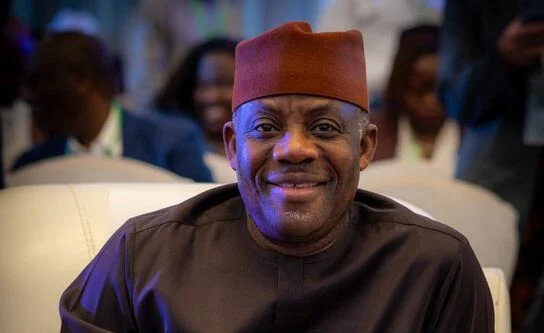
The Minister of Education, Dr Maruf Alausa, made this known at a retreat organised by the Conference of Heads of Polytechnics, Colleges of Education and related institutions, held in Abuja. The gathering brought together governing council chairmen, commissioners of education, rectors, registrars and bursars from across the country.

Speaking on the theme, Transforming Polytechnic Education in Nigeria: Innovation, Good Governance and Sustainability for National Development, the minister described polytechnics as critical institutions where practical skills, innovation and economic resilience are nurtured. He stressed that technical education must move beyond theory to become a foundation for industrial growth and self-reliance.

Alausa said the Federal Ministry of Education was placing renewed emphasis on Technical and Vocational Education and Training, with the goal of producing graduates equipped with industry-relevant skills and the capacity to solve real-world problems. According to him, government policy now prioritises making polytechnic graduates industry-ready, innovative and capable of driving national development.
He urged polytechnic leaders to strengthen entrepreneurship, research and industry collaboration, noting that innovation must become central to the identity of polytechnics. He called for the establishment of entrepreneurship centres, research hubs and strong partnerships with industry to turn ideas into viable products and businesses that can generate employment.

The minister identified key sectors such as renewable energy, agricultural technology, digital manufacturing and climate-resilient solutions as areas where polytechnics should focus their research and training efforts to meet Nigeria’s development needs.
On governance, Alausa emphasised the need for transparency, accountability and ethical leadership across polytechnic institutions. He warned against conflicts of interest and poor financial management, stressing that institutions must prioritise merit in appointments and promotions. He declared that the era of impunity in public institutions was over, calling for fiscal discipline, timely audits and zero tolerance for corruption to restore public trust and attract investment.
He also highlighted the importance of sustainable funding through improved Internally Generated Revenue and reduced dependence on imports, while acknowledging persistent challenges such as inadequate funding, outdated infrastructure and societal bias favouring university degrees over technical education.
Despite these challenges, the minister assured stakeholders of government support under President Bola Tinubu’s Renewed Hope Agenda, including policy reforms, infrastructure upgrades and strategic partnerships. He announced a special intervention by the Tertiary Education Trust Fund to upgrade engineering schools in polytechnics with modern equipment, following similar interventions in medical colleges.

In his remarks, the Chairman of the Conference of Heads of Polytechnics, Colleges of Education and Similar Institutions, Dr Sani Tunga, said the retreat was timely given the central role of polytechnics in Nigeria’s economic diversification and job creation efforts. He described polytechnics and colleges of technology as vital institutions for producing skilled and entrepreneurial manpower.
Tunga acknowledged challenges confronting the sector, including inadequate funding, outdated facilities, evolving industry demands, governance gaps and sustainability concerns. He also drew attention to recurring conflicts between governing councils and management, as well as between management and staff unions, noting that such tensions often arise from disagreements over policy interpretation, resource allocation and welfare issues.

He said the retreat was designed to encourage dialogue among key stakeholders, explore innovative approaches to curriculum development and industry partnerships, strengthen governance and accountability, improve financial sustainability and address the root causes of conflicts within the system.
Also speaking, the Executive Secretary of the National Board for Technical Education, Professor Idris Bugaje, called for renewed commitment to strengthening technical and polytechnic education, describing recent reforms as a turning point after decades of neglect. He noted that technical education predates university education in Nigeria but suffered marginalisation after independence.

Bugaje highlighted the imbalance in the education system, pointing out the small number of technical colleges compared to senior secondary schools nationwide. He said recent reforms under the current Minister of Education had begun to reverse years of decline, adding that the National Board for Technical Education was being restructured to better serve the sector.
The retreat concluded with a call on participants to return to their institutions and implement the principles discussed, as stakeholders expressed optimism that a revitalised polytechnic system would empower young Nigerians, boost local industry, reduce unemployment and contribute meaningfully to national development.




