

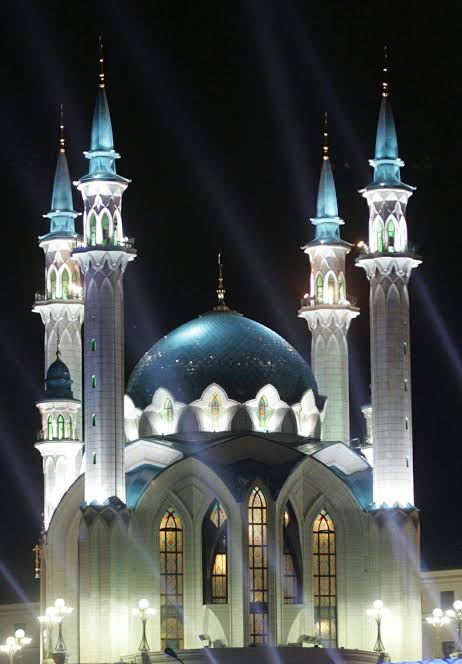
*Today is 18th of Sha’ban 1447AH (6 February 2026) and a Day of Jumu’ah (Friday)*
*Pre-Ramadhan 1447AH Nuggets*
*Nothing is Equal to Fasting*
Abu Umamah Narrated:
I said, “O Messenger of Allah (ﷺ), tell me a deed to do.” The Messenger of Allah, (ﷺ), said, “ *You must fast, for there is nothing equal to it.*”
Sunan al-Nasā’ī 2223, Sahih (authentic) according to Al-Albani
عَنْ أَبِي أُمَامَةَ قَالَ قُلْتُ يَا رَسُولَ اللَّهِ مُرْنِي بِعَمَلٍ قَالَ رَسُولُ اللَّهِ صَلَّى اللَّهُ عَلَيْهِ وَسَلَّمَ عَلَيْكَ بِالصَّوْمِ فَإِنَّهُ لَا عَدْلَ لَهُ
2223 سنن النسائي كتاب الصيام
2222 المحدث الألباني خلاصة حكم المحدث صحيح في صحيح النسائي
*NOTES 📝*
1. Sawm (fasting) holds immense virtue and reward, and the Companions of the Prophet (ﷺ) were keen to ask him about the best deeds. In this hadith, Abu Umamah (may Allah be pleased with him) requested the Prophet (ﷺ) to guide him to an action that would lead him to Paradise. The Prophet (ﷺ) advised him to fast, emphasizing that *”there is nothing equal to it.”* When Abu Umamah repeated his request, the Prophet reaffirmed that fasting was unparalleled in its virtue. This highlights the significance of fasting, both obligatory and voluntary, as a means of attaining Allah’s pleasure and entering Paradise.

2. The longer version of the hadith continued with Abu Umamah participating in multiple battles, each time requesting the Prophet (ﷺ) to supplicate for his martyrdom. However, the Prophet (ﷺ) prayed instead for his safety and success, and each time Abu Umamah returned unharmed with spoils of war. Realizing that martyrdom was not decreed for him, he asked for another beneficial act. The Prophet (ﷺ) again recommended fasting, reinforcing its unique status. The narrator adds that Abu Umamah and his household fasted so frequently that their home rarely had cooking smoke during the day unless they were hosting a guest. Abu Umamah later sought additional guidance, and the Prophet (ﷺ) advised him that every prostration to Allah elevates one’s rank and erases sins, showing the value of prayer alongside fasting.
3. This hadith does not imply that fasting is superior to all other deeds in every context. Other narrations, such as that of Abdullah ibn Mas’ud (may Allah be pleased with him), indicate that the most beloved deeds to Allah include performing prayer on time, honoring parents, and striving in His cause. The Prophet’s responses varied based on the person asking, their situation, and their capabilities. While fasting may be the best act for some, for others, prayer, jihad, or other righteous deeds may hold greater merit at different times. This contextual flexibility reflects the wisdom of Islamic teachings, ensuring that every believer finds the most suitable path to Allah’s pleasure.

*O Allah! Allow us to witness (and benefit from) the month of Ramadhan. Keep us firm upon what is lawful, and distance us from all that You have forbidden. Forgive our shortcomings and accept our efforts. Indeed, You are All-Hearing, Ever-Responsive. Ãmeen*
May Allah in His infinite mercy perfect and improve every aspect of our lives, grant us sound health, peace of mind, prosperity, and a blessed future filled with His light and guidance. May He unite our hearts in goodness and shower His endless rahmah upon us all. Aameen.
Jummah Mubarak!

Jumu’ah Prayer of Adoration, Forgiveness, Mercy & Prosperity.
Alhamdulillāhi Rabbil ‘Ālamīn.
All praise belongs to You, O Allah — Lord of the worlds, the Most Compassionate, the Most Merciful.
On this blessed day of Jumu’ah, we bow our hearts in adoration before Your Majesty, acknowledging that all dominion, power, honour, and provision belong to You alone.
Subhānaka Allāhumma wa bihamdika, tabārakasmuka, wa ta‘ālā jadduka, wa lā ilāha ghayruk.
Glory be to You, O Allah, and praise. Blessed is Your Name, exalted is Your Majesty — none has the right to be worshipped but You.
Ya Rahmān, Ya Rahīm… envelop us in Your mercy.
Forgive our shortcomings, our hidden sins, our public mistakes, and our private struggles.
Allāhumma innaka ‘afuwwun tuhibbul ‘afwa fa‘fu ‘annā.
O Allah, You are Pardoning and love to pardon — so pardon us.
Cleanse our hearts from arrogance, envy, hatred, and despair. Replace our anxieties with tranquillity, our fears with courage, and our burdens with relief.
Rabbanā lā tu’ākhidhnā in nasīnā aw akhta’nā.
Our Lord, do not hold us accountable if we forget or err.

On this sacred day, write us among those forgiven… among those accepted… among those whose duas are never rejected.
O Allah, send abundant blessings upon our noble Prophet.
Allāhumma salli ‘alā Sayyidinā Muhammad, wa ‘alā āli Sayyidinā Muhammad, kamā sallayta ‘alā Ibrāhīm wa ‘alā āli Ibrāhīm, innaka Hamīdun Majīd.
Let his light guide our homes, our leaders, our nation, and our generations unborn.
Ya Razzaq… O Provider…
Open for us the doors of halal prosperity.
Bless the works of our hands.
Multiply our earnings without sorrow.
Grant us wealth that draws us closer to You, not away from You.
Allāhumma ikfinā bihalālika ‘an harāmik, wa aghninā bifadhlika ‘amman siwāk.
O Allah, suffice us with what You have made lawful over what You have forbidden, and enrich us by Your bounty from all besides You.
Plant barakah in our businesses, our careers, our farms, our trade, and our partnerships. Let our prosperity uplift others and relieve the needy.
Ya Hafīz… O Protector…
Protect our communities from violence, fear, and bloodshed.
Guard our land from terror, injustice, and oppression.
Strengthen those tasked with protecting lives and restore peace where turmoil resides.
Allāhumma ihfaznā min bayni aydīnā wa min khalfina, wa ‘an aymāninā wa ‘an shamā’ilinā wa min fawqinā.
O Allah, protect us from before us, behind us, on our right, on our left, and from above us.
Grant mercy to our departed souls.

Allāhumma ighfir lahum warhamhum, wa ‘āfihim wa‘fu ‘anhum.
O Allah, forgive them, have mercy on them, grant them ease, and pardon them.
Expand their graves with light and admit them into Jannatul-Firdaus.
Our Lord…
Rabbana ātinā fid-dunyā hasanah, wa fil-ākhirati hasanah, wa qinā ‘adhāban-nār.
Grant us goodness in this world and goodness in the Hereafter, and save us from the punishment of the Fire.
Accept our Jumu’ah, accept our prayers, accept our repentance, accept our hopes.
Make us among those who leave this sacred day forgiven, elevated, and spiritually renewed.
Innaka Samī‘ud-Du‘ā.
Indeed, You are the Hearer of supplication.
Āmīn.
www.headlinenews.news



