

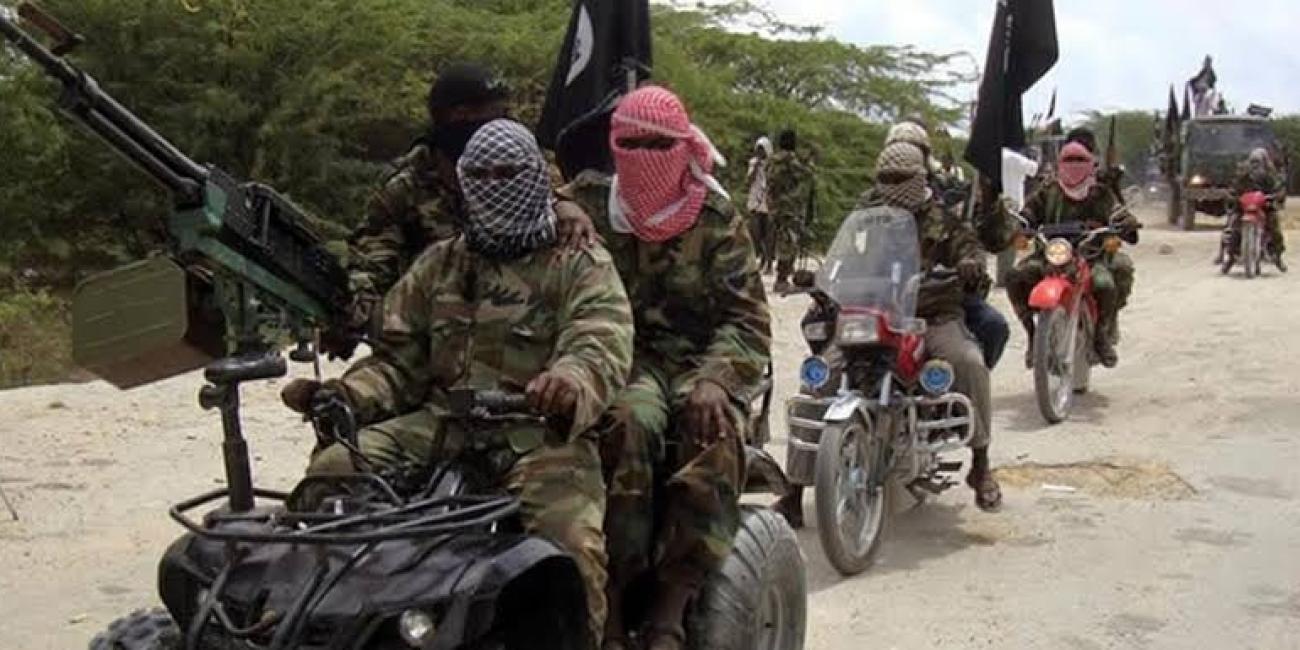
A handwritten letter sent by the Boko Haram faction Jama’atu Ahlis Sunna Lidda’awati wal-Jihad (JAS) to the Sarkin Woro (traditional ruler of Woro community) three weeks before the brutal massacre that claimed over 170 lives has surfaced.

Dated January 8, 2026 (19 Rajab 1447 AH) and written in Hausa, the letter—signed by JAS—requested a “secret” meeting with the traditional ruler or his representative under the guise of peaceful preaching and guidance.
The message, obtained, read in part:

“After greetings and good wishes, this message is from Jama’atu Ahlis Sunna Lidda’awati wal Jihad to the Sarkin Waro. We are requesting a meeting with you personally, or alternatively with your representative.
“We wish to discuss matters with you and remind you, particularly concerning preaching and guidance among your people. This is not a threat or a declaration of war against you or your people.”

The village head, Alhaji Salihu Umar, reportedly photocopied the letter, submitted it to the Kaiama Emirate, and forwarded a digital copy to the Department of State Services (DSS) office in Kaiama.
Residents of Kaiama LGA told SaharaReporters they had repeatedly raised alarms about suspicious armed strangers gathering in nearby forests months before the attack, but claimed no meaningful action was taken by state or local authorities.

“Before these attacks happened, our youths went to the traditional ruler many times to report that strange people were gathering inside the forest close to our villages,” one resident said.
“They also informed the local government council and the state government. Everybody knew, but nobody came to protect us.”

Another source alleged the warnings were escalated but ignored.
“We reported to the state government and to the local government authorities that terrorists were around us. We begged them to deploy security operatives to clear the forests,” the resident added.
“They kept assuring us that something would be done, but nothing happened.”
Survivors and community leaders insist the tragedy was preventable.

“These people were around us for months. We warned the authorities. If they had listened, this massacre would not have happened,” one resident said.
On Tuesday evening, the attackers struck several villages in a coordinated operation, killing men, women, and children, setting houses ablaze, and forcing survivors to flee.
“What happened did not just start overnight,” another survivor stated.

Governor AbdulRahman AbdulRazaq, who visited Kaiama on Wednesday night, confirmed 75 deaths (though residents dispute the figure, insisting it exceeds 100) and described the victims as local Muslims massacred for refusing to adopt what he called a “strange and misguided doctrine.”
He announced the deployment of an army battalion under Operation Savannah Shield to flush out the perpetrators.
The letter and residents’ accounts have intensified scrutiny of security lapses and early-warning failures in the volatile Kwara-Niger border region, where extremist groups continue to exploit remote forests for recruitment and operations.




