

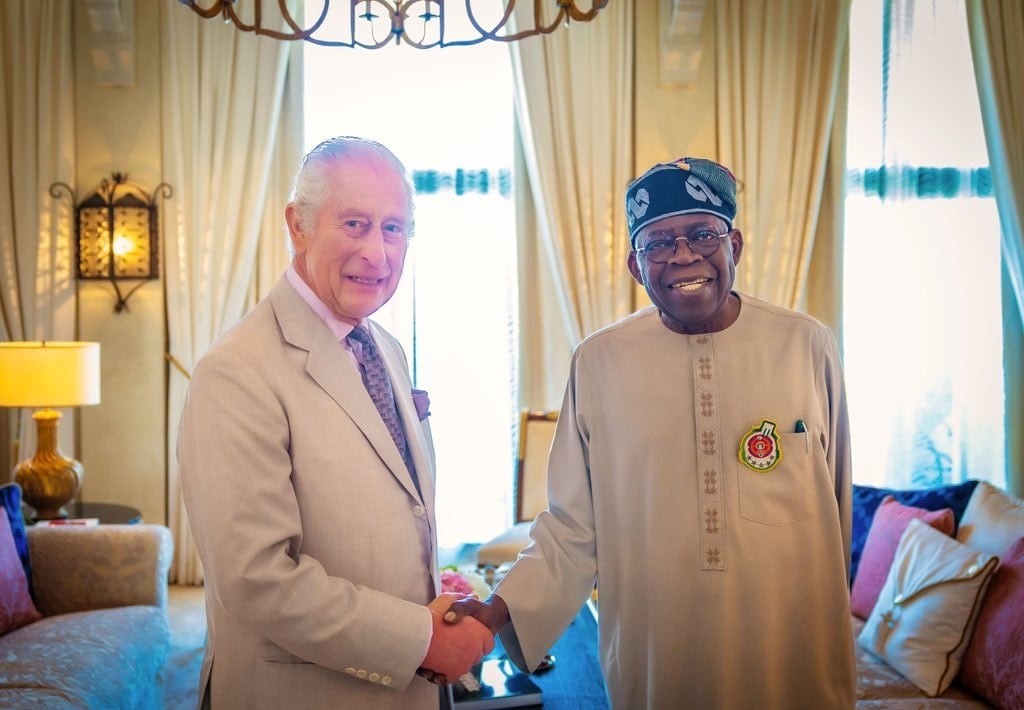
President Bola Ahmed Tinubu’s state visit to the United Kingdom—coming shortly after his high-level engagements in Türkiye—has once again placed Nigeria’s economic diplomacy and global re-engagement strategy in sharp focus.
Far from ceremonial optics, the visit underscores a calibrated foreign policy drive aimed at consolidating trade, security cooperation, energy transition partnerships, and investment inflows critical to Nigeria’s national recovery agenda.
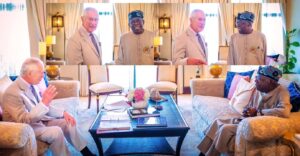
Historically, Nigeria and the United Kingdom share one of the most enduring bilateral relationships in Africa, shaped by colonial legacy but sustained through trade, finance, education, defence cooperation, and diaspora linkages.
Britain remains one of Nigeria’s largest trading partners and one of the top sources of foreign direct investment into the country.
Bilateral trade volumes between both nations have fluctuated between £6–£7 billion annually in recent years, spanning crude exports, manufactured imports, financial services, and technology partnerships.

President Tinubu’s scheduled meeting with King Charles III carries both symbolic and strategic significance. State engagements with the British monarch often serve as diplomatic gateways—reinforcing political goodwill while opening institutional doors across government, finance, and private-sector networks. For Nigeria, such engagements help elevate strategic conversations beyond routine diplomatic channels into sovereign partnership territory.
The visit is expected to deepen collaboration across three priority pillars:
Security Cooperation:
Nigeria continues to engage the UK on counterterrorism training, intelligence sharing, cyber defence, and military capacity development.
Britain has historically supported Nigeria’s security architecture through defence advisory missions, special forces training, and stabilization programmes in conflict-affected regions.
With Nigeria intensifying operations against insurgency and transnational crime, expanded technical cooperation remains pivotal.
Energy & Climate Transition:
As Nigeria pursues gas monetization, renewable energy expansion, and energy infrastructure financing, the UK remains a key institutional partner. British International Investment (BII) and UK Export Finance have backed energy and infrastructure projects across Africa, including Nigeria’s power and clean energy value chains.
Tinubu’s energy diplomacy push aligns with his administration’s objective of leveraging global climate finance and transition funding.
Trade, Finance & Investment:
London remains one of the world’s foremost financial hubs and a gateway for sovereign bonds, infrastructure financing, and private equity flows.
Nigerian banks, fintech firms, and corporates maintain deep institutional relationships within the UK financial ecosystem.
Strengthening these channels is central to attracting capital required for Nigeria’s infrastructure modernization and industrial growth.
The President’s back-to-back international engagements—from Türkiye to the United Kingdom—have drawn criticism from opposition quarters questioning travel frequency.
However, foreign policy analysts argue that such shuttle diplomacy is characteristic of reform-era presidencies seeking accelerated external partnerships.
Strategic state visits often yield defence agreements, trade financing frameworks, technology transfer deals, and investment pledges whose long-term economic value far outweighs the optics of travel schedules.
Tinubu’s Türkiye engagements, for instance, culminated in defence and industrial cooperation frameworks designed to strengthen Nigeria’s counterterrorism capabilities and military self-reliance.

Similarly, the UK visit is positioned within a broader economic recovery strategy—one that recognizes that domestic reforms must be complemented by external capital, technology, and security partnerships.
Diplomacy, particularly at the presidential level, remains one of the most consequential instruments of national development. Investment flows, security assistance, export market access, and infrastructure financing are often negotiated through sustained leader-to-leader engagements rather than bureaucratic correspondence alone.
For Nigeria—Africa’s largest economy and most populous nation—global positioning is inseparable from domestic recovery. Rebuilding investor confidence, attracting manufacturing capital, securing energy transition funding, and strengthening defence collaboration require persistent international outreach.
President Tinubu’s UK state visit therefore reflects not travel for ceremony, but diplomacy for economic leverage. At a time when Nigeria is recalibrating its fiscal architecture and pursuing large-scale infrastructure expansion, strategic partnerships with long-standing allies like Britain remain indispensable.

As engagements unfold—including the high-profile audience with King Charles III—policy watchers will be assessing not just symbolism, but deliverables: investment pipelines, security frameworks, trade facilitation measures, and institutional partnerships capable of translating diplomacy into tangible national benefit.
In an era where economic recovery is increasingly tied to global integration, Tinubu’s diplomatic outreach signals an administration intent on positioning Nigeria not in isolation, but at the centre of strategic international collaboration.
The National Patriots Movement urges Nigerians to view President Tinubu’s frequent international engagements as strategic diplomacy essential to Nigeria’s recovery, not mere travel.
In today’s globalized economy, investment, security cooperation, and economic stabilization depend on sustained leader-level networking.
The group notes that each visit is producing tangible outcomes and echoes global policy advice encouraging aggressive investor outreach, calling on citizens to trust the President’s discretion in pursuing alliances that advance national prosperity.

Dr. G. Fraser. MFR

The National Patriots.



