

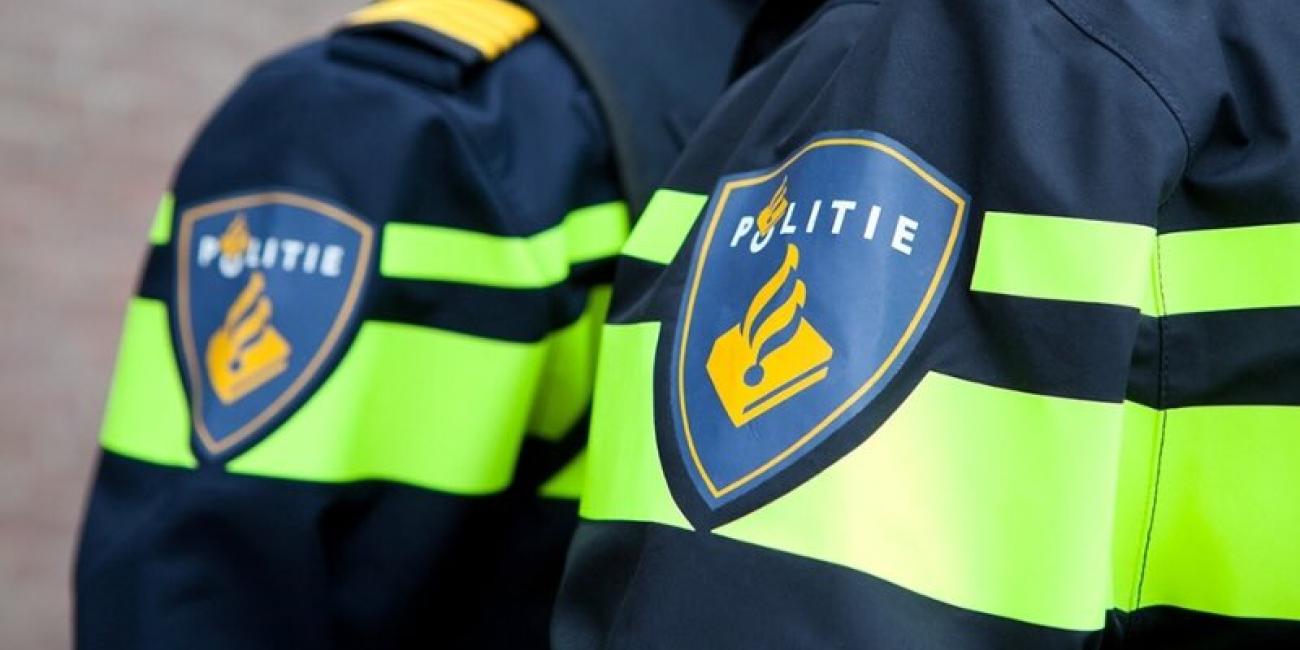
Dutch authorities have arrested 15 individuals in coordinated raids across the Netherlands for allegedly disseminating Islamic State (ISIS) propaganda on TikTok and attempting to incite others to carry out terrorist attacks.
The suspects, aged between 16 and 53, were detained on Tuesday following an investigation sparked by a TikTok account that posted large volumes of ISIS-related content with Dutch-language subtitles. Some videos reportedly garnered over 100,000 views.

Dutch prosecutors confirmed the arrests targeted individuals suspected of spreading extremist propaganda and recruiting for terrorist purposes. Reuters reported that 13 of the suspects are Syrian nationals, while four hold Dutch citizenship, suggesting possible dual nationality in some cases.

The operation highlights ongoing European efforts to curb online radicalization and ISIS influence on social media, even as military actions against the group continue in Syria. Last week, the United States Central Command (CENTCOM) conducted five airstrikes on multiple ISIS positions to degrade the terrorist network’s capabilities.

In stark contrast, the report notes that terrorist groups in Nigeria continue to exploit platforms like TikTok with apparent impunity.
A notable example occurred in August 2024, when a viral TikTok video featured a terrorist linked to notorious bandit leader Mohammed Bello Turji Kachalla openly appealing to Nigerians. In the clip, the speaker praised protesters who had reportedly described Turji as a “hero” during nationwide demonstrations against economic hardship, then urged viewers to share their bank account details as a form of “appreciation.”

The message stated: “May the peace and blessings be with you all Nigerians. Protesters, we heard you guys are praising Mohammed Bello Turji. We are grateful, we are grateful to you, may you achieve success. Bello Turji is greeting. Send your account details; Bello Turji wants to do something for you people.”

The incident underscored concerns over the lack of effective moderation or enforcement against terrorist content on social media in Nigeria, where groups such as Boko Haram, ISWAP, and bandit factions have increasingly used platforms for propaganda, recruitment, and public messaging without facing swift repercussions.
The Dutch arrests serve as a reminder of proactive measures taken in other jurisdictions to counter online extremism, while raising questions about the differing approaches to terrorist exploitation of social media in regions like West Africa.




