

A group of electoral reform advocates, legal practitioners and technology experts has cautioned that the proposed amendment to Clause 60(3) of Nigeria’s Electoral Act could weaken recent improvements in election transparency if it is not properly reviewed.

The group expressed support for the position adopted by the House of Representatives, describing it as a lesser risk compared to the Senate’s version of the amendment. Their position was made known at an Expert Round Table held in Abuja and organised by ActionAid Nigeria, YIAGA Africa and the Movement for the Transformation of Nigeria.

The forum brought together academics, civil society leaders, lawyers, engineers, election administrators and governance experts to assess the implications of the National Assembly’s proposed changes to Clause 60(3) of the Electoral Act 2022, which focuses on the transmission of election results.
Discussions centred on electronic transmission of results, a provision already recognised in the existing law. Participants raised concerns over the Senate’s amendment, which validates manually signed polling unit results where electronic transmission fails. They warned that such a provision could reintroduce vulnerabilities that previously undermined Nigeria’s electoral credibility.

Experts at the meeting emphasised that credible elections are essential to democratic legitimacy and political stability, noting that Nigeria’s democratic journey has often been marred by allegations of manipulation, flawed collation processes and lengthy post-election court cases. They stressed that improving transparency in result transmission is key to restoring public trust.
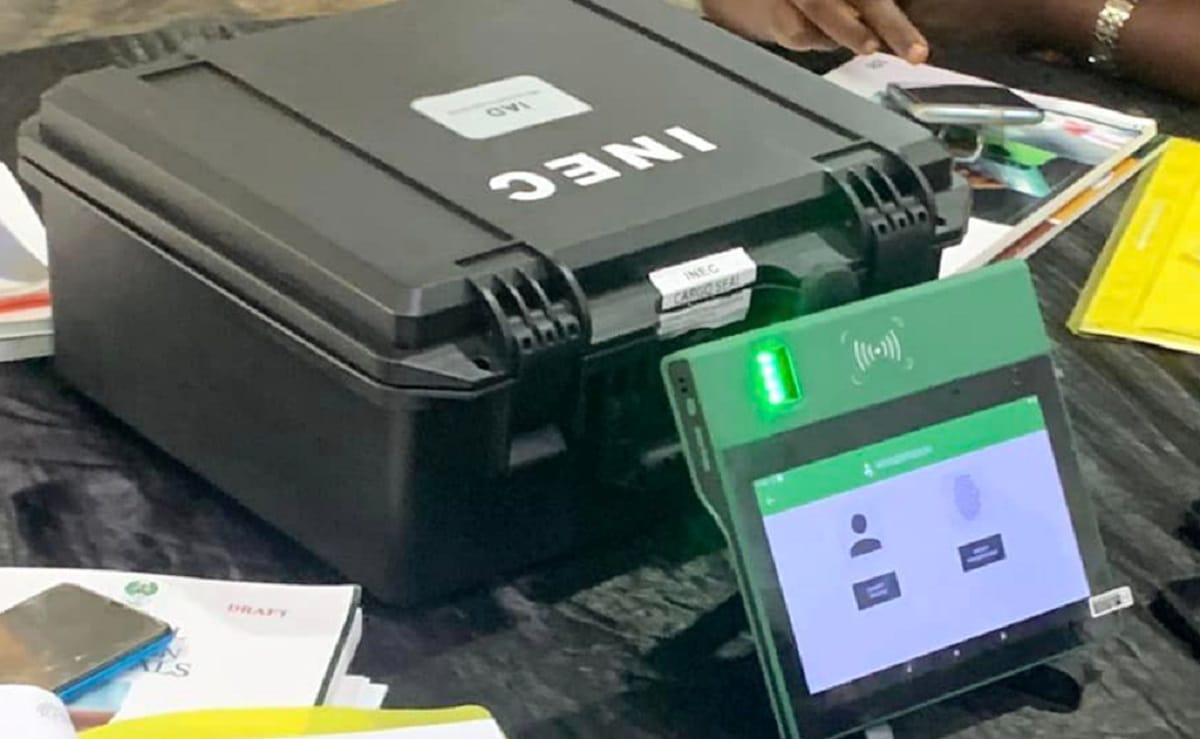
The role of the Bimodal Voter Accreditation System (BVAS) and the INEC Result Viewing Portal (IReV) featured prominently in the discussions, with participants describing electronic transmission as a critical safeguard against manipulation at polling unit and collation levels.

Technical specialists argued that electronic transmission is largely achievable nationwide, citing data indicating about 98 per cent network coverage across polling units. They recommended focused investment to address the remaining connectivity gaps rather than relying on manual processes that could compromise transparency.
Concerns were also raised about legal uncertainties in the Senate’s version of the amendment, including the absence of clear provisions mandating electronic transmission through BVAS and defined procedures for handling technical failures. Participants warned that such ambiguities could create loopholes and lead to conflicting interpretations between manual and electronically transmitted results.

The experts further highlighted that many INEC operational guidelines are contained in subsidiary regulations rather than the Electoral Act itself, potentially weakening their legal standing during election disputes. They warned that unclear laws could increase election petitions and deepen the growing trend of resolving electoral outcomes through the courts instead of the ballot box.
Beyond the amendment, the forum identified broader challenges to electoral integrity, including perceived executive influence in INEC appointments, vote buying, weak enforcement of electoral offences and political interference. Participants called for comprehensive reforms to strengthen the independence and technical capacity of the electoral commission.

In their resolutions, the experts agreed that electronic transmission should be clearly established in law as the primary and legally binding method for transmitting election results. They endorsed the House of Representatives’ version of the amendment, while recommending further refinements for clarity. They also urged lawmakers to embed key INEC regulations into the Electoral Act, reform election dispute procedures for faster resolution, and invest in election technology.
Looking ahead, the participants advocated a long-term reform agenda that could include electronic voting, drawing from global best practices. They also called on the National Assembly to hold a public hearing on technical challenges observed during the 2023 general elections to improve accountability and prevent future occurrences.
The meeting concluded that Nigeria’s democratic future depends on reforms that strengthen — rather than weaken — mechanisms designed to reflect the true will of the electorate.




