

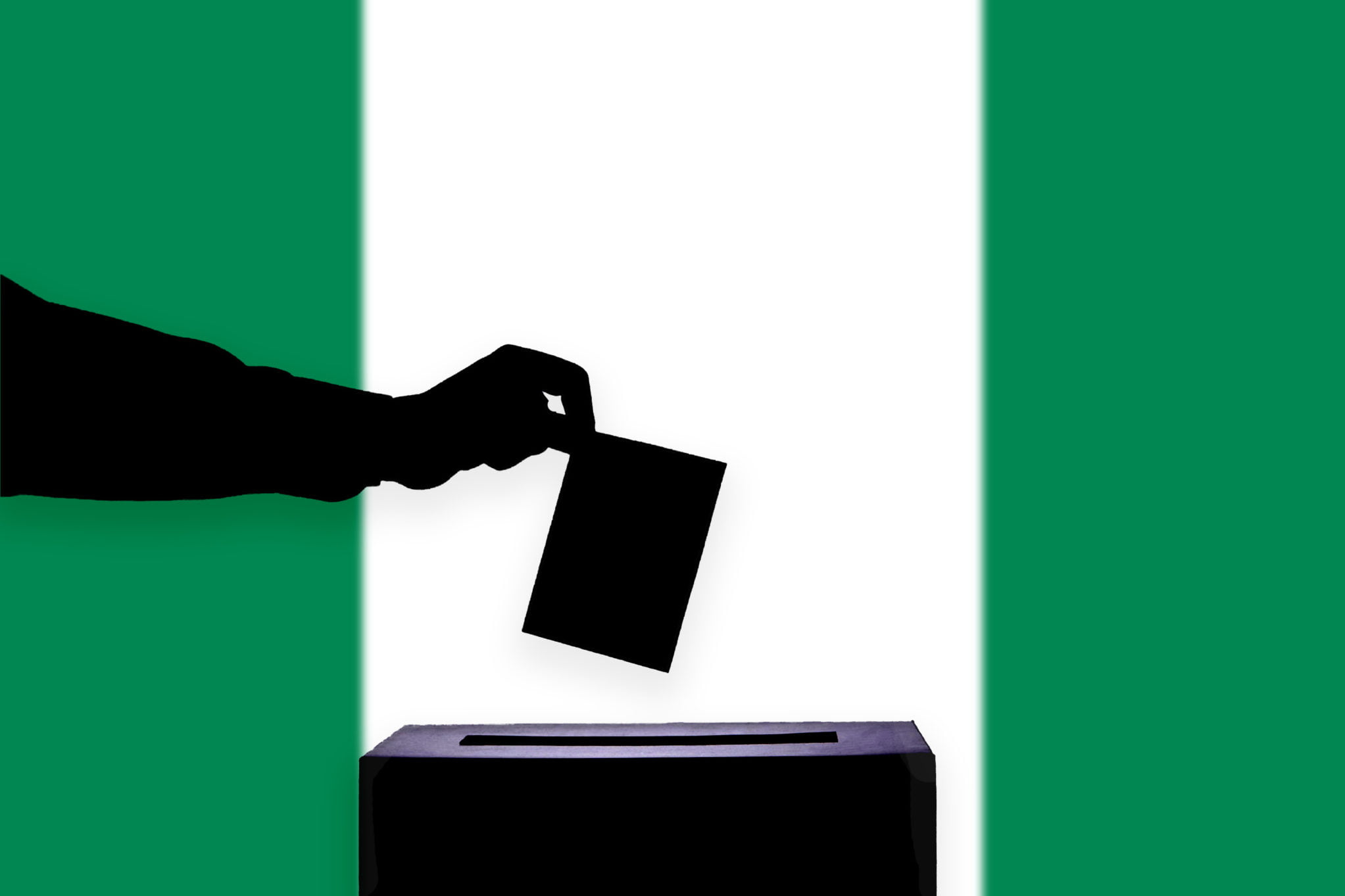
The scheduling of Nigeria’s 2027 presidential and National Assembly elections on February 20 has raised concerns among religious stakeholders, as the date coincides with the Christian observance of Lent and the Islamic holy month of Ramadan.

Daniel Atori, media aide to the Niger State Chairman of the Christian Association of Nigeria (CAN), stated that Lent has historically not prevented Christians from voting. He pointed out that elections have previously fallen during the fasting period, citing examples from 1999, 2019, and 2023, where Christians participated fully despite Lent. Atori urged the Independent National Electoral Commission (INEC) to adhere to constitutional provisions rather than religious considerations.

Islamic cleric Ibrahim El Mu’azzam of Kaduna acknowledged that holding elections during Ramadan is not religiously prohibited. However, he noted that fasting from dawn to sunset could affect the physical stamina and engagement of Muslim voters. He encouraged Muslims to participate in elections while recommending consultation with Islamic bodies to promote inclusivity.

A legal perspective from Barrister Usman Yau of Jigawa State emphasized that religion is not a legal ground for shifting election dates. Under the Electoral Act 2022, INEC has the constitutional authority to set elections and is not required to adjust dates based on religious observances. Section 28 of the Act allows elections to be postponed only under specific circumstances such as natural disasters, violence, or emergencies, not religious reasons.

Despite the legal position, some citizens, like Kano resident Zulaihat Danjuma, argued that holding elections during Ramadan could disenfranchise Muslim voters and election officials who will be fasting. She called for greater stakeholder engagement to ensure inclusiveness and prevent unnecessary strain on participants.

INEC has set February 20, 2027, for the presidential and National Assembly polls, with governorship and State House of Assembly elections slated for March 6. The commission stated that it remains sensitive to concerns about participation and is consulting relevant stakeholders. Any adjustments would remain within constitutional and legal limits, while ensuring transparency, inclusivity, and credibility in the electoral process.




