

Nigeria’s preparations for the 2027 general elections have taken a dramatic turn after the National Assembly approved amendments to the Electoral Act that retain manual transmission of results as a fallback where electronic systems fail, despite strong resistance from opposition lawmakers and civil society groups.

Both chambers of the legislature reversed earlier positions and passed the Electoral Act (Amendment) Bill, 2026, following heated debates, procedural disputes, and stormy plenary sessions. The most contentious provision centres on Section 60(3), which allows the use of manual result forms when electronic transmission is disrupted by network or technical challenges.

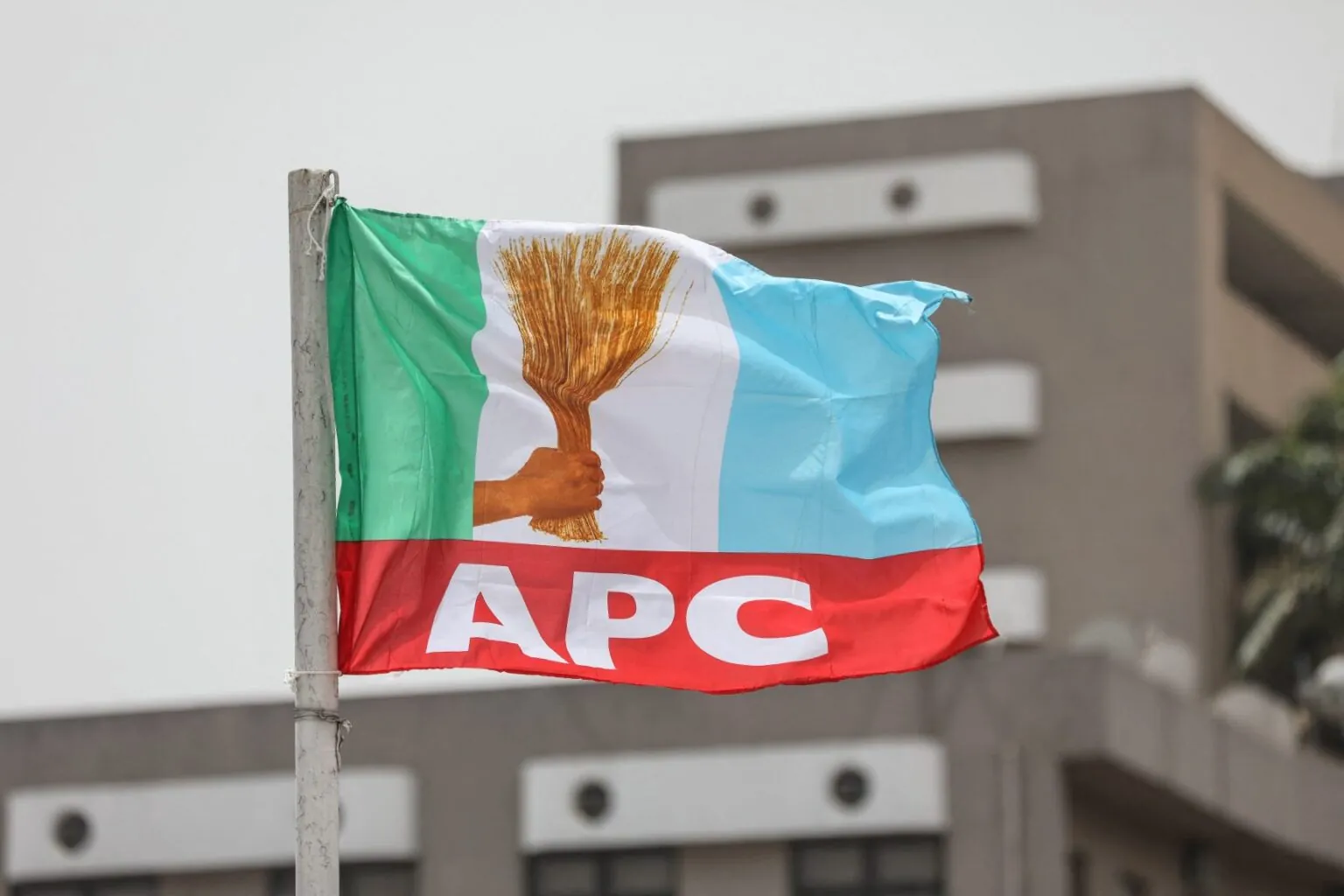
Lawmakers of the ruling party relied on their numerical strength to ensure the clause remained, arguing that it provides a safeguard against logistical failures. Critics, however, warned that the provision could weaken transparency and reopen avenues for manipulation during result collation.

The debates triggered protests by civil society organisations, who demanded mandatory real-time electronic transmission of results from polling units. Demonstrators insisted that electronic transmission is essential to credible elections and vowed to challenge the law in court if their concerns are ignored.
The Senate and House also amended key timelines, reducing the notice period for elections from 360 to 300 days, and adjusted rules governing party primaries by limiting nominations to direct primaries or consensus arrangements. Lawmakers said the changes were necessary to give the electoral commission flexibility, especially amid concerns that proposed election dates may clash with major religious observances.

Tensions escalated further following reports of teargas being used on protesters at the National Assembly complex, prompting lawmakers to announce an investigation into the incident and reaffirm citizens’ constitutional right to peaceful protest.
As the bill moves closer to presidential assent, the amendments have deepened political divisions and heightened anxiety over the integrity of the 2027 polls. With legal challenges looming and public trust at stake, the reforms have placed Nigeria’s electoral process under intense national scrutiny.




