

The Lagos State Ministry of Health has digitised 514 private health facilities and introduced community-based molecular tuberculosis (TB) diagnostics as part of intensified efforts to improve disease surveillance, close diagnostic gaps, and accelerate progress toward malaria elimination and TB control.

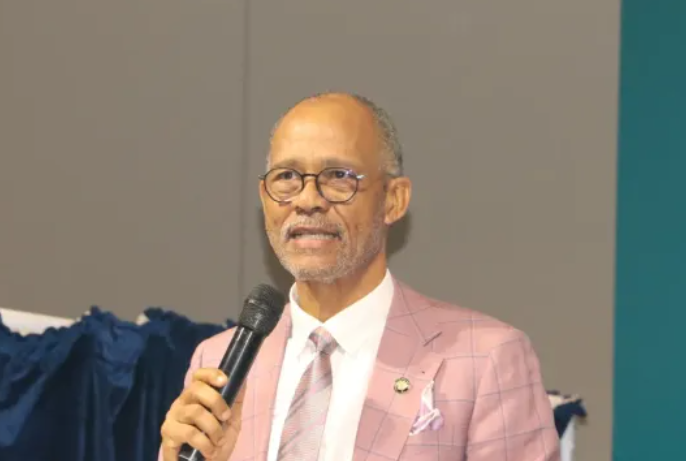
Commissioner for Health, Prof. Akin Abayomi, announced the initiatives during a health summit held in Ikeja on Wednesday, February 18, 2026.
He revealed that malaria test positivity in Lagos has stabilised at approximately 5%, confirming the state’s status as a low-transmission area. However, more than 66% of TB cases remain undetected each year, sustaining transmission within communities.
Abayomi disclosed that over 77,000 fever cases were tested across more than 500 facilities in 2025 using rapid diagnostic test kits. The results showed that about 95% of fever cases in Lagos were not malaria-related.

Following strict enforcement of mandatory testing before treatment, malaria positivity fell below 1% in March 2025 and has since fluctuated between 4% and 5% during peak transmission periods.
To strengthen surveillance, the state expanded digital integration into the private sector—where over 60% of residents seek care—by converting community pharmacies and Patent Medicine Vendors into digitally connected reporting centres. This move enabled more than 80,000 diagnostic tests to be captured and tracked within the state’s health management system.

On tuberculosis, Abayomi noted that Lagos accounts for roughly 9% of Nigeria’s national TB burden. In the second quarter of 2025, only 3,565 out of an estimated 6,038 cases were detected, leaving thousands of infectious cases undiagnosed.
To bridge this gap, the state has begun deploying the PlusLife MiniDock—a portable molecular diagnostic platform—across its network of digitised private providers. The technology decentralises TB testing, enabling faster and more accurate detection directly at community level.

Governor Babajide Sanwo-Olu, represented by Secretary to the State Government Abimbola Salu-Hundeyin, reaffirmed the administration’s commitment to prioritising disease surveillance, early testing, and innovative diagnostics for malaria and tuberculosis.
Health officials stated that the malaria digitisation programme has been fully integrated into the Lagos State Health Management Agency system to ensure sustainability and secure long-term funding. Broader reforms include expanding health infrastructure, strengthening digital health information systems, and increasing insurance coverage.

The summit also launched a statewide TB diagnostic scale-up campaign tagged “End TB Now,” aimed at boosting early detection, treatment coverage, and overall case notification rates.
Officials acknowledged ongoing challenges, including the difficulty of identifying undiagnosed TB cases and maintaining comprehensive surveillance coverage, but emphasised that Lagos is steadily transitioning from malaria control toward elimination and from facility-based to decentralised, technology-enabled TB diagnosis.




