

Opposition parties and civil society organisations have criticised President Bola Tinubu’s assent to the Electoral Act 2026 (Amendment), arguing that it threatens Nigeria’s democratic process and could facilitate electoral manipulation ahead of the 2027 general elections.

The Peoples Democratic Party (PDP) described the swift approval of the legislation as a politically motivated move by the ruling All Progressives Congress (APC), aimed at securing an advantage in the upcoming elections. PDP officials said the hurried assent undermines the will of Nigerians and represents a setback for democracy.

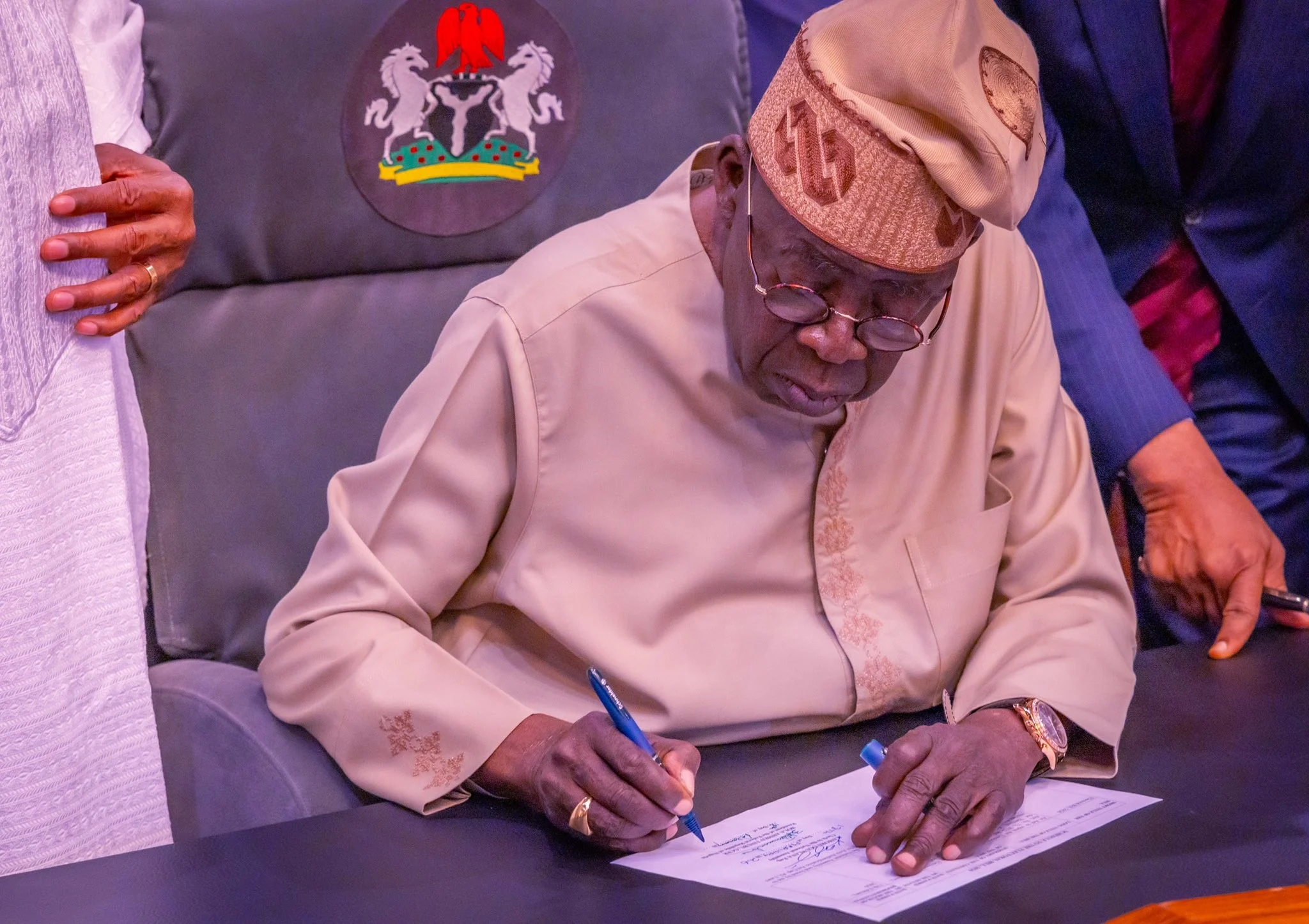
President Tinubu signed the bill into law on Wednesday at the Presidential Villa, Abuja, with senior National Assembly officials present, barely a day after the bill was passed by both chambers. During the ceremony, the President highlighted concerns about Nigeria’s broadband infrastructure and the country’s capacity to manage real-time electronic transmission of election results. He emphasised that election credibility depends not only on technology but also on proper human oversight and management.
Civil society groups, including YIAGA Africa and Accountability Lab, expressed concerns that the amendment fails to strengthen electoral transparency and may even legalise potential manipulation. Some, however, noted that the law provides a framework for gradual improvements in electoral processes.

The Labour Party and the Coalition of United Political Parties (CUPP) also criticised the President and National Assembly for allowing manual transmission of results alongside electronic transmission, claiming the amendment ignores citizens’ demands for mandatory real-time electronic reporting. Both groups pledged to mobilise Nigerians to defend the integrity of future elections.

Senate President Godswill Akpabio defended the law, explaining that it mandates electronic transmission of polling unit results to the INEC Result Viewing Portal while also accounting for areas with limited network coverage. He said the law ensures that results can be verified at polling units, ward centres, and local government levels, preventing post-poll manipulation. The amendment also introduces direct primaries for political parties and mandates fresh elections if a candidate is disqualified, enhancing participatory democracy and fairness.

The Speaker of the House of Representatives, Abbas Tajudeen, highlighted that the amendment reduces the election notice period from 360 to 300 days, allowing presidential and National Assembly elections to be held before Ramadan in 2027, which is expected to improve voter turnout.

Meanwhile, the Minister of the Federal Capital Territory, Nyesom Wike, praised President Tinubu for promptly signing the bill into law, calling it a commitment to strengthening Nigeria’s democratic process and reducing unnecessary protests related to electoral disputes.
The 2027 general elections are scheduled for February 20 for the presidential and National Assembly polls, and March 6 for governorship and state assembly elections.




