

The Federal Government is facing criticism as foreign exchange outflow for medical travel by Nigerians hit $549.29 million in the first nine months of 2025, marking a 17.96% increase from $465.67 million in the same period of 2024. Analysts and healthcare experts faulted the government for failing to curb medical tourism despite repeated promises to improve domestic healthcare infrastructure.

The outflow represents personal foreign exchange allowances obtained from the Central Bank of Nigeria (CBN) for medical treatment abroad. While the CBN monitors the FX disbursement, it does not track how the funds are used.

CBN data for Q3 2025 shows a steady rise in health-related travel costs: $151.53 million in Q1, $189.41 million in Q2, and $208.35 million in Q3, totaling $549.29 million. In the same period of 2024, the figures were $142.95 million, $153.67 million, and $169.04 million, respectively.
The increase highlights a persistent demand for overseas medical care, particularly for specialised treatments such as cardiovascular procedures. Experts attribute this trend to declining trust in local facilities and systemic disruptions, prompting Nigerians with financial means to seek healthcare abroad.

High-profile cases have brought attention to local healthcare shortcomings. Author Chimamanda Ngozi Adichie, for instance, alleged medical negligence following the death of her 21-month-old son in a Lagos hospital while preparing for treatment in the United States.
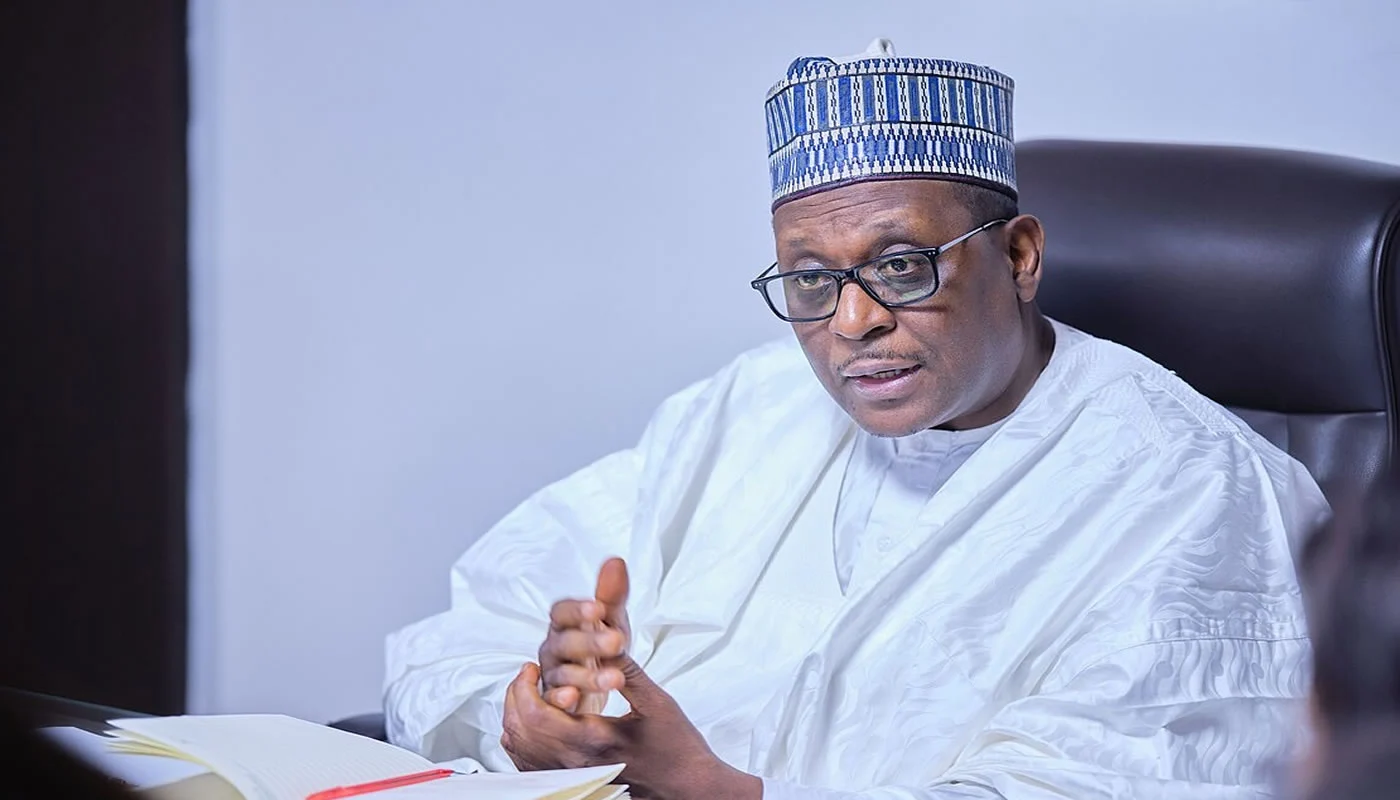
Despite repeated government pledges, progress has been limited. In August 2023, the Coordinating Minister of Health and Social Welfare, Prof. Muhammad Pate, vowed to prioritise health security and reduce outbound medical travel. In April 2025, he noted Nigeria loses about $2 billion annually to medical tourism and emphasised the need to strengthen local health systems.

Former President of the Pharmaceutical Society of Nigeria, Olumide Akintayo, blamed worsening conditions in local hospitals, citing inefficiencies, corruption, and prolonged strikes. “The health system has only deteriorated. Strikes, even by ward staff or ambulance drivers, disrupt surgeries, drug supply, and diagnostics,” he said. Akintayo also pointed to shortages of critical drugs such as cardiovascular, anti-diabetic, anti-cancer, and anti-malarial medicines, forcing patients to seek care abroad.

The rising FX outflow further strains Nigeria’s external reserves and naira stability. Nigerian Medical Association (NMA) President Prof. Bala Audu noted that most Nigerians seeking FX likely require treatment for chronic and advanced diseases, including cancers. He highlighted gaps in hospital equipment and infrastructure, despite having skilled local doctors. “We may have competent personnel, but equipment and reagents are lacking, forcing tests abroad,” he said, linking the issue to poor funding—only N36 million was released from a N218 billion 2025 health capital budget.

Former NMA President Prof. Mike Ogirima warned that medical tourism depletes foreign reserves and undermines cross-border economic transactions. He cited poorly equipped public hospitals and the “Japa” syndrome, where affluent Nigerians prefer treatment abroad due to better facilities, as key drivers of the trend.




