

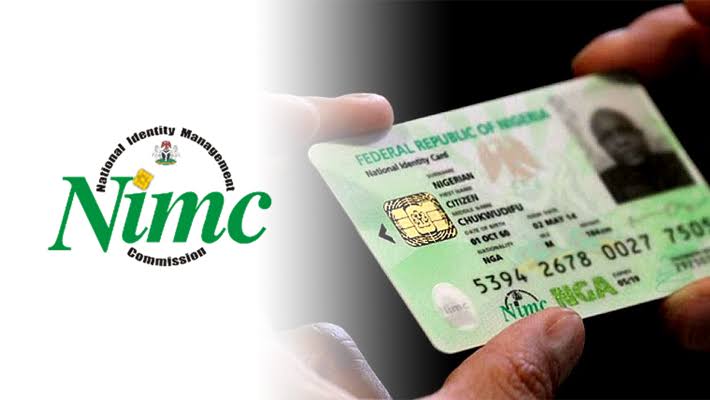
In 2024, Aliyu Abu, a resident of Niger State, visited the Lapai local government secretariat to correct a date of birth error on his National Identification Number (NIN), expecting a routine update. He paid N10,000 for the process, but instead of a quick fix, his NIN was suspended indefinitely, exposing weaknesses in the system designed to prevent identity fraud.

With the NYSC registration deadline approaching, Aliyu turned to an accredited agent in Minna’s Barkin Sale area. Despite already having been registered in 2011, he was issued a new NIN for N3,000, and the system did not flag the duplicate. His new NIN became active within 24 hours, allowing him to complete his NYSC registration.
Aliyu’s case highlights procedural gaps that, combined with unofficial payments, make it possible for individuals to obtain multiple NINs. In some areas of Abuja and Niger State, reports indicate that several people have acquired duplicate NINs through corrupt practices at certain enrolment centres.

To reconcile his new NIN with his old one, Aliyu had to go through newspaper publication, court affidavits, and adjustments with his Bank Verification Number (BVN) and banking records. Despite growing NIMC budgets—from N24.1 billion in 2023 to N40.8 billion in 2025—and funding from the World Bank for digital identification projects, vulnerabilities persist.
The issue is compounded by the SIM-NIN linkage initiative introduced in 2020, intended to enhance security by linking mobile phones to verified identities. Poor monitoring and the ability to hold multiple SIMs have allowed some individuals to exploit the system for fraudulent purposes. Investigations revealed cases where single NINs were used to register dozens of mobile lines, with verification procedures easily bypassed.

Iya Zaliya’s experience further underscores the problem. In 2024, she attempted to verify her NIN for JAMB registration but repeatedly faced system rejections. Eventually, she was guided to enroll for a new NIN through an agent, paying N7,000. Biometric fingerprint requirements were circumvented using underage children, enabling her to complete the verification process.
These incidents expose serious risks to personal data and national security. The Nigeria Data Protection Commission (NDPC) reported a surge in data breaches, rising from 209,000 cases in 2023 to 4.3 million in 2024, including unauthorized access to personal information and identity impersonation.

Legal provisions under the ICPC Act and Code of Conduct Bureau make possession of multiple NINs or falsified identity cards a punishable offense. Offenders, including staff or agents involved in fraudulent enrolments, can face imprisonment and fines. Despite these laws, dual registrations continue, raising concerns about NIMC’s enforcement and the integrity of Nigeria’s identity database.

Experts warn that the proliferation of multiple or fake NINs undermines national security, electoral integrity, and Nigeria’s global credibility. Civil society and digital rights advocates have called for stronger access controls, better staff training, and stricter audits to prevent abuse.

The NIMC has acknowledged that some roadside enrolment centres facilitate double registrations and pledged investigations once supporting evidence is submitted. The commission reiterated that double registration is illegal and urged the public to report suspicious activities.




