

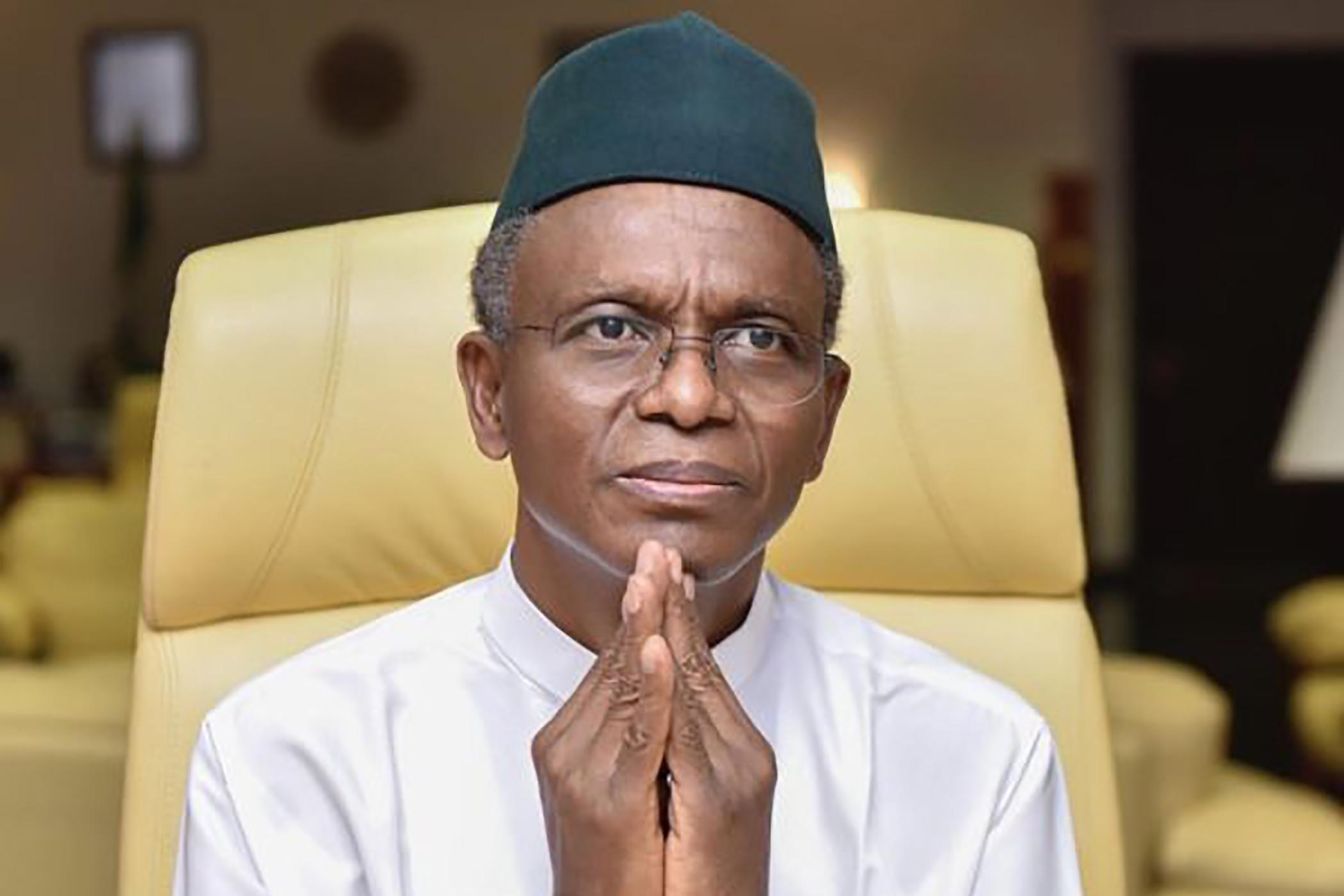
The family of former Kaduna State Governor Nasir el-Rufai has disputed claims by the Independent Corrupt Practices and Other Related Offences Commission (ICPC) that wiretapping devices and secret documents were recovered from his Abuja residence.

Hadiza Isma, el-Rufai’s wife, stated on X that no such equipment was found and called the ICPC’s claims false, questioning the credibility of the agency. The family emphasized that el-Rufai is entitled to exercise his constitutional right to silence and non-cooperation until any prosecution is brought before a competent court.

In a statement issued by their son, Muhammed Bello el-Rufai, the family described the ICPC’s allegations as a “circus of chicanery” aimed at media posturing rather than following the rule of law. They argued that ICPC mischaracterized el-Rufai’s silence as non-cooperation, pointing out that the Constitution guarantees every citizen the right to remain silent without implying guilt.

ICPC had claimed that devices capable of intercepting communications and accessing classified materials were recovered from el-Rufai’s home. The family, however, labeled these allegations politically motivated and misleading, adding that the published list of seized equipment was “a work of fiction.”
Meanwhile, ICPC informed the Federal Capital Territory High Court, Abuja, that el-Rufai was being detained to conclude an investigation into alleged corruption during his tenure from 2015 to 2023. El-Rufai has filed a suit challenging his arrest and detention, seeking N1 billion in damages and asserting that his fundamental rights were violated.

The commission said the investigation arose from a petition alleging financial misconduct involving loans, procurement, and payments to individuals and companies during el-Rufai’s administration. Preliminary investigations included obtaining documents from banks and government institutions. An invitation to el-Rufai was eventually served on February 12, 2026, after his return from abroad.




