

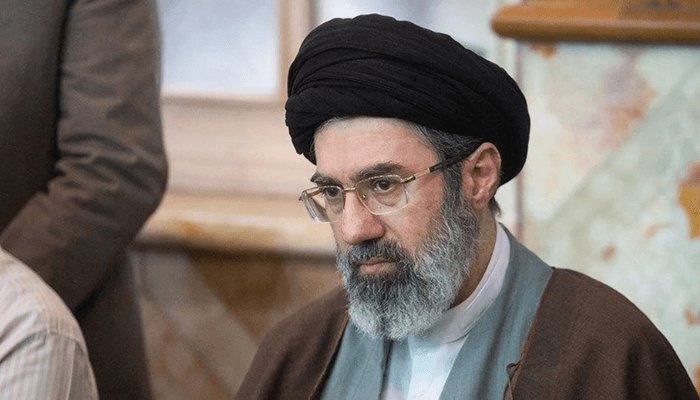
Mojtaba Khamenei, long regarded as a quiet and largely unseen figure within Iran’s political system, has now emerged into the spotlight after being appointed the country’s new supreme leader. For years, the second son of Ali Khamenei maintained a low public profile, rarely appearing at public events, avoiding political office, and staying away from interviews or speeches. Despite this, many within the Islamic Republic believed he held significant influence behind the scenes.


His elevation to leadership follows the killing of his father during joint military strikes by the United States and Israel at the start of the ongoing conflict. The powerful Assembly of Experts announced that the 56-year-old cleric had been chosen through what it described as a decisive vote.

In a statement released by state media, the body called on citizens to support the new leader and maintain unity during the difficult period facing the country. The message also encouraged intellectuals, religious scholars and the broader public to pledge their loyalty.
Born on September 8, 1969, in the northeastern city of Mashhad, Mojtaba Khamenei is the second of six children in one of Iran’s most influential families. He received his early education at Tehran’s Alavi School and, as a teenager, briefly served during the Iran–Iraq War, a conflict that deeply shaped the worldview of Iran’s ruling elite.
He later moved to the religious center of Qom to pursue advanced Islamic studies. Unlike many clerics, he entered seminary relatively late, beginning his formal training around the age of 30. He currently holds the clerical rank of hojatoleslam, though some pro-establishment media outlets have started referring to him as ayatollah in what observers believe is an effort to strengthen his religious authority.

Although he never held public office, his name has repeatedly surfaced in Iranian political debates. His influence was widely discussed during the 2005 presidential election that brought Mahmoud Ahmadinejad to power. Reformist politician Mehdi Karroubi later accused him of playing a role in the election through networks linked to the Islamic Revolutionary Guard Corps and the Basij militia.
Similar allegations emerged during the disputed 2009 vote that sparked widespread protests known as the Green Movement protests. Diplomatic cables later published by WikiLeaks described him as “the power behind the robes,” suggesting that many insiders viewed him as a strong and capable figure within the system.

His rise to power also comes with personal tragedy. Reports indicate that the strike which killed his father also claimed the lives of his mother, his wife and one of his sisters. Mojtaba Khamenei was not present during the attack.
Now assuming leadership, he faces significant challenges. Iran is under heavy military pressure, its economy has been weakened by sanctions and conflict, and public dissatisfaction has grown in recent years.

His appointment has also revived debate within the country, with critics warning that leadership passing from father to son risks giving the Islamic Republic the appearance of a hereditary system. Nevertheless, key figures within the security and political establishment have already voiced their support. Among them is parliament speaker Mohammad Bagher Ghalibaf, along with senior commanders of the Revolutionary Guard.
As Iran navigates war, economic hardship and internal divisions, the new supreme leader now faces the task of proving he can guide the country through one of the most critical moments in its modern history.



