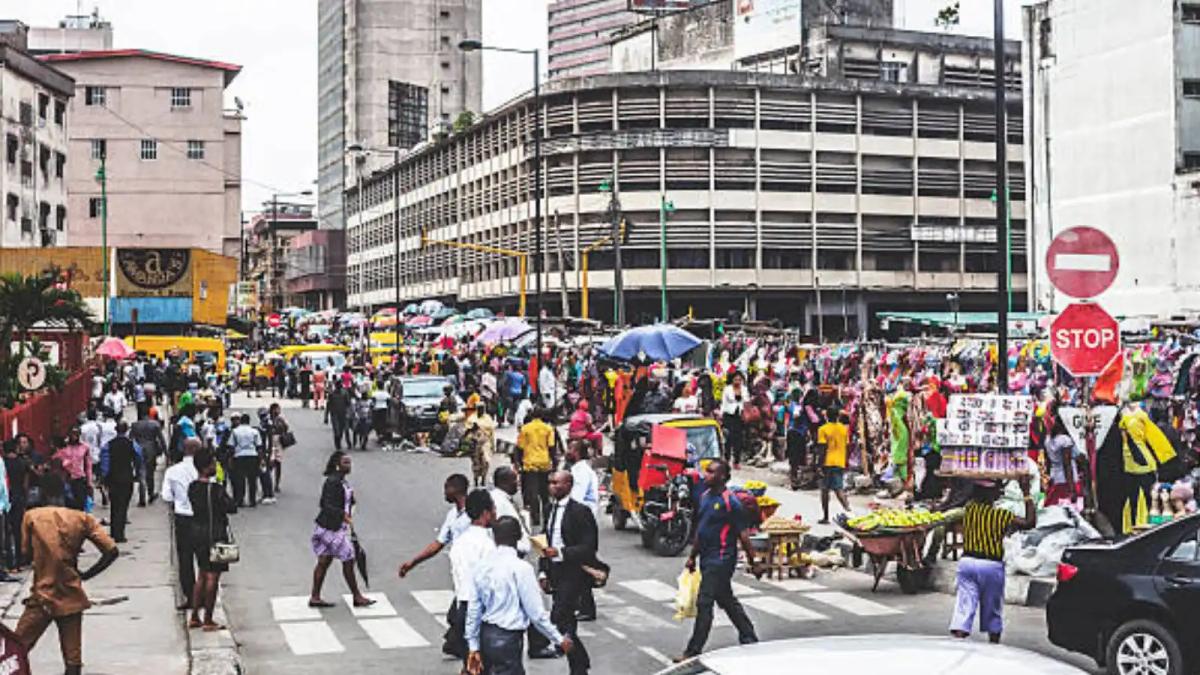
A new report by Piggyvest has revealed that a large number of Nigerians are struggling financially, with about three in five people earning less than ₦100,000 monthly or having no income at all.
The 2025 savings report paints a tough picture of everyday life, showing that nearly 60 percent of Nigerians fall within the lowest income bracket. Even more concerning, only about 6 percent say they feel financially secure, highlighting the gap between economic reforms on paper and the reality on the ground.
According to the report, while the economy may appear to be stabilising, many Nigerians are still feeling the pressure. Rising incomes have not translated into better living standards, as inflation continues to eat into earnings. Simply put, people may be earning more, but they can afford less.

Odun Eweniyi, co-founder and COO of Piggyvest, explained that the naira’s decline in value over the past two years has played a major role. With inflation peaking above 33 percent in 2024, the increase in wages has not kept up with the rising cost of living.
The report also highlights inequality in earnings. Younger Nigerians, especially Gen Z, are more likely to earn below ₦100,000 or remain unemployed, while higher-paying opportunities are mostly concentrated among older individuals. Women are also disproportionately affected, with many falling into lower income categories.
Another key issue is income stability. Most Nigerians rely on a single source of income, making them vulnerable to sudden financial shocks. About two-thirds of households depend on just one stream of earnings, leaving little room to cope with unexpected expenses.

Spending patterns show that basic needs take up most of people’s income. Food and groceries top the list, followed by transportation, housing, and utilities. Many also support extended family members, a responsibility often referred to as “black tax,” which further stretches limited resources.
Savings have also taken a hit. Around half of Nigerians are not saving at all, and only about 40 percent have any form of emergency fund. For many, the reality is that money meant for savings is now being used to cover essential daily expenses.
Overall, the report shows a population that is adapting and trying to cope, but under increasing financial pressure, with fewer safety nets and growing uncertainty about the future.