

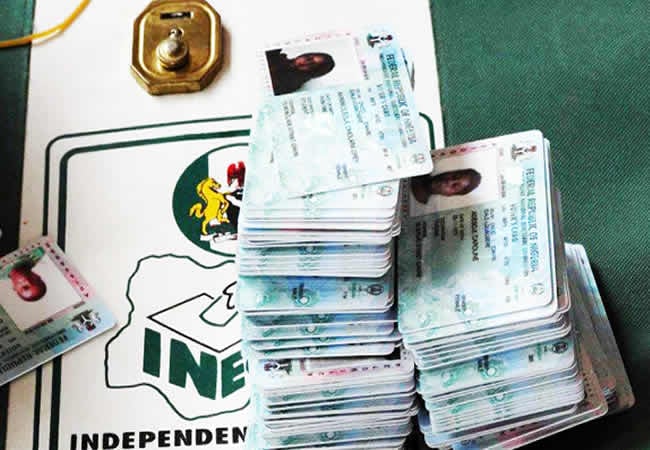
Political parties and civil society groups have raised serious concerns over the proposed voter revalidation exercise by the Independent National Electoral Commission, warning that it could disenfranchise many Nigerians and further weaken trust in the electoral system.
The African Democratic Congress, the Peoples Democratic Party, and the Obidient movement all questioned both the timing and practicality of the exercise. They argue that many Nigerians—especially those in rural communities—may struggle with access, awareness, and the technical requirements involved.
ADC spokesperson Bolaji Abdullahi pointed out that even basic voter registration has remained difficult in remote areas, raising doubts about how revalidation would be successfully carried out nationwide.

Similarly, PDP Publicity Secretary Ini Ememobong criticised the timing, suggesting the commission should instead focus on improving election logistics. The Obidient movement’s National Coordinator, Yunusa Tanko, warned that the exercise could deepen public distrust, especially given the already low voter turnout in previous elections.
The electoral body had earlier announced plans to conduct the exercise between April and May 2026, aimed at cleaning up the voter register by removing invalid entries such as deceased persons, underage registrants, and duplicate records. However, it has since directed its Resident Electoral Commissioners to suspend preparations pending further instructions.

Some stakeholders believe the move, coming less than a year before the 2027 general elections, could discourage participation rather than improve the system. Concerns have also been raised about the requirement for identification tools like the National Identification Number, which many Nigerians—particularly in rural areas—still lack.
Civil society organisations echoed these fears, warning that poor planning, limited manpower, and technological challenges could undermine the process. Auwal Rafsanjani stressed that the priority should be rebuilding public confidence in the electoral system, not introducing processes that could create confusion or exclusion.
While some experts acknowledge that INEC has the legal authority to carry out voter revalidation, they maintain that the timing is problematic. Former INEC official Oluwole Uzzi noted that although the exercise may be necessary, implementing it so close to an election could raise political tensions and suspicion.
Overall, the debate highlights a broader issue—balancing the need to maintain an accurate voter register with the responsibility to ensure that no eligible voter is unfairly excluded.




