

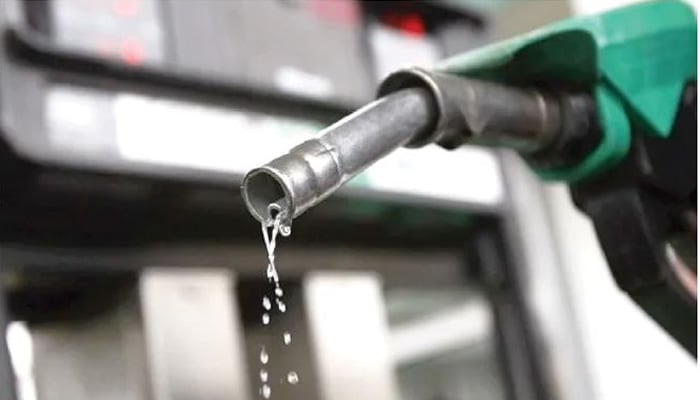
The ongoing conflict in the Middle East is sending shockwaves far beyond the region, driving global oil prices sharply higher and forcing countries to scramble for solutions.
Since the escalation of hostilities involving the United States, Israel, and Iran, the global energy market has been under intense pressure. A major turning point came when Iran shut down the Strait of Hormuz—one of the world’s most critical oil routes—through which roughly a fifth of global supply normally passes. The disruption has pushed crude oil prices above $100 per barrel, creating ripple effects across economies worldwide.

For African countries, including Nigeria, the impact has been immediate and painful. Despite being one of the continent’s largest oil producers, Nigeria is still heavily affected by global price swings. Since the conflict began in late February, petrol prices across the country have surged by more than 25 percent, worsening an already difficult cost-of-living situation. Prices that once averaged around ₦870 per litre have now climbed to over ₦1,300 in many areas.
This increase is being driven not just by global crude prices but also by supply challenges and adjustments from domestic refiners. For ordinary Nigerians, it translates into higher transport fares, rising food prices, and greater financial strain.
Ironically, while the country faces these internal pressures, higher oil prices could boost government revenue. With crude trading well above Nigeria’s budget benchmark, there is potential for increased foreign exchange earnings and improved fiscal stability. However, economists warn that these gains may not be felt by citizens. Past experiences show that oil windfalls often fail to translate into meaningful improvements in living standards.

Experts also caution that the global economy could be heading into another period of rising inflation. As energy costs increase, production and transportation become more expensive, pushing up the prices of goods and services worldwide. For a country like Nigeria, which depends heavily on imports, this could mean even tougher times ahead.
Governments around the world are already taking action. Some countries have introduced fuel subsidies, price caps, and tax cuts to protect consumers, while others are releasing emergency fuel reserves. There is also a growing push toward alternative energy sources such as compressed natural gas, seen as a cheaper and more sustainable option.
In Nigeria, authorities are promoting similar measures, including support for local refining and the rollout of gas-powered vehicle alternatives. Still, many of these solutions are long-term, offering little immediate relief to citizens dealing with rising daily expenses.
Analysts say the situation highlights a deeper issue: Nigeria’s vulnerability to global shocks despite its natural resources. They argue that instead of relying on temporary fixes, the country needs structural reforms—such as strengthening local production, improving infrastructure, and investing oil revenues more effectively.
As the conflict continues, the challenge for Nigeria will be finding a balance between short-term relief for citizens and long-term strategies that reduce dependence on global market disruptions.




