There are growing concerns in Nigeria’s aviation sector as the Nigerian Airspace Management Agency (NAMA) warns that the country’s air traffic surveillance system is deteriorating and may soon struggle to effectively monitor aircraft movements if urgent action is not taken.
At the centre of the worry is the Total Radar Coverage of Nigeria (TRACON) system, which air traffic controllers rely on daily to track and manage flights across the country’s airspace.
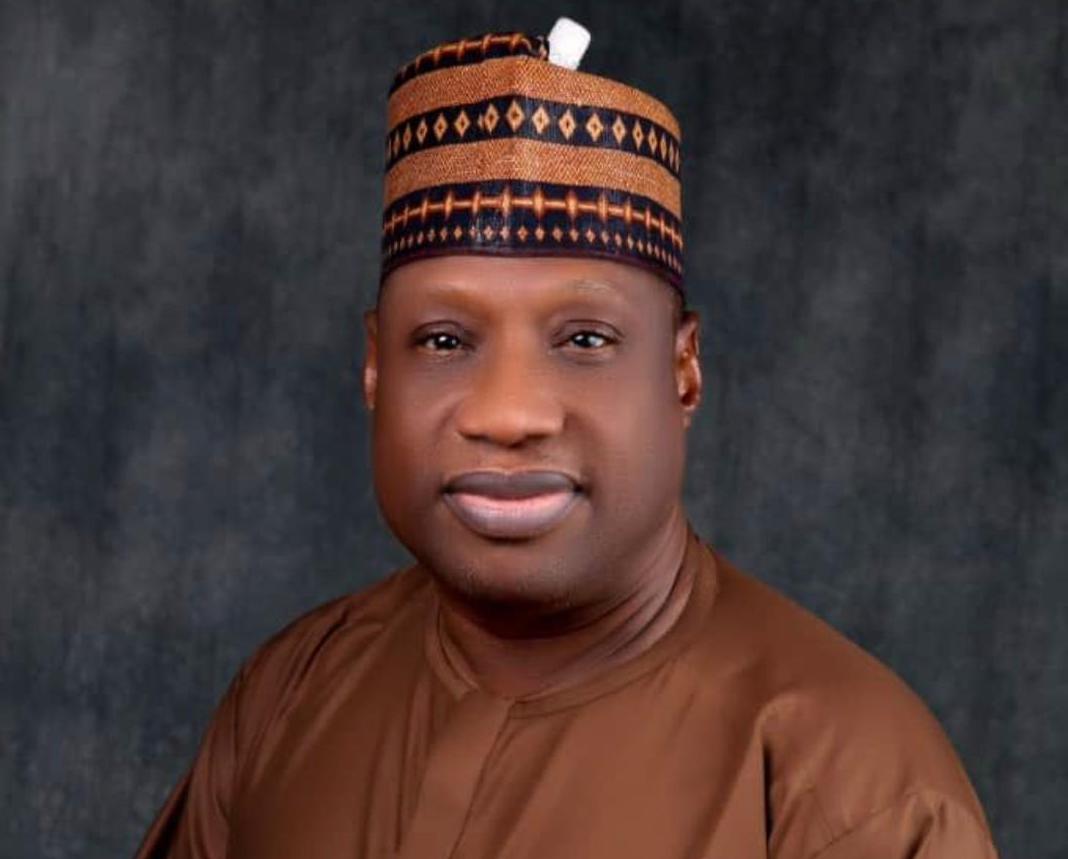
The Managing Director of NAMA, Farouk Umar, described the current state of the system as “critical” during a meeting with the Permanent Secretary of the Ministry of Aviation and Aerospace Development, Mahmoud Kambari.

According to him, many components of the radar infrastructure are now outdated, with several already obsolete and difficult to replace due to a lack of spare parts.
He warned that the system is operating without adequate backup support, raising fears about the safety and reliability of airspace surveillance.
The TRACON system, which was designed to provide full radar coverage across Nigeria, was first commissioned in 2001 and fully deployed years later. However, officials say its technology has long passed its expected lifespan.
Experts note that such systems typically last about a decade, but Nigeria’s has now been in use for over 15 years, while global aviation systems have since moved on to more advanced technologies.
Umar cautioned that the consequences of a system failure could be serious, including reduced ability to maintain safe separation between aircraft, which is a key requirement for aviation safety.

He also warned that Nigeria risks falling short of International Civil Aviation Organization (ICAO) standards if the situation is not urgently addressed.
Beyond technical challenges, NAMA says it is also struggling with funding constraints, including deductions from its internally generated revenue, which officials say is affecting operations and maintenance.
Rising operational costs, particularly for powering critical systems, have further strained the agency’s budget. The agency also noted that its current charges per flight have remained unchanged for years, despite increasing costs.
Manpower shortages, limited training opportunities, and unpaid debts from airlines and airports were also listed as additional pressures weakening the system.
While acknowledging the concerns, the Permanent Secretary of the Aviation Ministry, Mahmoud Kambari, assured that the government is committed to improving the sector.
He said efforts will continue to align Nigeria’s aviation infrastructure with global standards, stressing the need for collaboration, investment, and workforce support to prevent further deterioration.