

Nigeria has ruled out plans to seek financial support from the International Monetary Fund (IMF), despite the institution’s proposed multi-billion-dollar assistance package aimed at supporting struggling economies, particularly in Africa.

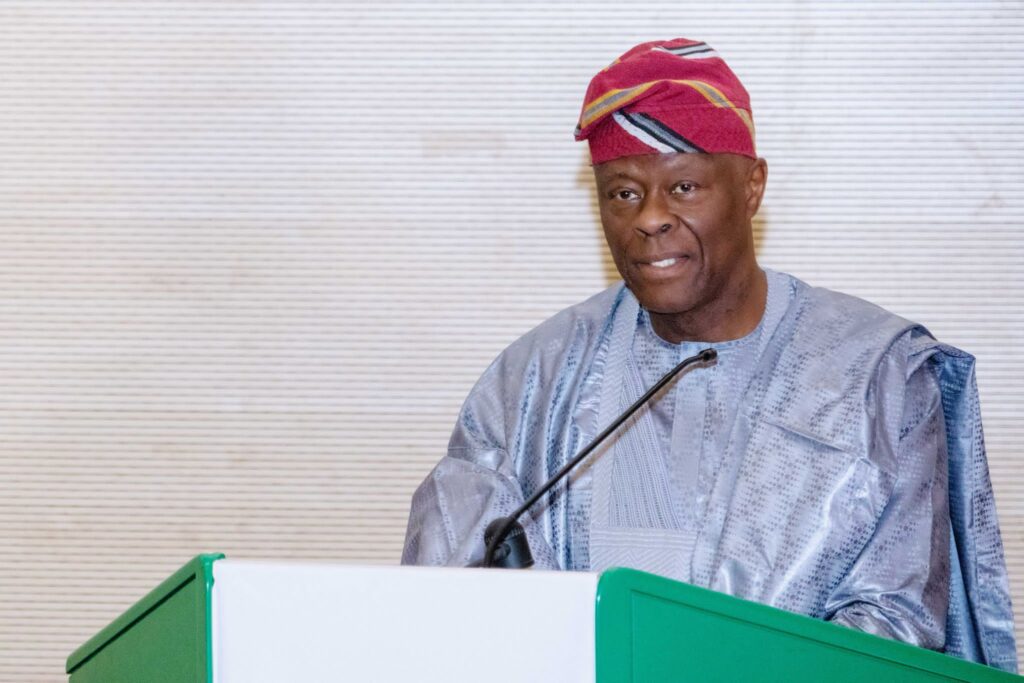
The Minister of Finance and Coordinating Minister of the Economy, Wale Edun, made this position clear during a press briefing at the ongoing World Bank and IMF Spring Meetings in Washington, D.C.
His clarification comes after IMF Managing Director Kristalina Georgieva announced that the fund was preparing between $20 billion and $50 billion to assist countries facing economic pressure, many of them in Sub-Saharan Africa. She had also advised nations in need of financial help not to delay seeking support, warning that early intervention helps prevent deeper economic crises.

However, Edun stressed that Nigeria currently has no intention of tapping into IMF borrowing facilities. He reaffirmed that the country is not considering any additional external financial commitments from the institution at this time.
The minister noted that African economies are currently under significant strain, particularly due to global shocks such as ongoing conflicts in the Middle East. He explained that these disruptions are affecting oil-importing countries the most, leading to increased pressure on economic stability, growth, job creation, and poverty reduction efforts.

According to him, many vulnerable economies in the region require stronger international support to withstand these external shocks, even though they are not responsible for the crises affecting global markets.
Meanwhile, Georgieva highlighted that the IMF is closely monitoring global developments and working to identify countries most in need of assistance. She warned that prolonged conflict and rising oil prices could significantly weaken global growth, which is projected to decline in the coming years if conditions worsen.

She also noted that while African finance ministers and central bank governors recently engaged with the IMF, most were focused on policy guidance rather than immediate financial assistance. She emphasised the importance of building strong economic buffers during stable periods to prepare for future shocks.

The IMF chief further cautioned that energy-importing nations remain the most exposed to global instability, especially as supply chain disruptions and geopolitical tensions continue to affect global prices and growth outlooks.




