

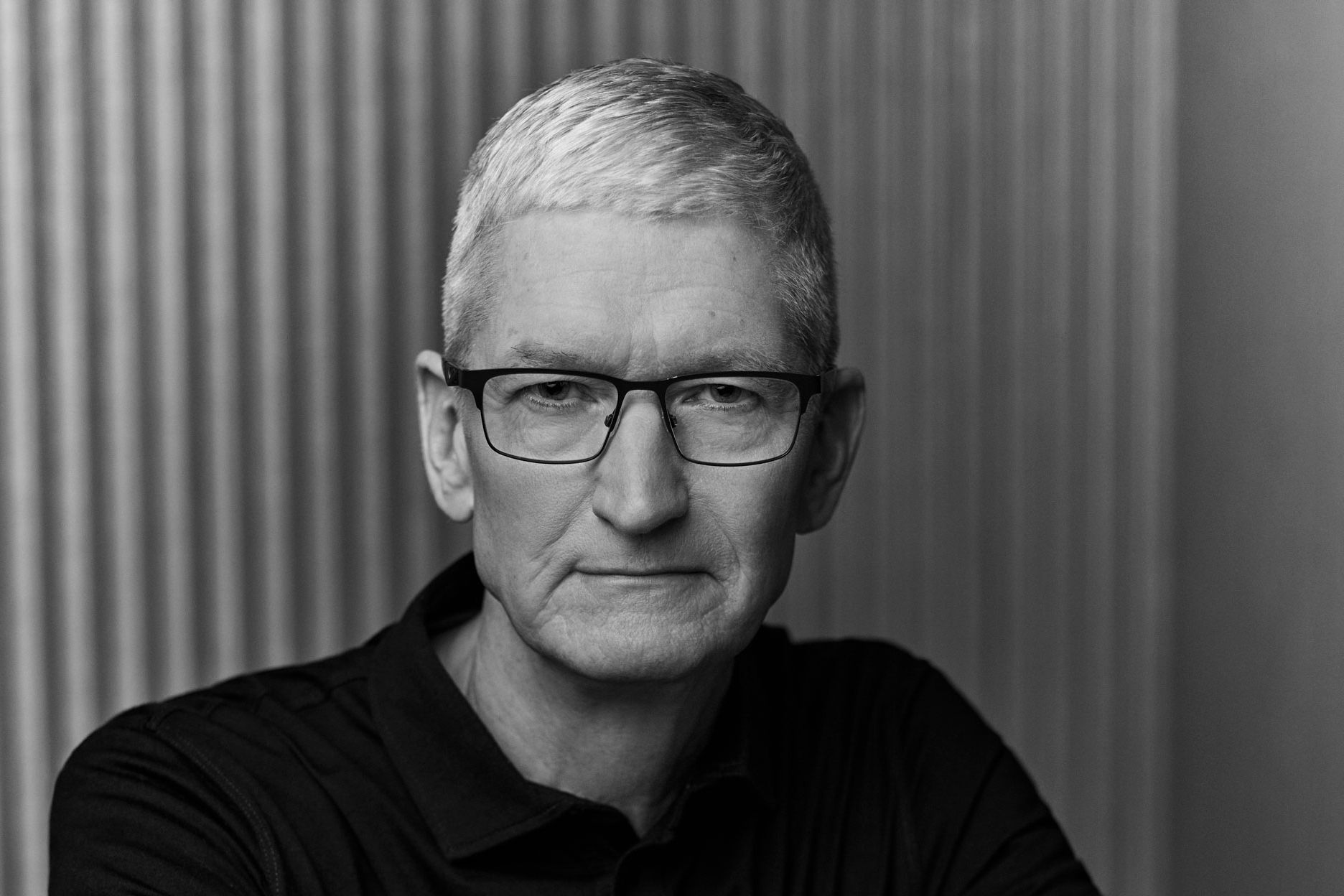
The most dangerous point in a CEO’s journey isn’t when things are going badly—it’s when everything still looks like success on paper, but the instincts that built that success start to quietly fall out of sync with what the company now needs.
Tim Cook is being used in that conversation as the clearest modern example.
Under his leadership, Apple grew from a company worth a few hundred billion dollars into a multi-trillion-dollar giant. Revenue multiplied several times over. The ecosystem expanded into services, wearables, and recurring income streams. By most measures, his tenure has been one of the most successful corporate leadership runs in history.
And yet, discussions about leadership transition at Apple have reignited questions about something less visible than growth: fit.
Cook didn’t try to replace Steve Jobs. When he took over in 2011, the pressure wasn’t just operational—it was psychological. Many expected Apple to lose its identity or for Cook to imitate the founder’s style. Instead, he leaned into his own strengths: operations, efficiency, supply chains, and long-term stability. That approach reshaped Apple into a more structured, predictable, and financially disciplined company.

It worked—brilliantly.
But leadership identity is not static. What stabilizes a company in one era can slow it in another.
That’s the tension now being discussed. Apple’s more cautious, process-driven style—so effective in scaling hardware and services—has struggled to show the same speed in newer battlegrounds like artificial intelligence and next-generation software experiences. Features arrive later than competitors. Product direction feels more iterative than disruptive.
This is where leadership questions become uncomfortable.
Because at the top level, CEOs don’t usually fail by suddenly becoming incompetent. They drift into a mismatch with the environment around them. The approach that once created clarity starts creating hesitation. The habits that once reduced risk start increasing delay.
It doesn’t feel like decline from the inside. It feels like “this is how I’ve always done things.”
That’s what makes it hard to see.
In executive circles, this moment is often described as a quiet identity gap: the leader is still effective, still experienced, still in control—but the context has shifted faster than their default way of operating.
And that creates a subtle drag on decision-making. Not paralysis, but caution. Not failure, but delay.
At companies like Apple, that delay is magnified because the pace of competition in areas like AI doesn’t wait for consensus-building or layered analysis.
Reports around Apple’s internal dynamics reflect this difference in style between Cook’s more deliberative approach and the newer generation of leaders being positioned for future control—leaders who are more decisive, more direct, and more willing to choose direction quickly even without full certainty.

That contrast is where the conversation about succession becomes more than a title change. It becomes about whether the leadership style that scaled Apple to its current size is the same style that can define its next phase.
This is the part most CEOs struggle with privately.
Because the identity that builds a career rarely feels like something you can safely put down. It feels like discipline, experience, and wisdom. But at scale, those same traits can slowly turn into constraints if the environment changes enough.
The hardest realization at that level is not “I am failing,” but “what worked for me may no longer be what the company needs.”
That’s the real tension sitting underneath the Apple discussion—not just succession, but evolution.
And it’s the same question every long-tenured leader eventually faces, whether in tech, finance, or any system that moves faster than the habits that built it:
At what point does the strength that got you here become the thing you have to evolve beyond?




