

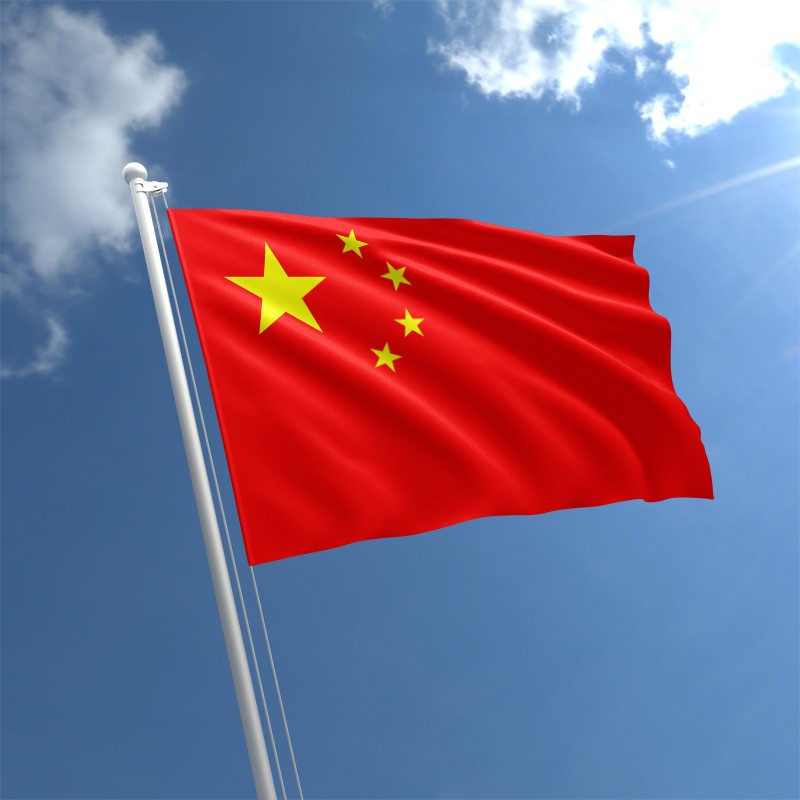
China has announced a sweeping trade move that will see it remove tariffs on exports from all African countries, except Eswatini, which maintains diplomatic ties with Taiwan.
The policy, which expands an earlier duty-free arrangement for 33 least-developed African nations introduced in 2024, now extends to 53 countries. It will run until April 30, 2028, though officials have not clarified what comes next.
Beijing has framed the decision as a landmark gesture, with Chinese authorities describing it as the first major economy to offer full unilateral zero-tariff access to Africa. The move is being widely viewed as part of China’s broader push to deepen economic and diplomatic influence across the continent.
Analysts say the timing is strategic. As Western economies tighten trade rules and the United States has imposed tariffs on several African exports in recent years, China is positioning itself as a more open and predictable partner.

Some experts, however, caution against overstating the immediate impact. While the tariff removal is significant on paper, they argue that duties are not the biggest barrier facing African exporters. Issues like weak industrial capacity, infrastructure gaps, and limited logistics networks remain far more restrictive.
As one analyst put it, China is clearly strengthening its image as a “trade liberaliser” and Africa-friendly partner, even if the structural realities of trade don’t shift overnight.
The economic relationship between China and Africa is already large but heavily imbalanced. African exports to China remain dominated by raw materials such as oil, minerals, and ores, while finished goods from China continue to flood African markets. Last year alone, Africa’s trade deficit with China widened sharply, underscoring how uneven the exchange remains.
Countries like Angola, South Africa, and the Democratic Republic of Congo continue to lead Africa’s exports to China, largely driven by commodities.
Economists say the new tariff regime could still benefit certain sectors, particularly agriculture and light manufacturing, especially in more industrialised African economies like South Africa and Morocco. But for many countries, the gains may be limited without deeper reforms in production and infrastructure.
In essence, the policy is being seen less as a quick economic fix and more as a long-term geopolitical signal: China opening its doors wider, while also tightening its influence across Africa’s trade landscape.




