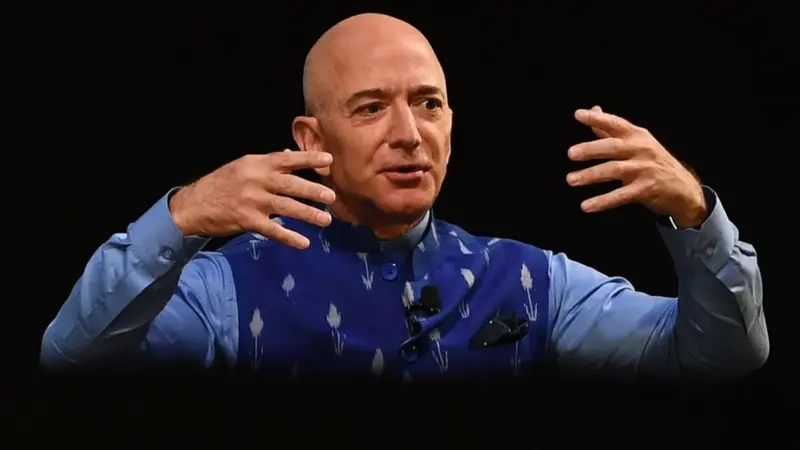
A recent quote by Jeff Bezos is sparking fresh conversations about how people approach giving and philanthropy. Rather than focusing only on long-term solutions, Bezos highlights the importance of balancing immediate action with lasting impact.
“I want much of my philanthropic activity to be helping people in the here and now—short term—at the intersection of urgent need and lasting impact,” he said.
At its core, the message is simple but powerful: helping people today doesn’t have to come at the expense of building a better future. Instead, both goals can—and should—work together.
Traditionally, philanthropy has leaned heavily toward long-term projects like education, infrastructure, and research. While these remain essential, they often take years before results are visible. Bezos’ perspective introduces a more responsive approach—one that recognises that people facing urgent challenges cannot afford to wait.

“Urgent need” refers to situations that demand immediate attention, such as disasters, health crises, or poverty. Acting quickly in these moments can stabilise lives and prevent further damage. On the other hand, “lasting impact” focuses on sustainable solutions—systems and structures that continue to improve lives long after the initial help is given.
The real strength of this philosophy lies in combining both. For example, providing emergency medical aid addresses immediate suffering, while investing in healthcare systems ensures better preparedness for the future. The same applies to food aid paired with agricultural support, or educational materials alongside teacher training.

This balanced approach is increasingly shaping modern philanthropy. Many organisations now design programmes that deliver short-term relief while also building long-term resilience. It’s a shift toward smarter, more strategic giving—where every action serves both the present and the future.
Bezos himself has applied this thinking through initiatives like the Bezos Earth Fund and the Day One Fund, which focus on tackling urgent issues like climate change and homelessness while supporting long-term development.
Beyond large-scale philanthropy, the idea is also practical for everyday life. Individuals can adopt the same mindset—helping people around them in immediate ways while supporting efforts that create lasting change.
In a world filled with complex and fast-moving challenges, the message is clear: meaningful impact doesn’t come from choosing between now and the future. It comes from understanding how both are connected—and acting accordingly.