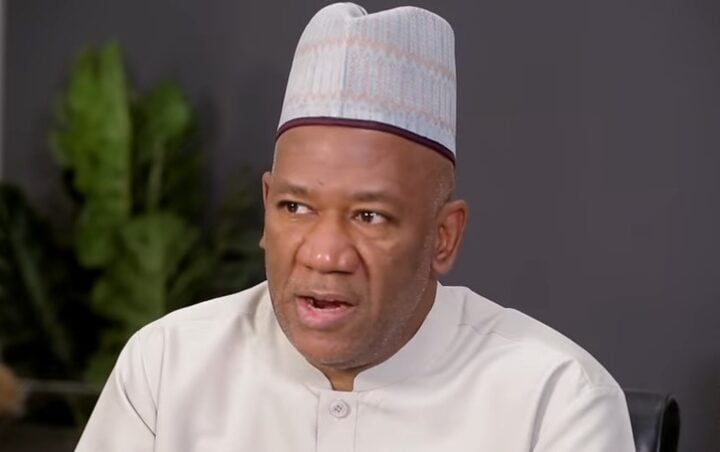
Former Vice-Presidential candidate of the Labour Party in the 2023 general election, Yusuf Datti Baba-Ahmed, has said Nigeria’s current leadership is contributing to what he described as a decline in the public image of Islam under President Bola Tinubu and Vice-President Kashim Shettima.
Speaking at a political engagement organised by the Peoples Redemption Party (PRP), Baba-Ahmed argued that conversations about governance and religion must be handled with honesty, even when uncomfortable.
According to him, “It’s not easy for me to say this… but it must be said,” stressing that open discussion is necessary for accountability.
He claimed that, in his view, “the world of Islam has never suffered reputational damage as under Tinubu, Shettima presidency,” adding that his comment was not intended as a religious attack but a call for sincerity in leadership selection.

Baba-Ahmed also urged Nigerians to insist on leaders who genuinely reflect the values they claim to represent. “If you are presenting religion, then present genuine candidates who will govern by the dictates of their faith,” he said, adding that leadership should not be reduced to symbolism or identity politics.
Meanwhile, reactions have continued to trail ongoing debates around religion and governance in the country. The Muslim Rights Concern (MURIC) recently criticised the Federal Government over what it described as uneven attention to religious-related projects.
The group pointed to the reported construction of a N25 billion ecumenical chapel and pilgrimage centre at the Nnamdi Azikiwe International Airport in Abuja, questioning the priorities behind such spending.
In its statement, MURIC’s Executive Director, Professor Ishaq Akintola, said: “FG should explain this preferential treatment. Nigerian Muslims deserve better than this,” adding that the development had sparked concern within some Muslim communities.
The group also said there was growing dissatisfaction over perceived imbalance in government interventions, warning that such issues could deepen religious tensions if not carefully managed.
The contrasting reactions once again highlight the sensitive intersection of religion, governance, and public perception in Nigeria’s political discourse.