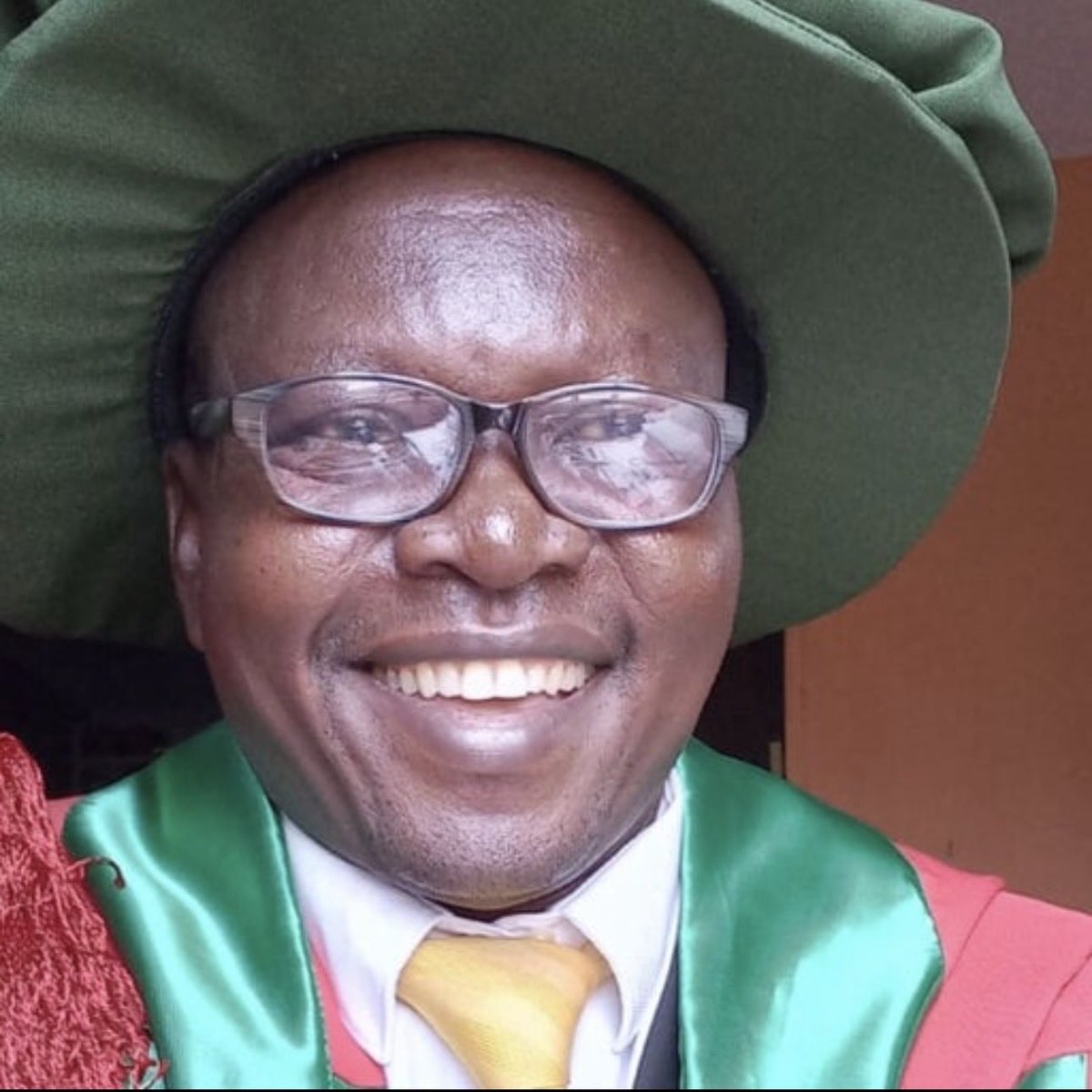
The management of Abia State University (ABSU) has reportedly suspended a lecturer in the Department of Mass Communication, Dr. KC Izuogo, over allegations of extortion, student victimisation and certificate forgery.
The development follows earlier reports by SaharaReporters alleging systemic corruption and financial exploitation within some departments of the institution, particularly Mass Communication and Electrical Engineering.
In a post on X (formerly Twitter), education advocate, Alex Onyia (@winexviv), claimed that investigations by the Abia State Government revealed that the lecturer’s academic qualifications were fake.
According to Onyia, Dr. Izuogo allegedly operated for years without a valid WAEC certificate while intimidating students and extorting money from them.

“This is Dr. KC Izuogo from Dept of Mass Communication at Abia State University,” he wrote.
“He is very corrupt and wicked to students.
“Students must buy his handout for N5,000 and also sort the course with N20,000. If you don’t do it, you must fail the course.”
Onyia further alleged that the lecturer’s credentials included “fake WAEC, fake BSc, fake PhD,” adding that the state government had intensified investigations into certificate forgery within the university system.
“A lecturer without a WAEC certificate has been tormenting students for several years,” he said.
“Abia State Government have intensified their investigations.
“All fake certificate holders will be fished out and suspended.
“All forms of sorting, victimisation, sex-for-grades and extortion will be addressed and stopped.”
He also claimed that the ongoing reforms would help restore academic standards in the institution.
“By the time they are done, Abia State University will operate at the same quality level as top African universities,” he added.
SaharaReporters had earlier reported allegations from students and insiders who accused some lecturers in ABSU of running a coordinated system of extortion.
Sources alleged that students were forced to buy electronic handouts at inflated prices, sometimes up to N6,000, and pay additional “sorting” fees before their scripts were marked.
One source claimed lecturers collected money before grading examination scripts, while others accused course representatives of enforcing illegal levies on behalf of staff.
“The lecturers will collect money to mark scripts. It has become a system students are expected to comply with,” a source said.
Another source alleged that 200-level students in the Mass Communication department were particularly affected.
Parents and concerned residents have also raised concerns over the growing financial pressure on students, describing the situation as deeply troubling amid the current economic hardship.