

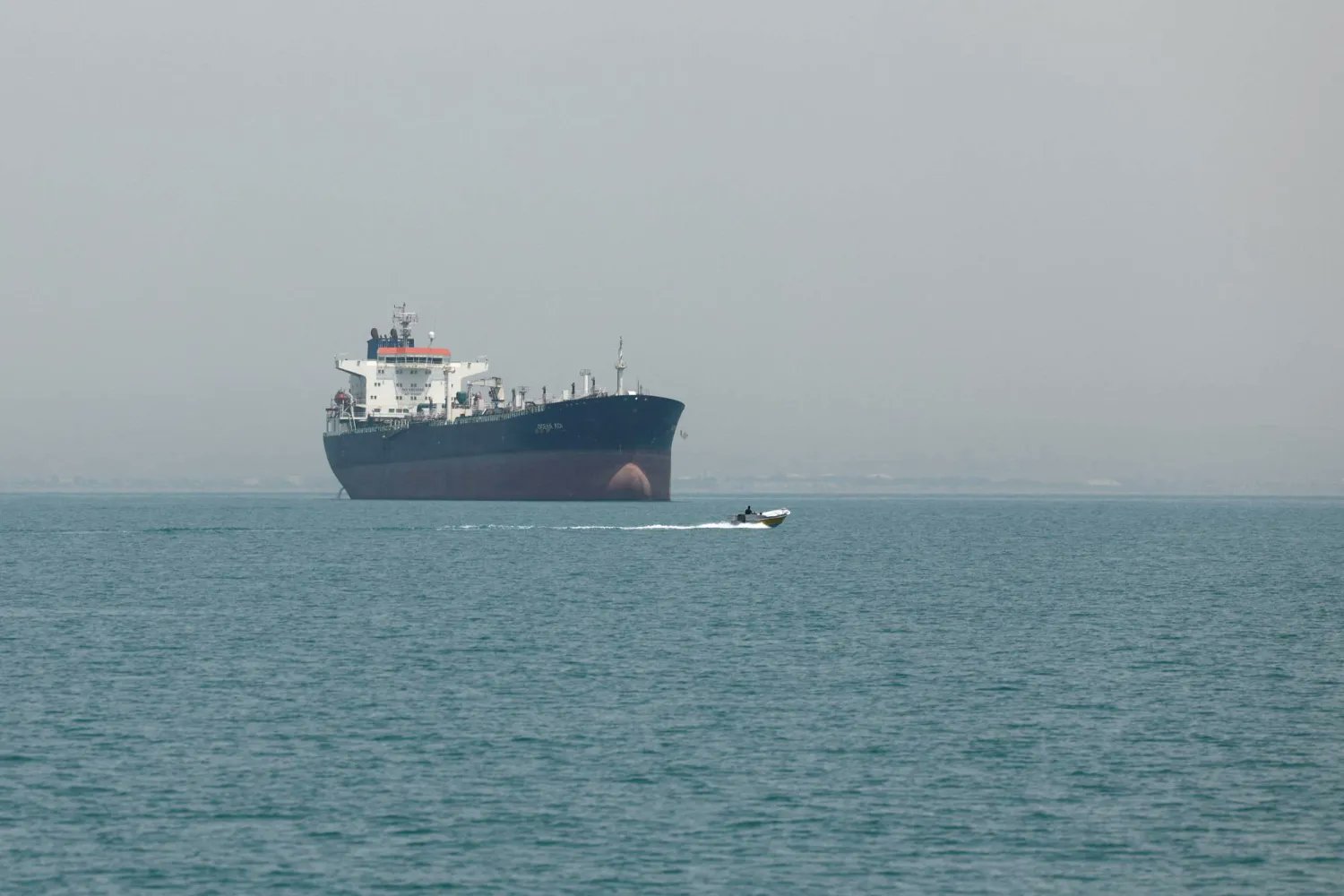
Several liquefied natural gas (LNG) tankers and crude oil vessels have been observed passing through the Strait of Hormuz in recent days, heading to destinations including Pakistan, China, and India, despite ongoing disruptions in the region.

Ship-tracking data indicates that at least three LNG carriers and a supertanker loaded with Iraqi crude have recently moved through the strategic waterway, which normally handles about one-fifth of global oil and LNG supply.
The developments come amid continued tensions following conflict in the region, which has significantly reduced shipping traffic through the strait and raised concerns over global energy security.

Among the vessels tracked, the LNG tanker Fuwairit is reported to have crossed the strait and is expected to discharge its cargo in Pakistan, while another vessel, Al Rayyan, is en route to China after leaving Qatar’s Ras Laffan port.
A crude oil tanker operated by Abu Dhabi National Oil Company (ADNOC) also passed through the area and was later tracked near India, while the supertanker Eagle Verona is expected to deliver its cargo to China in June.

Industry data suggests that several vessels had been delayed or stranded in the Gulf for weeks before resuming transit through the waterway, with some now rerouted under new navigation directives.
Before the disruption, the Strait of Hormuz recorded between 125 and 140 vessel movements daily, but current traffic levels remain significantly reduced, leaving thousands of seafarers affected by the ongoing situation.

Energy analysts warn that continued instability in the region could further disrupt global oil and LNG supply chains, given the strategic importance of the waterway.




