

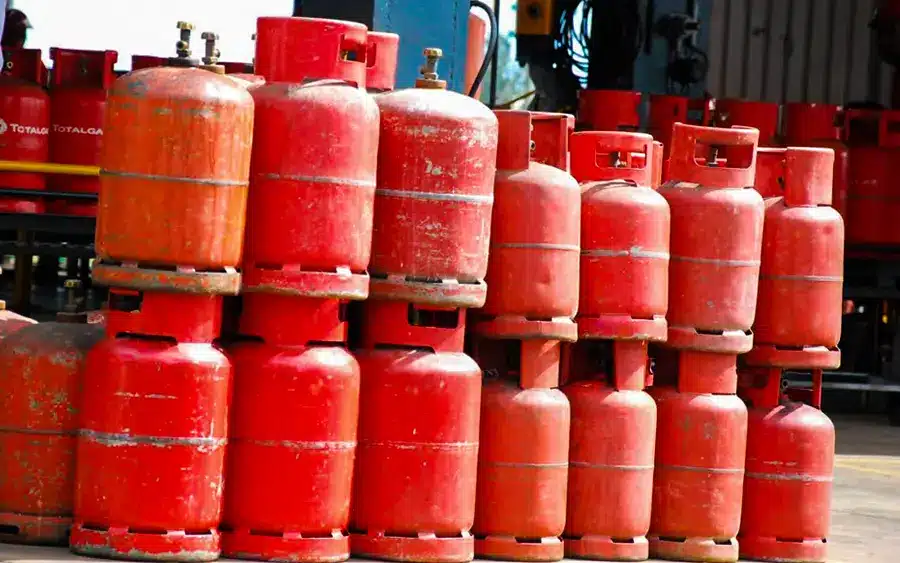
Rising cooking gas prices have sparked fresh concern across Nigeria as households prepare for the 2026 Eid-el-Kabir celebration, with costs nearing N2,000 per kilogramme in several regions.

The Federal Government had earlier announced Wednesday, May 27, and Thursday, May 28, 2026, as public holidays for the Sallah festivities, but many families are now facing pressure due to the sharp increase in Liquefied Petroleum Gas (LPG) prices.
Market surveys across the country show that cooking gas, which sold below N1,000 per kilogramme a few months ago, now ranges between N1,500 and N1,800 in many locations. In some South-West communities, especially border areas in Ogun State, prices are edging close to N2,000 per kilogramme, while residents in Lagos, Ibadan, and Abeokuta report similar increases. In parts of northern Nigeria, prices are also reported between N1,800 and N2,000 per kilogramme.

The latest surge marks the first major price jump in 2026 and follows earlier disruptions in the oil and gas sector linked to industrial tensions involving the Dangote Refinery and the Petroleum and Natural Gas Senior Staff Association of Nigeria in late 2025.
The Nigerian Association of Liquefied Petroleum Gas Marketers has expressed concern over the situation, warning that unstable supply and rising costs could worsen scarcity and deepen economic hardship for citizens. The group noted that marketers now pay over N25 million for 20 metric tonnes of gas depending on location, describing the situation as difficult for both suppliers and consumers.

It further warned that millions of households, small businesses, and food vendors relying on cooking gas are being severely affected, with many at risk of switching back to firewood and charcoal due to affordability issues. According to the association, such a shift could worsen environmental challenges and increase health risks linked to smoke exposure.
The group also cautioned that if urgent steps are not taken, Nigeria could face higher food inflation, job losses in the gas retail sector, reduced investor confidence, and setbacks in the country’s clean energy transition efforts.




