

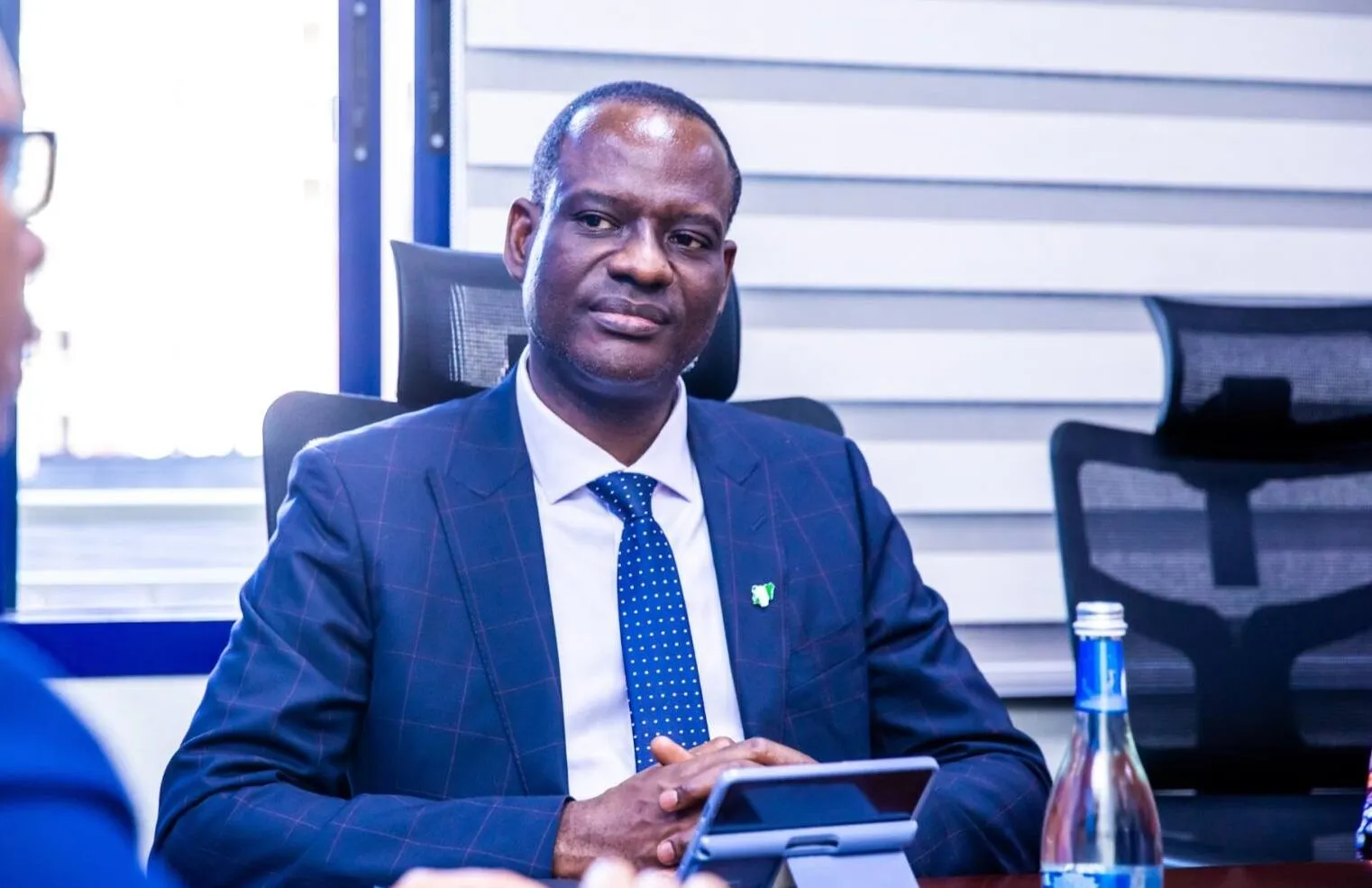
Nigeria is exploring plans to refinance parts of its existing debt portfolio and secure additional funding to cover its widening budget deficit, as improving global market conditions strengthen investor confidence in the country.
The Minister of Finance and Coordinating Minister of the Economy, Taiwo Oyedele, disclosed this during an interview with Bloomberg TV, noting that current financial conditions present a strategic window for debt restructuring and new borrowing.

According to him, the government is considering refinancing expensive legacy obligations while also raising fresh capital to support development spending.
He said favourable market conditions, combined with rising oil prices, have improved Nigeria’s external earnings outlook and boosted investor perception of its creditworthiness.
Despite these gains, Oyedele stated that Nigeria still faces a budget deficit estimated at around N30 trillion, making additional financing necessary to sustain government operations and development plans.

He explained that the government is keeping all financing options open, including concessional loans from multilateral institutions such as the World Bank and other development finance partners.
The minister added that ongoing economic reforms introduced by the current administration, including subsidy removal, tax adjustments, and foreign exchange policy changes, have contributed to increased investor interest.

However, he cautioned that while higher crude oil prices have strengthened government revenues, they also add inflationary pressure globally, creating additional challenges for economic management.

Analysts say the combination of improved market sentiment and rising oil prices could give Nigeria more flexibility in managing its debt profile in the short term, although long-term fiscal pressures remain significant.




