

The Centre for the Promotion of Private Enterprise (CPPE) has projected that Nigeria’s economy will continue its gradual recovery during the second half of 2026, with expected growth driven by financial services, telecommunications, construction, trade and oil refining.
In its half-year economic review, the policy research organisation stated that while economic indicators are improving, increased political activities ahead of the 2027 general elections could create new challenges for macroeconomic stability and slow ongoing economic reforms.

The report forecasts that inflation will remain well below 2025 levels, while exchange rate stability is expected to continue, supported by stronger foreign exchange inflows and healthier external reserves.
CPPE also expects Nigeria’s financial markets to remain resilient, citing banking sector recapitalisation efforts and improved corporate earnings as major contributors to the positive outlook.
Despite these encouraging projections, the organisation warned that election-related spending could increase liquidity in the economy, potentially triggering higher inflation, greater demand for foreign exchange and additional pressure on economic management.

The think tank further cautioned that growing political activities may shift attention away from key government reforms and delay the implementation of important development programmes.
Reviewing the country’s economic performance during the first half of the year, CPPE noted improvements in exchange rate stability, crude oil production, external reserves, financial market performance and government revenue generation from both oil and non-oil sectors.
However, it pointed out that businesses continue to face major challenges, including high interest rates, rising energy costs, unstable electricity supply, transportation difficulties and insecurity, all of which have increased operating expenses for manufacturers, farmers and micro, small and medium-sized enterprises.

The report also observed that capital project implementation has remained below expectations due to procurement delays and the government’s debt servicing commitments.
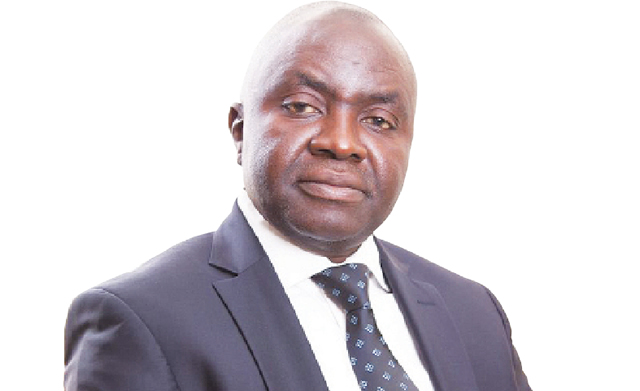
CPPE Chief Executive Officer, Muda Yusuf, urged policymakers to focus on reforms that improve productivity and strengthen the competitiveness of the economy rather than relying solely on macroeconomic stability.

He called for faster improvements in electricity supply, transport infrastructure, port operations, security in farming communities and access to affordable long-term financing for businesses.
The organisation recently reiterated the need for stronger food security policies and improved security in agricultural areas to help reduce inflationary pressures.
Nigeria’s headline inflation rate increased to 15.93 percent in May 2026 from 15.69 percent recorded in April, with CPPE attributing part of the rise to geopolitical tensions in the Middle East that disrupted global energy markets and supply chains.




