

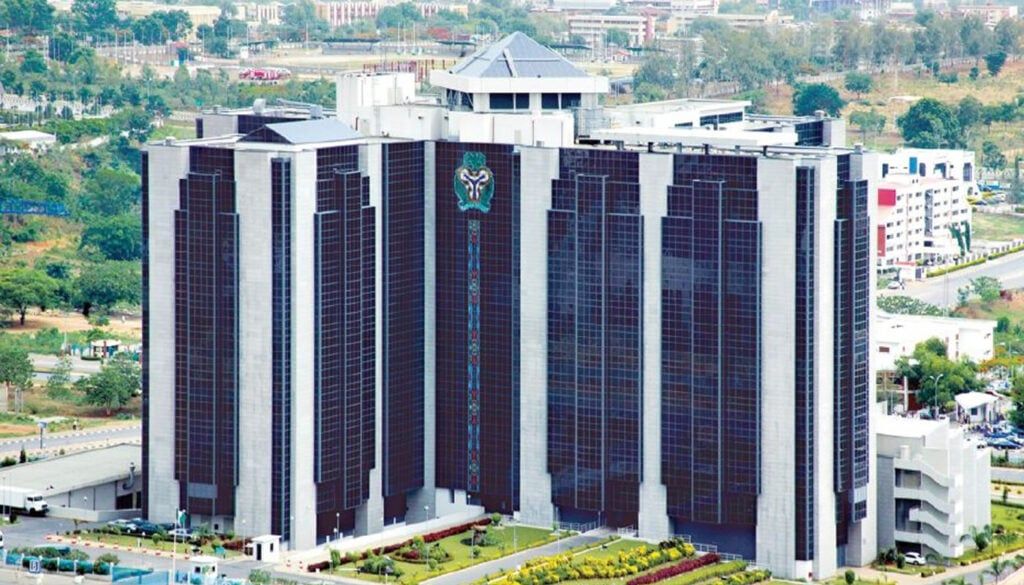
The Central Bank of Nigeria (CBN) is set to issue N2 trillion in Treasury Bills (T-bills) across three auction dates in July, despite only N647.79 billion worth of existing bills maturing during the month.
The issuance plan will result in a net liquidity withdrawal of about N1.35 trillion, making it the largest monthly T-bill liquidity absorption planned by the apex bank in 2026.

The July auctions mark the beginning of the CBN’s third-quarter (Q3) Treasury Bills programme, under which the bank intends to issue N5.8 trillion between July and September. During the same period, N2.64 trillion in bills will mature, leaving a net borrowing target of approximately N3.16 trillion.
The first auction is scheduled for July 8, when the CBN will offer N700 billion in Treasury Bills across 91-day, 182-day and 364-day tenors. On the same day, N269.36 billion in maturing bills will be redeemed, resulting in a net liquidity withdrawal of about N430.64 billion.

The July 8 offering consists of N100 billion each for the 91-day and 182-day bills, while N500 billion will be offered in the 364-day tenor. The stop rates remain at 16.28 percent, 16.50 percent, and 17.34 percent, respectively, largely unchanged from the previous auction.
The CBN’s July auction calendar includes another N600 billion offering on July 15, no new issuance on July 22 despite N378.43 billion in maturing bills, and a final N700 billion auction on July 29.
The absence of an auction on July 22 is expected to provide a temporary liquidity boost to the banking system before the July 29 auction withdraws a larger volume of funds.

The programme follows strong investor participation recorded during June’s Treasury Bills auction, where demand was particularly high for the 364-day instrument.
The one-year Treasury Bill attracted subscriptions worth N1.66 trillion against an offer of N800 billion, while demand for the shorter tenors was comparatively weaker.
Market analysts expect the longer-dated 364-day bill to remain the preferred investment option in July, while demand for shorter maturities may depend on whether the CBN adjusts interest rates to attract investors.

The CBN continues to use Treasury Bills as a key monetary policy tool to manage liquidity and support efforts to control inflation. The sizeable increase in planned issuances also reflects the government’s continued reliance on domestic short-term borrowing to finance its fiscal needs.




