

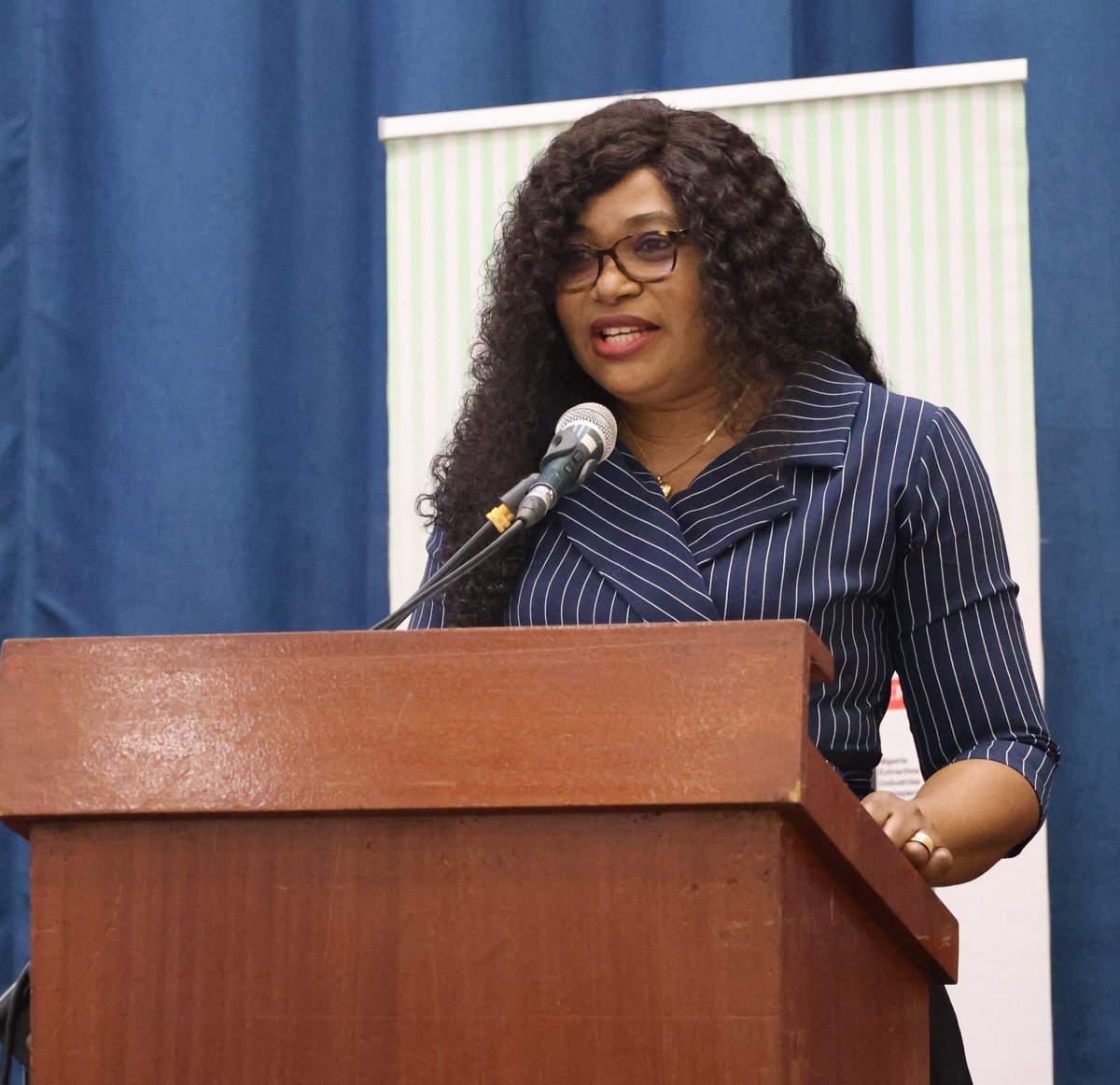
The Executive Chairman of the Economic and Financial Crimes Commission (EFCC), Ola Olukoyede, has praised the Proceeds of Crime Act (POCA) for improving Nigeria’s asset recovery and management system through greater transparency, legal clarity, and faster disposal of recovered assets.

Olukoyede made the remarks during a high-level seminar in Abuja themed “Scaling up the Promotion of Integrity and Anti-Corruption Actions Across Africa,” organised by the Inter-Agency Task Team to mark this year’s African Anti-Corruption Day.

Represented by the Head of Administration and Records, Proceeds of Crime Management at the EFCC, Assistant Commander Wananje Gwatana, the EFCC chairman said the implementation of POCA has strengthened the Commission’s operations by providing a solid legal framework for asset seizure, forfeiture, management, and disposal.
He explained that one of the agency’s key priorities is reducing the time between the final forfeiture of assets and their disposal. According to him, the Act has also addressed challenges associated with assets that depreciate in value by allowing such assets to be sold before the annual disposal exercise, with the proceeds kept in escrow until court proceedings are concluded.

Olukoyede further disclosed that the EFCC has enhanced accountability by replacing physical auctions with electronic auctions and engaging professional asset management consultants to oversee forfeited properties based on their areas of expertise. The consultants are required to submit quarterly performance reports and account for revenue generated from the assets under their management.
He added that recovered proceeds from financial crimes are contributing to national development, noting that part of the recovered funds has been approved by the Federal Government to support the Nigerian Education Loan Fund (NELFUND) and the Consumer Credit Scheme.

Also speaking at the event, the Chairman of the Independent Corrupt Practices and Other Related Offences Commission (ICPC), Musa Adamu Aliyu, reaffirmed the agency’s commitment to promoting integrity, transparency, and accountability. He stressed that sustainable development across Africa depends on strong institutions and effective anti-corruption efforts driven by collaboration among governments, oversight bodies, the private sector, civil society, and citizens.
The Chairman of the Code of Conduct Bureau (CCB), Abdullahi Usman Bello, also restated the bureau’s commitment to promoting ethical conduct among public officials. He highlighted ongoing reforms, including the introduction of an online asset declaration system aimed at improving transparency and accountability.




