

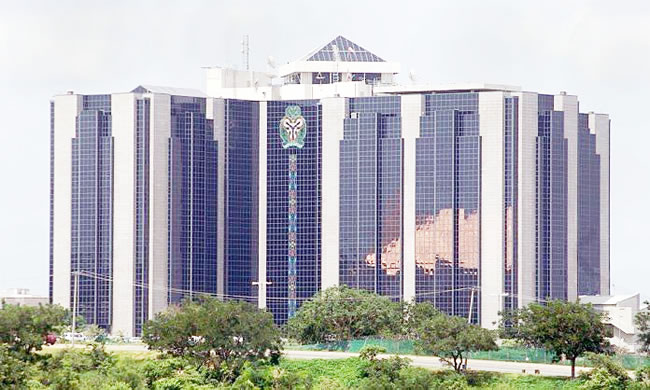
The Central Bank of Nigeria (CBN) has confirmed that it opened two foreign-currency domiciliary accounts linked to the Presidential Foreign Investment Promotion Council (PFIPC), but clarified that the accounts were never activated or used for any financial transactions.
The disclosure was made during a public hearing of the House of Representatives Ad-hoc Committee investigating the existence and operations of the PFIPC.

Speaking before the committee, the CBN’s Director of Banking Services, Hamisu Ibrahim, explained that the accounts—one in US dollars and the other in British pounds sterling—were opened after the bank received an official mandate from the Office of the Accountant-General of the Federation.
He noted that the bank followed its standard verification procedures before opening the accounts, confirming that the mandate originated from the appropriate government office.
However, Ibrahim stated that the accounts remained inactive because the required activation documents, including authorised signatures and mandate cards, were never submitted to the bank.

According to him, both accounts have maintained a zero balance since they were opened, with no deposits, withdrawals or foreign exchange transactions recorded.
The CBN’s testimony differed from an earlier statement by the Accountant-General of the Federation, who had informed lawmakers that no accounts had been opened in the council’s name.
Also appearing before the committee, the Head of the Civil Service of the Federation, Didi Walson-Jack, denied claims that her office allocated office space to the PFIPC. She explained that the office address associated with the council belongs to the Office of the Secretary to the Government of the Federation.

She, however, disclosed that the council submitted documents during the 2025 Annual Manpower Budget Defence Exercise, leading to the processing of an authorised establishment for 314 positions and a recruitment waiver. She maintained that her office neither deployed staff to the council nor approved any recruitment.
Following the hearing, the committee directed several senior government officials, including the Secretary to the Government of the Federation, the Inspector-General of Police, key ministers and heads of relevant agencies, to appear before lawmakers for further questioning.

The PFIPC remains under investigation after President Bola Tinubu directed the Independent Corrupt Practices and Other Related Offences Commission (ICPC) to probe the activities of the controversial council.




