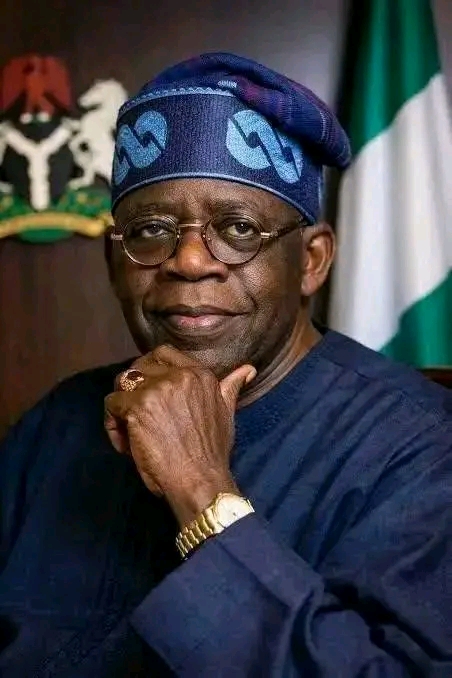
President Bola Tinubu has defended his administration’s economic policies, citing improved economic growth, stronger foreign reserves and increased revenue allocations to state governments as signs of progress.
The president’s remarks followed the release of the World Bank’s October 2026 Nigeria Development Update, which reported that the country’s economy expanded by 4.2 per cent in the first half of 2026, compared with 3.9 per cent during the same period in 2025.

Tinubu said the findings showed that major policy decisions introduced since 2023 were beginning to produce results. These include the removal of petrol subsidies, the unification of the foreign exchange market and measures aimed at improving fiscal discipline.
According to the World Bank, federation revenue increased by 69 per cent in real terms between 2023 and 2025, with state governments receiving the largest share of the gains. The additional resources helped states increase capital expenditure by 151 per cent in real terms over the same period.
Much of the increased spending went towards roads and other transport infrastructure, agriculture, energy and housing. The report also found that 29 of the 33 states assessed shifted more spending towards economic infrastructure.

Nigeria’s external financial position also strengthened, with the current account surplus rising to $12 billion in the first half of 2026, up from $8.6 billion a year earlier. Gross external reserves increased from $45.5 billion at the end of 2025 to $53.8 billion by the end of August 2026.
The World Bank further reported that Nigeria’s poverty rate had stabilised for the first time since 2019. It expects economic growth to average at least 4.4 per cent annually between 2026 and 2028, with poverty projected to decline gradually if growth continues to outpace population expansion.
However, the report noted that rising global fuel prices associated with the conflict in the Middle East had slowed the decline in inflation. Although inflation fell from 27.6 per cent in January 2025 to 15.2 per cent in December 2025, the bank expects it to ease to around 12 per cent by 2028.

Tinubu acknowledged that stronger economic indicators must translate into better living conditions for Nigerians, particularly through lower food prices and more employment opportunities for young people.
He said the government would expand targeted cash transfers, which have reportedly reached more than 10 million households, while accelerating compressed natural gas adoption, improving agricultural productivity and strengthening access to healthcare and education.
The president also urged state governments to manage their increased revenues responsibly and prioritise projects that improve public welfare.
Despite the reported economic gains, the administration continues to face pressure to ensure that its reforms deliver more affordable living costs, sustainable jobs and improved purchasing power for households across the country.