Connecting the Dots Between Infrastructure, Industrialisation, Social Protection, and Nigeria’s Future Prosperity
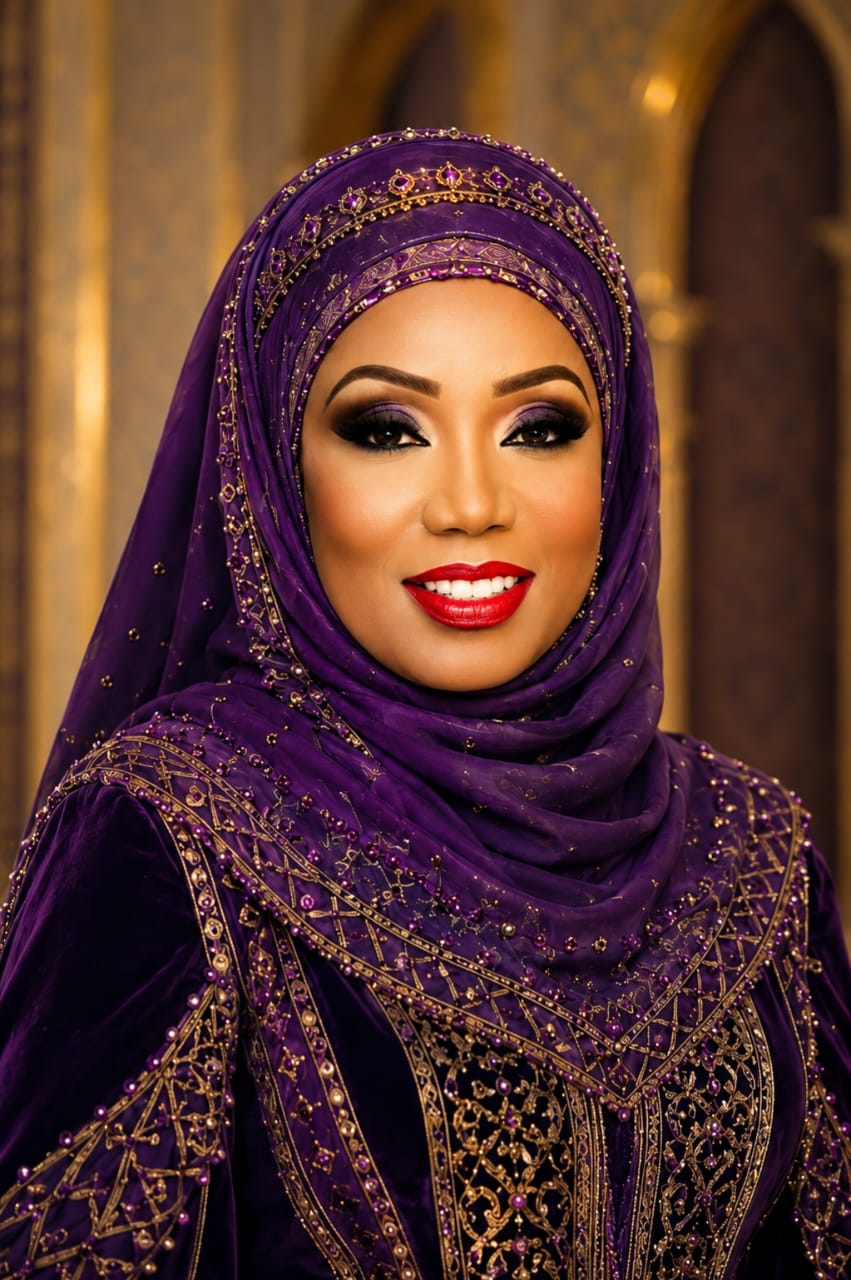
By Gloria Fraser, MFR
> “The age of reform has done its work. Now begins the age of prosperity.”
— President Bola Ahmed Tinubu, October 1, 2026.
What if Nigeria’s best years are still ahead? What if three years of difficult reform become the foundation for eight years of transformation—where electricity powers factories, irrigation feeds communities, roads connect markets, and social protection reaches vulnerable families?

Since May 2023, President Bola Ahmed Tinubu has undertaken far-reaching reforms. Their hardship is undeniable. But Nigeria’s future depends on whether today’s structural changes become tomorrow’s jobs, affordable food, and shared prosperity.
A nation rebuilding its economy resembles a house being renovated while families remain inside. Foundations must be strengthened, but the occupants must also be protected. Infrastructure and social protection are therefore complementary—not competing—priorities.

THE FOUNDATIONS OF NATIONAL TRANSFORMATION
The Electricity Act, signed in June 2023, opened the way for states to regulate intrastate power markets. By July 2026, 16 states, including Abia, had transitioned to state regulation. Reliable electricity can strengthen manufacturing, agro-processing, and employment.
The administration is advancing the Lagos–Calabar Coastal Highway, Sokoto–Badagry Superhighway, and northern road corridors while rehabilitating the Abuja–Kaduna–Zaria–Kano route and other Federal roads nationwide. Access roads to the Second Niger Bridge, commissioned under the previous administration, have received federal approval and are ongoing. Rail projects and proposed light-rail systems in Kaduna, Abuja, Kano, Lagos complement the effort; four port upgrades—Onne, Rivers, Delta, and Calabar—have also been approved. Crucially, damaged federal trunk roads require faster repairs: poor roads raise transport costs and food prices.
Nigeria targets 500,000 hectares of irrigated farmland by 2030 through a broader program supported in part by the World Bank-assisted SPIN project. Rehabilitation and suitable drip-irrigation technology can improve year-round production without dependence on rainfall and increase harvests. Nigeria is blessed as affordable foods such as akara and eko, roasted corn, and plantain can sometimes cost under $1; the challenge is making nutritious meals consistently affordable.
“A September 2026 Nigeria–US minerals framework opens opportunities for cooperation and investment. The $700 billion represents an estimate of Nigeria’s mineral-resource potential, not investment already secured.”
Tinubu’s value-addition policy promotes domestic processing of lithium, gold, cocoa, and other cash crops.
An offshore framework approved in August aims to unlock up to $50 billion in potential investment, including Bonga South West.
As Yorubas say, “Ilé la ti ń kẹ́ṣọ̀ọ́ ròde”—charity begins at home. Nigeria must capture more value from what it produces.
Two new communications satellites have received presidential approval and procurement, with launches projected for 2028 and 2029.
Student loans, free vocational education, and digital-skills programs can equip young Nigerians for gainful employment and empowerment as leaders of tomorrow. Tax-administration cooperation with France seeks improved compliance and revenue collection to reduce borrowing for sustainable development.
FROM REFORM TO SHARED PROSPERITY
The NG-CARES and HOPE initiatives are intended to protect vulnerable households and improve education and healthcare. In October 2026, Finance Minister Taiwo Oyedele reported that cash transfers had reached over 10 million households, while education-support initiatives benefited more than 1.5 million students.
First Lady Oluremi Tinubu urged governors to establish community food banks across senatorial districts. She also commissioned 50 CNG buses procured by Edo State under Governor Monday Okpebholo. The Presidential CNG Initiative, introduced in 2023, reported over 120,000 conversions and 400 conversion centers by September 2026; Kaduna’s CNG buses reportedly carried 3.2 million passengers, saving commuters ₦3.5 billion.
As the Igbos say, “Nwayọọ nwayọọ ka e ji eje ije”—progress is made step by step. The priority is faster, wider coverage.
“President Tinubu established five new regional development commissions, complementing the existing Niger Delta and North East commissions. The 2026 budget provided approximately ₦1.32 trillion in statutory transfers for six regional commissions, including ₦145.61 billion for the North-West Development Commission. The priority must now be translating these allocations into visible improvements in communities.”
These institutions can bring infrastructure, economic empowerment, and targeted relief closer to communities, provided allocations become delivered services.
Increased FAAC allocations have expanded states’ capacity to deliver. For September 2026, allocations distributed in October totaled ₦2.428 trillion across the three tiers, including ₦799.87 billion for states and ₦560.66 billion for local governments. EFCC Chairman Ola Olukoyede reported presidential approval for monitoring FAAC spending; ICPC already tracks public projects. The National Patriots also propose cooperative financing for petty traders and artisans.
Security cooperation with the United States, Türkiye, Britain, and France, alongside defense investment and proposed state policing, could improve safety, restore farming, and encourage tourism.
Indonesia’s subsidy experience illustrates targeted assistance; Vietnam demonstrates industrial export growth; Rwanda shows the value of institutional execution.
At the October 2026 IMF–World Bank meetings in Bangkok, IMF Fiscal Affairs Director Rodrigo Valdés cautioned Nigeria against restoring blanket petrol subsidies:
> “Protecting people is not the same as protecting the price of fuels.”
Such subsidies can favor wealthier consumers and strain public finances. The IMF advocated targeted support for vulnerable households. The answer to hardship is not simply reversing reform but making relief effective.
Citizens have obligations, too.
The Qur’an teaches that Allah does not change a people’s condition until they change what is within themselves (13:11);
The Bible urges, “Let us not be weary in well doing” (Galatians 6:9, KJV).
Nigerians must reject corruption, kidnapping, trafficking, substance use and abuse, scam, stealing, homosexuality, and exploitation. Especially all vices and crimes that God condemned.
As the Hausa say, “Hannu ɗaya ba ya ɗaukar jinka”—one hand cannot lift a roof.
Progress requires government and citizens’ collaboration together.

FOOD FOR THOUGHT: WHAT IF NIGERIA’S BEST YEARS ARE STILL AHEAD?
What if today’s highways become tomorrow’s trade corridors, today’s electricity reforms tomorrow’s factories, and today’s irrigation investments tomorrow’s food security?
Continuity must mean completing projects, protecting households, and making public institutions accountable—not merely repeating promises.
The true dividend of reform is a better life for Nigerians.
– Dr. G. Fraser. MFR

THE NATIONAL PATRIOTS POSITION
The National Patriots commend President Tinubu’s interconnected initiatives in electricity, infrastructure, irrigation, industrial processing, digital connectivity, CNG transport, security and social protection, including the First Lady’s food-bank advocacy and the five new development commissions.
We urge faster rehabilitation of federal trunk roads, transparent monitoring of state allocations, expanded cooperative support, and effective relief for vulnerable households.
These achievements and institutional foundations provide a compelling case for continuity, disciplined delivery, and consolidation.
Imagine Nigeria with productive factories, secure farms, affordable transport, and dependable protection for vulnerable families. Three years can lay foundations; eight years could turn them into measurable prosperity.
The forthcoming book Nigeria’s Great Reset, by Princess Gloria Adebajo-Fraser, MFR, is a must-read for Nigerians seeking evidence-based answers about the administration’s vision, reforms, achievements, and ongoing projects. It connects the dots, clarifies misconceptions, and explains how policies could improve everyday lives.
Nigeria’s future should be judged by evidence, not propaganda; by delivery, not declarations. The greatest legacy of President Tinubu would not simply be changing economic policy but changing Nigerians’ lives.
The foundations are taking shape. Let us sustain the work until Nigeria’s Great Reset becomes the prosperity every citizen can see, feel, and share.
Princess Gloria Adebajo-Fraser, MFR
President, The National Patriots
Special Adviser to Former President Goodluck Jonathan, GCFR.
Vice Chairman, Strategic Communications Committee, Buhari PCC 2019.
Member, Strategy Committee, OSGF, Presidency 2023.