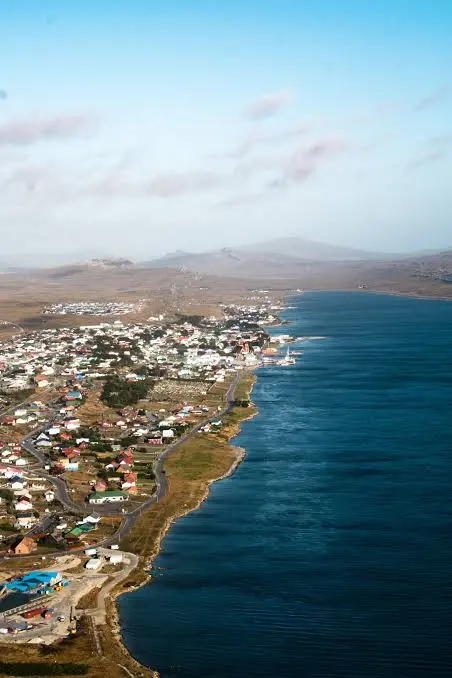
The Falkland Islands are facing renewed economic pressure from Argentina as President Javier Milei’s government targets the territory’s emerging oil industry and signals possible action against its fishing sector. More than four decades after Argentina’s 1982 invasion, residents fear the latest measures could threaten the islands’ economic development and undermine the prosperity they have built. The territory has about 3,600 residents and relies heavily on fishing revenue, tourism and other economic activities.

Lewis Clifton, a member of the Falkland Islands Legislative Assembly, said Argentina’s latest actions represented an unprecedented economic challenge for the small community. Milei’s government has introduced legislation aimed at criminalising companies and individuals involved in the islands’ oil industry, while suggesting that the fishing sector could also face restrictions. The moves come as the Argentine president faces declining domestic polling ahead of an upcoming election, according to The Guardian’s report.

The United Kingdom has reaffirmed its support for the islanders’ wish to remain British. UK representatives Andy Burnham and Foreign Secretary Ed Miliband restated that position and promised legislation that could help protect the islands from the financial effects of Argentina’s sanctions. British military personnel remain stationed at Mount Pleasant, while HMS Medway patrols nearby waters. The dispute has also involved diplomatic representations to Interpol over an Argentine request for arrests connected to the controversy.

Fishing has played a central role in the Falkland Islands’ economic transformation. After the UK allowed the territory to establish a 200-nautical-mile exclusive fishing zone in 1986, licences issued to international fishing fleets generated substantial revenue. The Guardian reported that the islands’ gross domestic product per capita rose from about £2,000 in 1982 to £85,000 in 2025. Tourism also contributes to the economy, with more than 75,000 cruise passengers visiting Stanley each year, although fishing remains the main source of income.
The islands are now looking to offshore oil production to diversify their economy and strengthen long-term financial independence. The Sea Lion oil project, led by Israeli company Navitas Petroleum and its British partner Rockhopper Exploration, could significantly increase economic output if development proceeds. However, pressure from Argentina has already affected the project, with two major contractors reportedly withdrawing. Residents continue to express concern over the historical dispute, while emphasising their determination to protect their livelihoods and pursue economic development.