The Constitution Protects Political Opinion, Islam Encourages Justice and Consultation, and Mosque Regulations Must Apply Equally to All
By The National Patriots
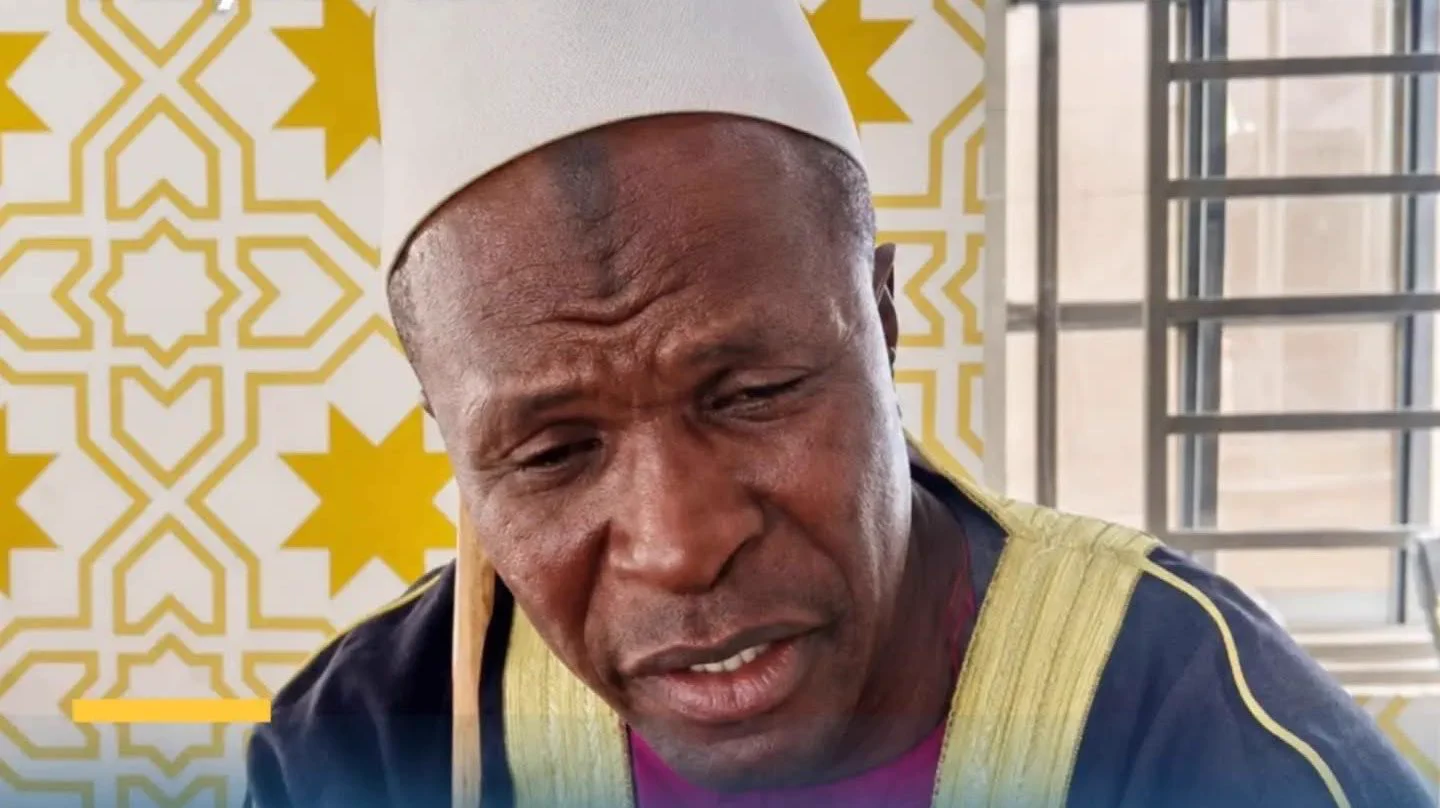
The controversy surrounding Imam Dahiru Abubakar of Masjid Abdullahi Bin Zubbair, Bauchi, following his public support for President Bola Ahmed Tinubu’s re-election, raises important questions about constitutional rights, religious freedom and the increasing intrusion of partisan politics into Nigeria’s mosques.

Media reports have variously described the disciplinary action against the Imam as suspension and removal. This distinction requires clarification.
According to reports, the mosque committee had repeatedly cautioned the Imam against political campaigning during religious gatherings. He also reportedly proposed renaming the mosque after President Tinubu, a suggestion rejected by the committee.
These circumstances deserve consideration. However, the central question extends beyond one Imam: Are rules governing political expression in mosques being applied fairly and consistently, regardless of which political candidate a cleric supports or opposes?
THE CONSTITUTION PROTECTS FREEDOM OF EXPRESSION
Section 39(1) of Nigeria’s 1999 Constitution, as amended, guarantees freedom of expression, including the right to hold opinions and communicate ideas.
Section 38 similarly protects freedom of thought, conscience and religion.
An Imam does not surrender these fundamental rights upon assuming religious responsibilities. Imam Dahiru is entitled to support President Tinubu or any other political leader.

Nevertheless, constitutional protections do not automatically confer unrestricted permission to use a community mosque for partisan campaigning contrary to its established rules.
The legality and fairness of disciplinary action depend on the mosque’s governing arrangements, the Imam’s responsibilities and the procedures followed.
What cannot be justified is selective enforcement of religious discipline based on political preference.
DOES ISLAM PROHIBIT DISCUSSIONS ABOUT GOVERNANCE?
The Holy Qur’an contains no blanket prohibition against discussing leadership, governance or national affairs.
Indeed, Surah Ash-Shura (42:38) commends believers:
“Whose affairs are conducted by mutual consultation.”
This principle of Shura recognises the importance of collective deliberation.
Surah An-Nisa (4:58) similarly emphasises trustworthiness and justice in the exercise of authority.
Historically, mosques have served as centres of worship, education, consultation and community guidance.

Discussing national challenges, public accountability and civic responsibilities is therefore not inherently incompatible with Islamic teaching.
However, religious guidance should not become coercive political mobilisation.
The distinction must be between educating worshippers about civic responsibilities and intimidating them into supporting or rejecting particular candidates.
DISTURBING REPORTS OF POLITICAL INTIMIDATION IN MOSQUES
The National Patriots has received several reports alleging that certain Islamic clerics have warned worshippers that Muslims who support President Tinubu’s re-election will face punishment in the hereafter.
Some reported pronouncements allegedly suggest that supporting the President would condemn believers to hellfire.
These allegations require independent verification, but their seriousness demands attention.
No cleric should presume to determine an individual’s eternal destiny merely because of a political preference.
Judgment in the hereafter belongs to Almighty Allah.
The National Patriots considers threats of divine punishment over electoral choices deeply troubling, particularly when delivered from the authority of the pulpit.
Such pronouncements, if established, risk intimidating worshippers, encouraging religious hostility and undermining the freedom of conscience guaranteed by the Constitution.
Religious leaders may criticise government policies, question political leaders and counsel congregations on justice and accountability.

However, criticism must not become spiritual intimidation.
A Muslim’s electoral preference should not be presented as a definitive judgment on that person’s salvation.
ONE STANDARD FOR EVERY MOSQUE
The National Patriots believes that religious regulations must apply consistently.
If mosque committees prohibit campaigning for President Tinubu, they should equally prohibit campaigning against him or using sermons to threaten those who support his re-election.
Likewise, the same standards must apply to clerics promoting or opposing other political candidates.
There cannot reasonably be one rule for an Imam who supports a President and another for a cleric who condemns that President’s supporters.
This is not a demand for unrestricted political campaigning inside mosques.
It is a demand for fairness, consistency and freedom from intimidation.
Where religious institutions permit discussions about civic duties, such guidance should encourage informed participation, peaceful elections and responsible citizenship without prescribing electoral choices through threats.
LESSONS FROM SAUDI ARABIA AND TURKEY
Other Muslim-majority countries have addressed the relationship between religious leadership and political activity.
In Saudi Arabia, the Ministry of Islamic Affairs supervises mosques and regulates religious preaching, discouraging activities considered politically divisive.
Turkey provides a particularly relevant precedent.

In 2017, Turkey’s Directorate of Religious Affairs investigated an Imam accused of campaigning for a particular outcome in a constitutional referendum.
The institution reaffirmed the importance of political neutrality in religious services.
These examples demonstrate that discussing governance is distinguishable from transforming mosques into partisan campaign platforms.
They do not, however, establish that dismissal is always the appropriate response. Fair procedures, proportionality and opportunities for reconciliation remain important considerations.

THE NEED FOR CLARIFICATION AND TRANSPARENCY
The National Patriots calls upon the management committee of Masjid Abdullahi Bin Zubbair, Bauchi, to clarify the precise status of Imam Dahiru Abubakar.
Conflicting reports have described the disciplinary action as both suspension and removal.
Was the Imam temporarily suspended pending further discussions, or was his appointment terminated? If suspended, what is the duration, and what conditions govern his return?
Such clarification is essential to prevent misinformation, ensure procedural fairness and create an opportunity for reconciliation.

AN APPEAL TO THE SULTAN OF SOKOTO
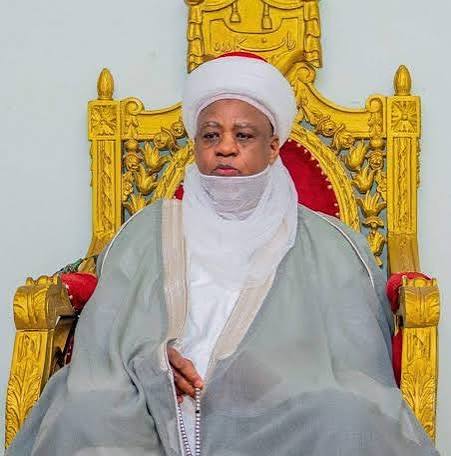
The National Patriots respectfully calls upon His Eminence, Alhaji Muhammad Sa’ad Abubakar III, Sultan of Sokoto and President-General of the Nigerian Supreme Council for Islamic Affairs, to provide clear moral guidance on this increasingly sensitive issue.
The Sultan’s respected position offers an opportunity to encourage consistent standards across Muslim communities.
We urge His Eminence to discourage the use of mosques for partisan intimidation, particularly pronouncements threatening worshippers with divine punishment because of their political preferences.
Where allegations arise, appropriate religious authorities should investigate them fairly.
Mosque administrators should also be encouraged to distinguish between legitimate civic education and coercive political campaigning.
The objective must be religious harmony, not the suppression of lawful political opinions

ISLAM ENCOURAGES JUSTICE AND RECONCILIATION
The Holy Qur’an provides important guidance.
Surah Al-Ma’idah (5:8) instructs believers to uphold justice, even towards those with whom they disagree.
Surah Al-Hujurat (49:10) declares:
“The believers are but brothers, so make settlement between your brothers.”
These teachings encourage fairness, dialogue and reconciliation.
The Bauchi mosque committee reportedly issued repeated warnings before taking disciplinary action against Imam Dahiru. Those efforts should be acknowledged.
Nevertheless, respected Islamic scholars and community elders could facilitate further dialogue, allowing both parties to explore an amicable resolution.

FOOD FOR THOUGHT
The Hausa proverb reminds us:
“Zama lafiya ya fi zama ɗan sarki.”
Living in peace is better than being a prince.
A mosque should unite believers in worship, not divide them according to political allegiance.
No political ambition should become a test of religious belonging, and no cleric should claim authority over the eternal destiny of worshippers because of their votes.
THE NATIONAL PATRIOTS POSITION
The National Patriots recognises Imam Dahiru Abubakar’s constitutional right to express his political convictions while respecting the mosque committee’s responsibility to preserve institutional discipline.

We call upon the committee to clarify whether its decision constitutes a temporary suspension or permanent removal and to explain the applicable procedures.
We advocate reconciliation through respected Islamic scholars and community elders, with reinstatement considered where an acceptable understanding can be reached.
Equally, we call for impartial investigation of reports that worshippers are being threatened with divine punishment for supporting President Tinubu.
Religious leaders must remain free to discuss justice, governance and national responsibilities. However, political persuasion must never become spiritual coercion.
We respectfully urge the Sultan of Sokoto and relevant Islamic authorities to encourage clear, consistent guidance that protects religious harmony and freedom of conscience across Muslim communities.
The Constitution protects freedom of expression. The Qur’an encourages consultation and justice. Islamic brotherhood demands reconciliation.
These principles must apply to everyone, irrespective of political affiliation.
Islam is a religion of peace. Its sacred institutions should remain sanctuaries of worship, compassion, justice and unity.
May Almighty Allah grant our religious leaders wisdom and guide our nation towards peaceful coexistence.
The National Patriots
Principal Sources: Constitution of the Federal Republic of Nigeria (1999, as amended), Sections 38–39; Holy Qur’an, Surahs 42:38, 4:58, 5:8 and 49:10; Daily Trust; Politics Nigeria; Saudi Ministry of Islamic Affairs; Turkish Directorate of Religious Affairs.