

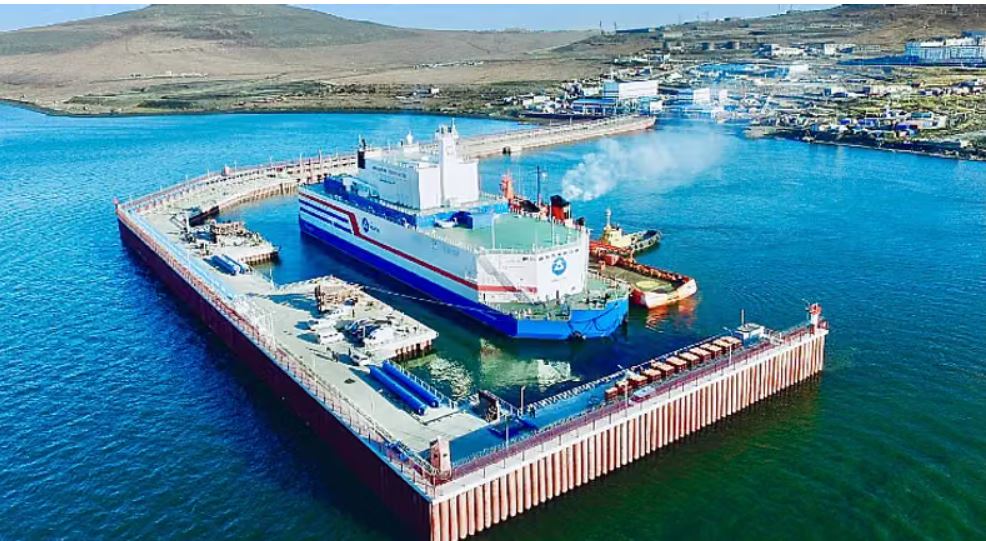
Russia’s state-owned nuclear energy corporation, Rosatom, is in advanced discussions with four African countries over plans to supply floating nuclear power plants capable of generating 100 megawatts of electricity each.
The countries involved are Egypt, Togo, Namibia and Tanzania, according to Rosatom Chief Executive Alexei Likhachev, who disclosed the discussions during the Russia–Africa Summit in Moscow on October 28, 2026.

The proposed facilities would use compact nuclear reactors installed aboard vessels that can be towed to coastal locations and connected to national electricity grids. The technology is designed to provide nuclear-generated electricity without requiring countries to construct conventional nuclear power stations on land.
Rosatom is offering floating units equipped with RITM-200M reactors adapted for warmer climates. The company says the facilities could operate for up to 60 years, with maintenance and nuclear fuel refuelling handled in Russia.
Under the proposed arrangement, Rosatom would supply electricity through power purchase agreements, allowing participating countries to pay for the energy generated rather than independently managing all aspects of nuclear power production.
However, no construction contracts, project costs or deployment schedules have been announced for the four African countries.

Why Africa Is Being Targeted
Rosatom has identified 38 African countries with coastlines potentially suitable for hosting its floating nuclear power units. The company believes the technology could help coastal nations expand electricity generation while reducing the amount of infrastructure required on land.
The proposed plants could supply electricity to urban centres, industrial facilities, mining operations and desalination plants. They could also support economic activities that require a reliable and consistent power supply.
Egypt already has an established nuclear energy project under construction at El Dabaa, where Russia is building four conventional reactors with a combined capacity of 4,800 megawatts.
Togo has also taken an initial step towards nuclear cooperation by signing a memorandum of understanding with Rosatom to explore potential projects, staff training and other peaceful applications of nuclear technology.
Namibia, a major uranium producer, and Tanzania are also exploring opportunities for nuclear energy development, although neither currently operates a commercial nuclear power station.
Challenges and Future Prospects
Despite the potential benefits, floating nuclear power plants would still require suitable coastal facilities, electricity grid connections, regulatory approvals and comprehensive nuclear safety arrangements.
Participating governments would also need to consider financing terms, electricity prices, emergency-response systems and the long-term management of nuclear waste and other safety responsibilities.
Reliance on a foreign supplier for fuel, maintenance and specialised technical services could also create long-term dependencies that governments would need to evaluate carefully.
Rosatom already operates the Akademik Lomonosov floating nuclear power station in Russia, which began commercial operations in 2020. The company has also reached an agreement involving two proposed floating nuclear units for Indonesia, with a combined generating capacity of 200 megawatts.
If the African discussions progress to formal agreements, the projects could introduce a new approach to electricity generation on the continent. Their eventual success will depend on commercial viability, regulatory readiness and the ability of participating countries to manage the technology safely over the long term.