


Portfolio investment rises to $19.74bn and direct investment grows 36.8%, highlighting renewed market interest and opportunities for industrial expansion.
By Princess Gloria Adebajo-Fraser, MFR
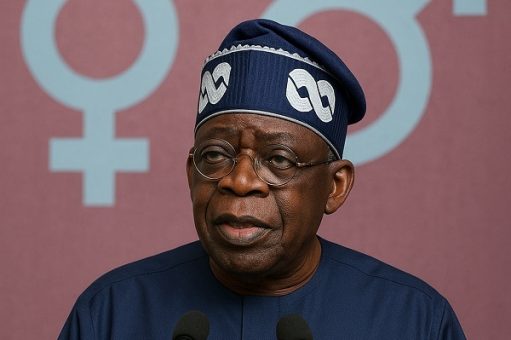
Nigeria recorded $23.22 billion in capital importation in 2025, up from $12.32 billion in 2024, an increase of approximately 88.5 per cent. The figures provide a notable measure of renewed foreign investor participation during President Bola Ahmed Tinubu’s economic reform programme.
Data attributed to the National Bureau of Statistics show foreign portfolio investment rising from $8.38 billion to $19.74 billion, while foreign direct investment (FDI) increased from approximately $675 million to $923 million, a gain of 36.8 per cent.

These developments offer encouraging evidence of recovering international financial interest. They also clarify the next challenge: translating greater capital inflows into factories, agricultural output, exports and sustainable employment.
REFORMS AND INVESTOR PARTICIPATION
Since May 2023, the Tinubu administration has undertaken major changes to petrol subsidies, foreign-exchange arrangements and public finances. The measures have been difficult for households and businesses, but the government argues they are necessary to restore stability and establish more predictable conditions for investment.
Nigeria’s increased inflows are consistent with renewed investor appetite for naira-denominated assets. Attractive yields on Treasury bills and bonds have also been important drivers, so the rise should not be attributed solely to policy reforms.
Portfolio investment provides liquidity to financial markets and can support foreign-exchange supply. Its drawback is that investors can withdraw funds relatively quickly when global interest rates or perceptions of risk change. That makes macroeconomic discipline and dependable market rules essential.
DIRECT INVESTMENT RECORDS GROWTH
The increase in FDI to $923 million deserves attention alongside the larger portfolio figures. Direct investment can finance enterprises, equipment and business expansion, potentially bringing technology, skills and employment opportunities.
Nevertheless, FDI represented less than four per cent of total 2025 capital importation. Nigeria therefore has room to attract more investors prepared to make long-term operating commitments, rather than principally hold financial instruments.
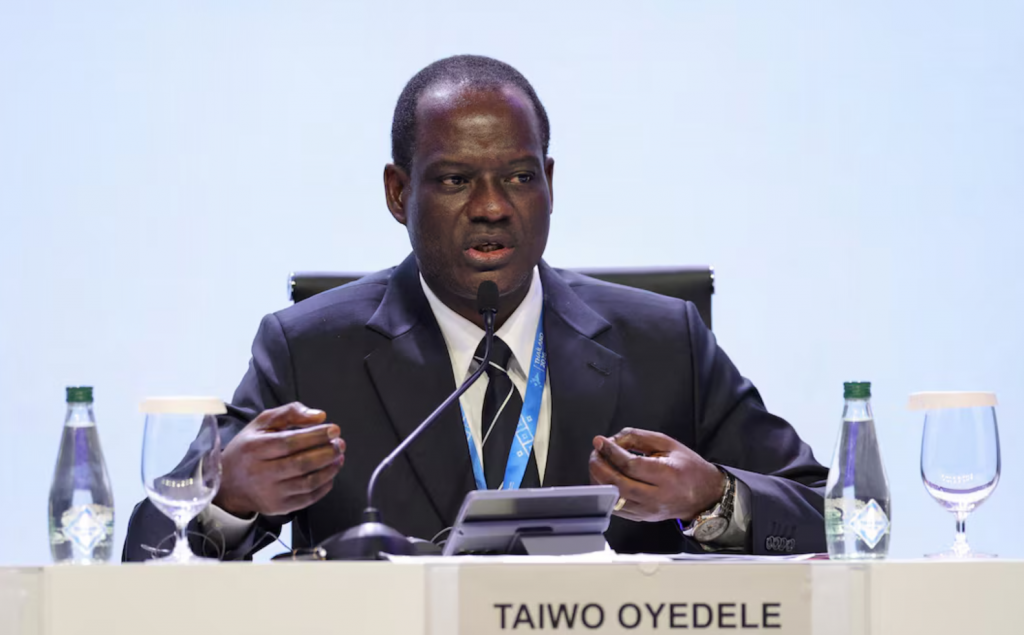
For manufacturers and infrastructure developers, investment decisions depend on reliable electricity, security, transport networks, access to land, clear taxation and enforceable contracts. Improvements in these areas would complement financial-market reforms and make productive investment more attractive.
AGRICULTURE, INDUSTRY AND TRADE OPPORTUNITIES
The administration’s next investment priorities can build on Nigeria’s substantial domestic market and natural resources. Irrigation, agricultural mechanisation, food processing and storage could help increase year-round production and reduce post-harvest losses.
Manufacturing requires affordable power and efficient logistics. Recent electricity-sector decentralisation creates opportunities for states and private operators to develop generation and distribution solutions appropriate to industrial clusters.

Trade facilitation is equally important. The National Single Window initiative aims to simplify procedures and improve coordination for businesses importing inputs or exporting Nigerian goods. Its impact will depend on effective implementation and measurable reductions in delays and costs.
State governments have a significant role in providing investment-ready land, infrastructure, transparent permits and reliable local services. Productive investment should be a shared federal and state priority.
SUSTAINING THE MOMENTUM IN 2026
Reported capital importation reached approximately $10.37 billion in the first quarter of 2026, an increase of 83.8 per cent over the corresponding quarter of 2025. Portfolio flows again dominated, while FDI was approximately $135 million.

The quarterly figures indicate continued international engagement, but they also reinforce the need to diversify the composition of inflows. Government should track not only investment announcements and financial transactions but also operational factories, capital expenditure, new jobs and export growth.
The recovery in capital importation is a meaningful development under the Tinubu administration. Sustaining it will require stable policies, improved infrastructure and further reductions in the cost of doing business.
Nigeria’s opportunity is to convert renewed financial-market confidence into lasting productive investment—and ensure that economic gains reach households through employment, increased supply and stronger purchasing power.
Princess Gloria Adebajo-Fraser MFR FIPMD is the President of the National Patriots and a member of the APC-PCC Strategic Communications Team.




