

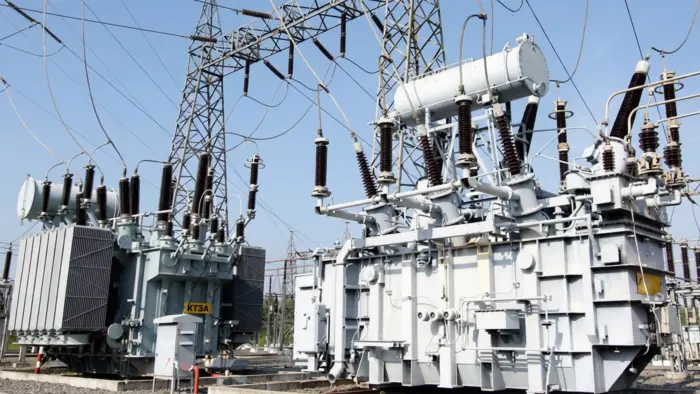
Proposed East–West network targets transmission capacity of at least 19,000MW, with procurement underway and delivery projected within two years
Headlinenews.News | November 10, 2026
Nigeria cannot build a competitive industrial economy on unreliable electricity. Factories need power to produce, businesses need it to expand, and households need it for a better quality of life. The Federal Government’s proposed $2 billion East–West Super Grid addresses a critical part of that challenge: moving electricity reliably across the country.

Minister of Power Joseph Tegbe announced the plan during an interview on TVC Breakfast, saying procurement had commenced and delivery could be achieved within two years. The proposed infrastructure is intended to strengthen the existing national grid and support transmission capacity of at least 19,000 megawatts.
CONNECTING POWER WITH PRODUCTION
The proposed network would connect Funtua, Gwagwalada, Ikot-Ekpene, Benin, Epe and Ilorin, linking important transmission corridors across different regions.
For manufacturers, the significance extends beyond additional equipment. Reliable electricity can reduce production interruptions, protect machinery, improve delivery schedules and make expansion more commercially attractive. Agro-processors need dependable power for milling, refrigeration, storage and packaging; digital businesses require it for connectivity and continuous operations.
Smaller enterprises stand to benefit too. Welders, tailors, printers, mechanics and shop owners often face difficult choices between running generators and limiting operating hours. Better electricity service could release resources for wages, stock and investment.
These benefits are prospective, but the economic logic is clear: stronger power infrastructure supports productivity, employment and competitiveness when it results in reliable service.
UNDERSTANDING THE 19,000MW TARGET
The 19,000MW figure is a transmission-capacity target, not electricity already being generated or supplied to consumers. Transmission infrastructure carries electricity; generating plants must first produce it, and distribution networks must deliver it to homes and businesses.
The Nigerian Electricity Regulatory Commission’s September 2026 factsheet recorded average hourly generation of 4,089MW from grid-connected plants. That operational figure measures electricity generated during the month and must not be confused with the future network capacity envisaged under the proposal.

The Super Grid would complement the existing national grid rather than replace it. Its intended contribution is greater resilience and capacity to move power, alongside improvements elsewhere in the electricity system.
EXPANSION ALONGSIDE REHABILITATION
Tegbe identified ageing transmission infrastructure as a major constraint, saying some facilities were more than 50 years old. A technical audit is intended to identify equipment requiring repair, rehabilitation or replacement.
The wider programme includes targeted interventions at important supply nodes. Following an earlier Federal Executive Council meeting, government announced approvals for a line linked to the Katampe Transmission Substation, three 300MVA transformers for Ikeja West, and the upgrade of the 35.6-kilometre Itumola–Mapasin–Sagamu transmission line to a double-circuit configuration.

This combination of network expansion and rehabilitation is significant. Building new capacity addresses future demand, while restoring weak infrastructure can improve service from assets already in place.
Transmission investment must be matched by adequate generation, dependable gas supply, effective distribution and commercially sustainable operations. Otherwise, stronger lines could remain underused or additional electricity could encounter bottlenecks before reaching customers.
The distinction also matters for industrial planning. A manufacturer deciding whether to reopen a production line needs dependable service at the factory gate, not simply a national capacity announcement.
For public services, the same principle applies: hospitals need equipment running, schools need usable electricity, and water facilities need dependable pumping. The practical objective is continuity of service across the economy.
FROM INVESTMENT TO EVERYDAY BENEFITS
Tegbe distinguished the proposed project’s delivery period from the broader task of achieving stable electricity supply, describing a three-to-five-year horizon for wider improvements.
“Infrastructure build out is not done overnight,” he said, explaining that growing demand from digital services, data infrastructure and home-based work requires additional capacity.
The estimated $2 billion investment and commencement of procurement mark important planning steps. Clear information on financing, contracts, construction milestones and commissioning would help Nigerians follow implementation and understand when particular improvements should become available.

A published delivery schedule could identify priority corridors, expected service improvements and responsible agencies, giving communities and investors a clearer basis for assessing progress as construction moves forward.
The strongest evidence of success will be more dependable service hours, fewer interruptions, reduced production downtime and less reliance on backup generation. These are gains that households and businesses can recognise directly.
President Bola Ahmed Tinubu’s administration deserves commendation for advancing a proposal directed at a fundamental obstacle to national development. Strengthening transmission while rehabilitating existing infrastructure is a substantive policy step towards a more productive economy.
Successful execution would give practical meaning to “From Reforms to Prosperity”: infrastructure investment supporting functioning enterprises, essential services and better everyday living conditions. The opportunity now is to convert that ambition into dependable electricity and enduring economic value.

NATIONAL PATRIOTS POSITION
The National Patriots commend the Tinubu administration for advancing this important electricity infrastructure initiative. Stronger transmission can support industrial growth, employment and improved household wellbeing. The desired dividend is measurable: dependable supply, fewer interruptions and reduced generator dependence. Effective coordination, timely execution and sustained maintenance will help turn this investment into lasting benefits for businesses and people throughout the country.
Princess Gloria Adebajo-Fraser, MFR
President, The National Patriots
Member, APC-PCC Strategic Communications Committee 2027




