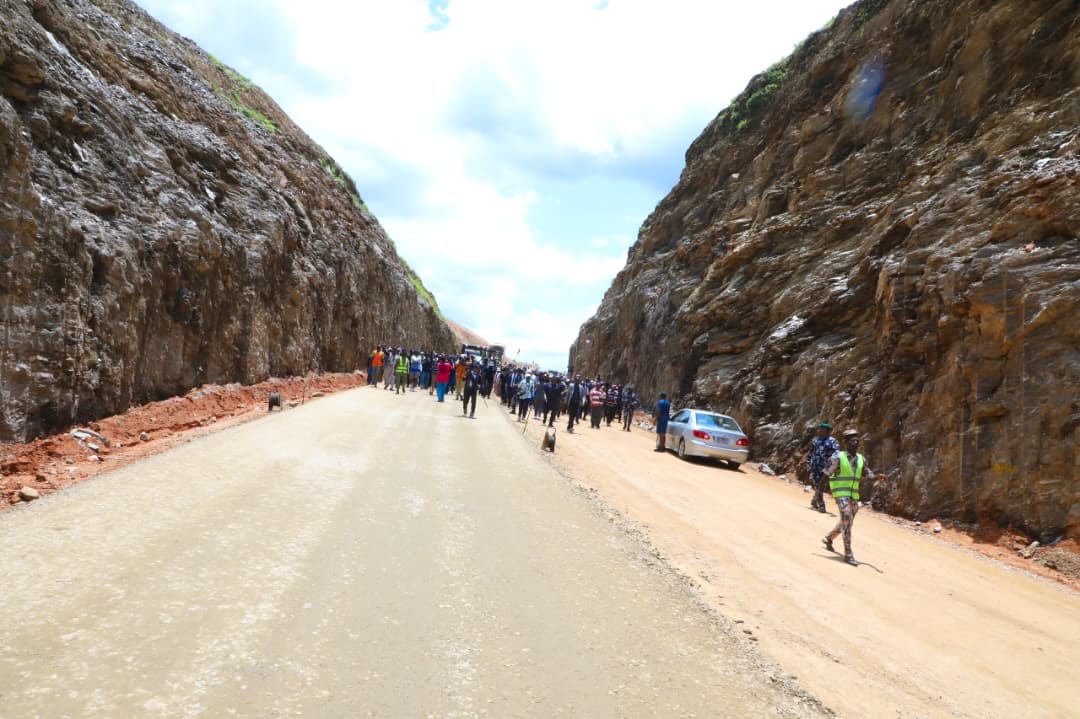
Renewed construction highlights the importance of infrastructure funding, better connectivity and economic opportunities for Abuja’s satellite communities
ABUJA, NOVEMBER 2, 2026
After approximately fifteen years of delays, Abuja’s 13.5-kilometre Apo–Karshi Road is approaching a critical milestone following the Federal Capital Territory Administration’s decision to replace the original contractor and accelerate construction under President Bola Ahmed Tinubu.
The road, linking the Apo axis of Abuja with Karshi and surrounding satellite communities, is expected to provide an alternative route for thousands of commuters who depend on the congested Nyanya–Mararaba corridor. It also illustrates how public investment in transport infrastructure can generate benefits extending well beyond the road itself.
A LONG-DELAYED PROJECT REVIVED
The Apo–Karshi project was originally awarded around 2010–2011 to Kakatar Engineering Limited, reportedly for approximately ₦6.4 billion, with an initial completion period of about twenty months. Instead, construction was prolonged by engineering challenges, funding constraints and repeated missed deadlines.
A difficult rocky section along the alignment became a major obstacle, while successive administrations struggled to bring the road into service. For residents, the consequences included continued dependence on crowded alternative routes and uncertainty over when the promised connection would materialise.
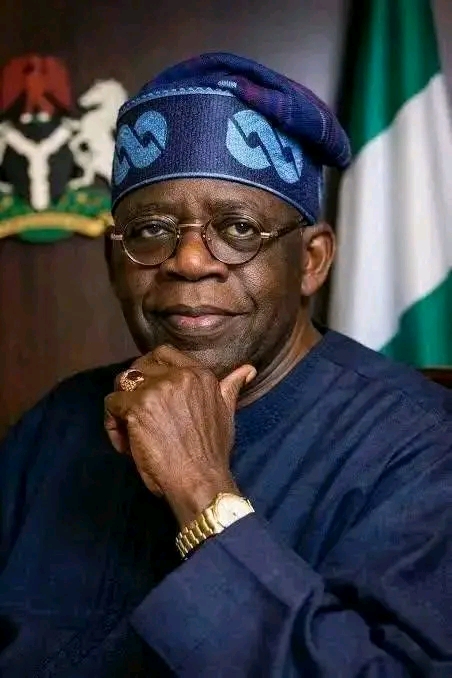
In November 2025, FCT Minister Nyesom Wike terminated the original contract and re-awarded the work to SCC Nigeria Limited. The decision marked a significant change in the administration of a project that had remained unfinished for more than a decade.
Subsequent inspections and official statements indicated accelerated work, with completion targeted for November or December 2026. As of November 2, however, the available reporting does not establish that the full road has been commissioned or opened to unrestricted traffic.
WHY THE ROAD MATTERS
For commuters, an additional corridor could reduce dependence on the AYA–Nyanya–Mararaba route, where congestion frequently imposes costs in time, fuel and productivity. The extent of those savings will depend on the road’s final connections, traffic management and actual usage after opening.

For traders and transport operators, improved access can lower vehicle operating costs, reduce delivery uncertainty and expand the reach of businesses serving Karshi and adjoining communities. Farmers and food distributors may also benefit from more dependable movement of produce to urban markets, although measurable effects on food prices cannot be assumed in advance.
For families, improved roads can make schools, hospitals and workplaces easier to reach. Emergency vehicles may gain alternative access when existing routes are blocked. Over time, better connectivity can support housing development and private investment in satellite settlements, provided drainage, public transport, safety and other essential services keep pace.
These benefits explain why road construction should be assessed not merely by kilometres laid, but by the economic and social activity the infrastructure enables.
THE VALUE OF CAPITAL FUNDING
The Apo–Karshi experience also underscores the cost of allowing major public works to stall. Prolonged delays can erode the value of earlier spending, expose unfinished structures to deterioration and leave communities without the services for which public funds were committed.
Reliable funding, realistic engineering designs, competent contractors and consistent supervision are therefore indispensable. More money alone does not guarantee better roads; procurement discipline, transparent costs, quality assurance and maintenance must accompany expenditure.
The Tinubu administration has emphasised increased infrastructure investment alongside wider fiscal and revenue reforms. In principle, stronger public revenues can provide governments with greater capacity to fund transport links, schools, healthcare facilities and other capital projects. But any claim that a particular revenue reform directly financed Apo–Karshi would require project-specific budget and disbursement records.

The road began long before Tinubu assumed office in May 2023. The administration’s identifiable contribution is the decision under Wike to end the prolonged contracting arrangement, engage a new contractor and pursue completion. The revised contract value and total expenditure should be published so citizens can evaluate value for money.
FROM CONSTRUCTION TO LASTING DELIVERY
Attention must now turn to completing the corridor to specification, certifying safety, providing functioning drainage and streetlighting, and ensuring that the route connects effectively with the wider Abuja road network.
Road markings, pedestrian protection, junction design and enforcement against dangerous driving will influence whether the investment translates into safer journeys. A funded maintenance plan will also be necessary to preserve the asset after commissioning.

For Abuja residents, the ultimate test will be practical: shorter and more reliable journeys, easier access to markets and services, and demonstrable improvements in the movement of people and goods.
The Apo–Karshi Road offers an opportunity to convert a long-running infrastructure promise into a functioning public asset. If completed and properly maintained, it could stand as an example of how sustained capital investment, decisive project management and accountable delivery can improve daily life across the Federal Capital Territory.
The broader lesson is straightforward: infrastructure funding matters most when completed projects deliver measurable benefits to the people who use them.

THE NATIONAL PATRIOTS’ POSITION
The National Patriots commend President Tinubu’s indefatigable commitment to transforming Nigeria through infrastructure development and increased investment. We applaud FCT Minister Nyesom Wike’s milestone achievements, which we consider to have surpassed those of his predecessors in transforming Abuja. The revival of the long-delayed Apo–Karshi Road exemplifies this determination. Better roads connect communities, stimulate commerce, reduce transportation costs and improve livelihoods, delivering lasting benefits to Nigerians across the nation.

Princess Gloria Adebajo-Fraser, MFR
President, The National Patriots
Member, APC-PCC Strategic Communications Team