

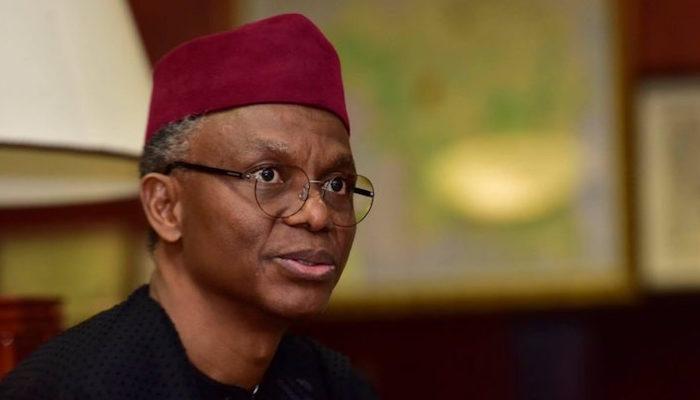
Former Kaduna State Governor and African Democratic Congress (ADC) chieftain, Mallam Nasir El-Rufai, remains in the custody of the Economic and Financial Crimes Commission (EFCC) in Abuja, contrary to claims by some of his allies that he had been released.

Officials familiar with the ongoing investigation say the former governor is undergoing extensive interrogation over alleged financial misconduct during his tenure as Kaduna State governor. According to the sources, the scope of the probe may necessitate a court-approved remand to allow investigators sufficient time to consolidate their case.

El-Rufai honoured an invitation from the EFCC and presented himself for questioning following months of scrutiny over his administration between 2015 and 2023. His appearance followed the submission of a report by an ad hoc committee of the Kaduna State House of Assembly, which investigated loans, contracts, and financial activities under his government.

The committee alleged that several loans secured during the period were either misapplied or obtained without due process. It further accused the former administration of allegedly diverting about ₦423 billion, leaving the state burdened with significant liabilities. The panel recommended that El-Rufai and some former cabinet members be investigated and prosecuted for alleged abuse of office, diversion of public funds, and money laundering. It also called for the suspension of the former Commissioner for Finance.

El-Rufai had previously dismissed the allegations, insisting that his administration operated with integrity and describing the findings as politically motivated.
Meanwhile, the Department of State Services (DSS) has filed criminal charges against the former governor at the Federal High Court in Abuja, accusing him of unlawfully intercepting private communications belonging to the National Security Adviser. The charges reportedly stem from statements he made during a televised interview in which he suggested that security agencies attempted to arrest him based on intercepted communications.

The federal government maintains that the alleged interception constitutes a serious breach of cybercrime and communications laws and poses a threat to national security. Court filings also accuse El-Rufai of failing to report those allegedly involved in the act to appropriate authorities.
Beyond the EFCC and DSS cases, El-Rufai has also confirmed receiving an invitation from the Independent Corrupt Practices and Other Related Offences Commission (ICPC), which he said he would honour on a later date.

As investigations continued, protests erupted in Kaduna, with demonstrators demanding transparency and updates on the legislature’s probe into the former governor’s administration. Protest leaders called for accountability over alleged financial mismanagement, human rights concerns, and uncompleted projects, urging anti-corruption agencies to pursue the matter in line with due process.
Former Vice President Atiku Abubakar, however, has criticised the federal government’s actions, describing the investigations as political persecution. He argued that despite the challenges facing El-Rufai, his record in public service and leadership qualities remain significant.
The unfolding developments have intensified political debate nationwide, with many observers closely watching how the investigations may shape accountability and opposition politics in the lead-up to the 2027 general elections.




