

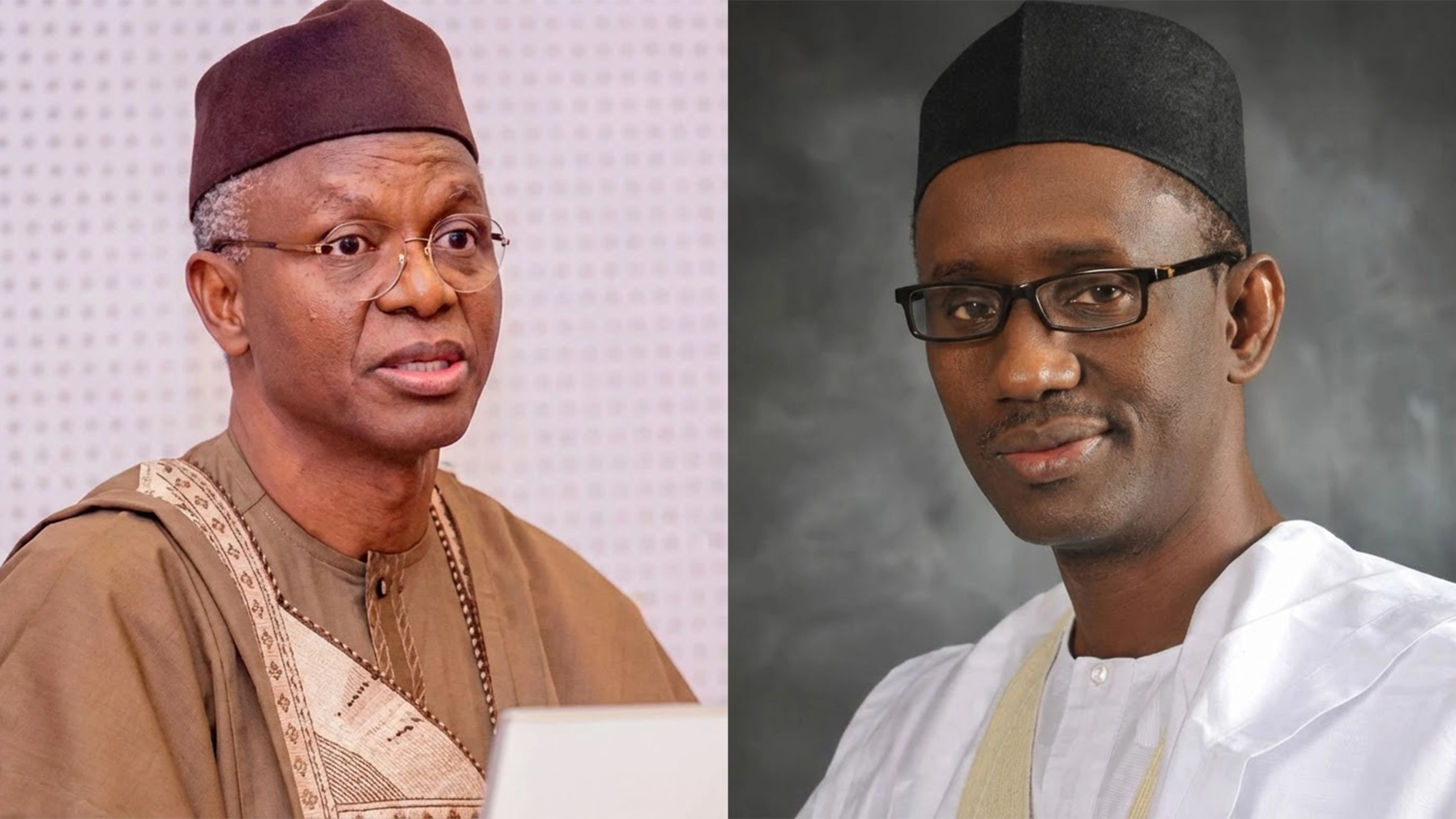
Mr Akin Osuntokun, former Political Adviser to President Olusegun Obasanjo and ex-Director-General of the 2023 Labour Party Campaign Council, has detailed the origins of the personal and political fallout between former Kaduna State governor Malam Nasir El-Rufai and the National Security Adviser, Malam Nuhu Ribadu.

In an interview aired on Arise News PRIMETIME, Osuntokun traced the rift back to 2011, when Senator Bola Tinubu, then former governor of Lagos State, reportedly conducted a secret public opinion poll to determine the preferred presidential candidate of the defunct Action Congress of Nigeria (ACN). According to Osuntokun, the poll gave Ribadu an edge over El-Rufai, which sowed the seeds of discord between the two former allies.

Osuntokun also recounted a 2006 caucus convened by President Obasanjo to guide the selection of the Peoples Democratic Party’s (PDP) presidential candidate. While El-Rufai and Ribadu were initially favoured by some members of the caucus, Obasanjo ultimately chose Umaru Musa Yar’Adua, citing the governor’s credibility, integrity, and strategic position among northern leaders.

The former presidential adviser explained that the 2006 outcome, though disappointing to El-Rufai, did not immediately cause a rift between him and Ribadu. The tension reportedly escalated later, particularly around the 2011 ACN presidential nomination, when Ribadu gained Tinubu’s backing, while El-Rufai felt sidelined. Osuntokun noted that the episode led to the eventual exile of both figures at different points and contributed to their enduring political rivalry.

“While they were both efficient public officers with high profiles, the dynamics of political endorsements and Tinubu’s secret polling process created bad blood that El-Rufai never fully got over,” Osuntokun said. He added that the dispute further intensified during ministerial appointments under President Tinubu, with El-Rufai perceiving Ribadu as influencing key decisions to his disadvantage.

The interview sheds light on the personal and political tensions between two prominent northern leaders and contextualises their complex relationships within Nigeria’s broader political landscape.




