

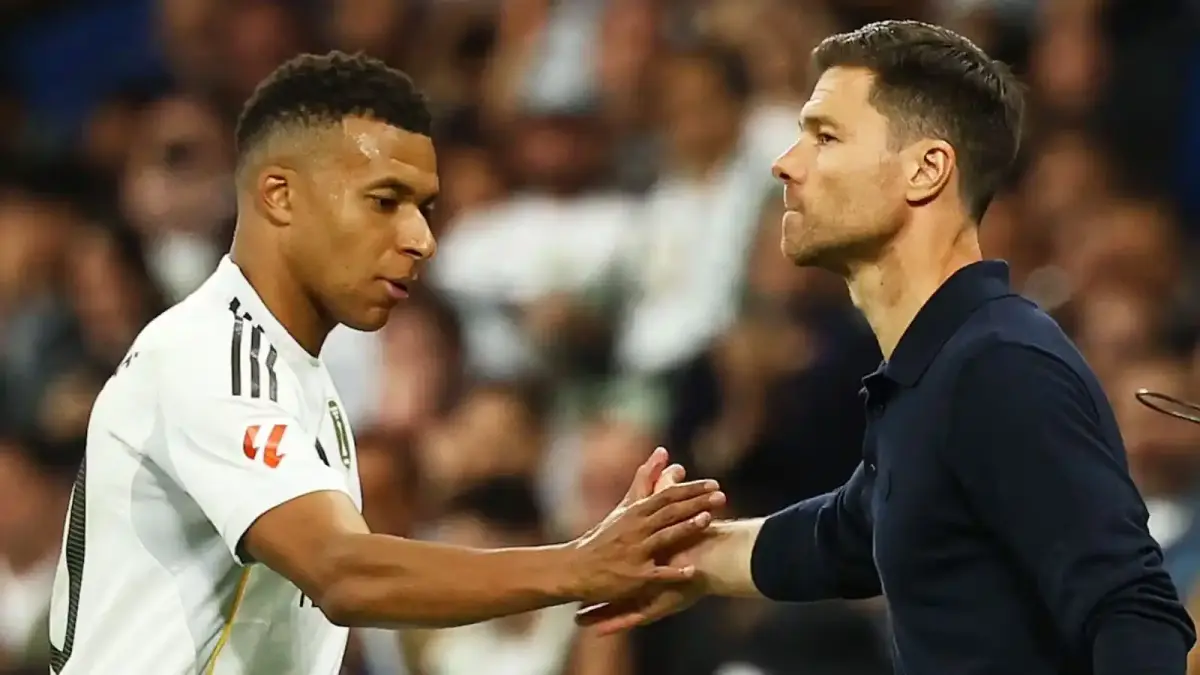
Xabi Alonso’s short spell as Real Madrid manager ended abruptly after only seven months, undone by a combination of poor results, internal politics and a visible erosion of authority within the squad.
From the outset, Alonso never enjoyed full confidence from club president Florentino Pérez. Although he arrived after guiding Bayer Leverkusen to a historic Bundesliga title, the former midfielder was not given the level of institutional backing usually extended to Real Madrid coaches.

One of the clearest signs of this was the club’s refusal to strengthen the midfield as Alonso requested. His push to sign Real Sociedad and Spain midfielder Martín Zubimendi was repeatedly ignored, and the player eventually joined Arsenal. Alonso viewed Zubimendi as crucial to restoring balance in Madrid’s midfield, leaving him frustrated and under-resourced.
This lack of support was reflected across the transfer window. The club failed to land a major “Galáctico” signing, with Trent Alexander-Arnold’s free transfer emerging as the most notable addition. For a club known for bold transfer statements, the quiet window highlighted Pérez’s doubts about Alonso’s long-term vision and left the coach working with a squad he believed was incomplete.

On the field, results worsened the situation. Between November and December, Real Madrid managed just two wins in eight matches, sparking serious concern inside the club. Although performances later showed signs of improvement, confidence in Alonso had already been shaken.
Internally, the Spanish Super Cup was seen as a defining moment for the coach’s future. That turning point came in the Supercopa de España final loss to Barcelona, where Alonso’s authority visibly crumbled. After the dramatic 3–2 defeat, videos surfaced showing Kylian Mbappé instructing teammates not to form a guard of honour for Barcelona, directly contradicting Alonso’s orders. Mbappé’s stance prevailed, leaving the coach exposed and powerless.
The footage quickly spread online, drawing heavy criticism of the French forward while also portraying a manager who had lost control of his dressing room. For Pérez, the incident was as damaging as the defeat itself, revealing a growing disconnect between Alonso and his players, particularly the club’s biggest star.

In an environment like Real Madrid, where hierarchy and discipline are essential, such a loss of authority is rarely tolerated. The Super Cup defeat also marked Madrid’s third straight cup final loss to Hansi Flick’s Barcelona, following the previous Super Cup and the 2025 Copa del Rey final.
With Madrid sitting four points behind Barcelona in La Liga and without any trophies to show for the season, Pérez concluded that a managerial change was unavoidable.
Despite the sudden dismissal, Alonso’s standing in European football remains strong. His success at Bayer Leverkusen, where he ended Bayern Munich’s domestic dominance, continues to earn widespread admiration. He is still regarded as a top-level coach and has previously been linked with elite Premier League roles, including Liverpool before Arne Slot’s appointment.

In the end, Alonso’s exit was not caused by one bad result but by a wider breakdown — limited backing from above, diminishing control of the squad, and a club president unwilling to wait for long-term stability. At Real Madrid, such circumstances almost always lead to the same outcome.



