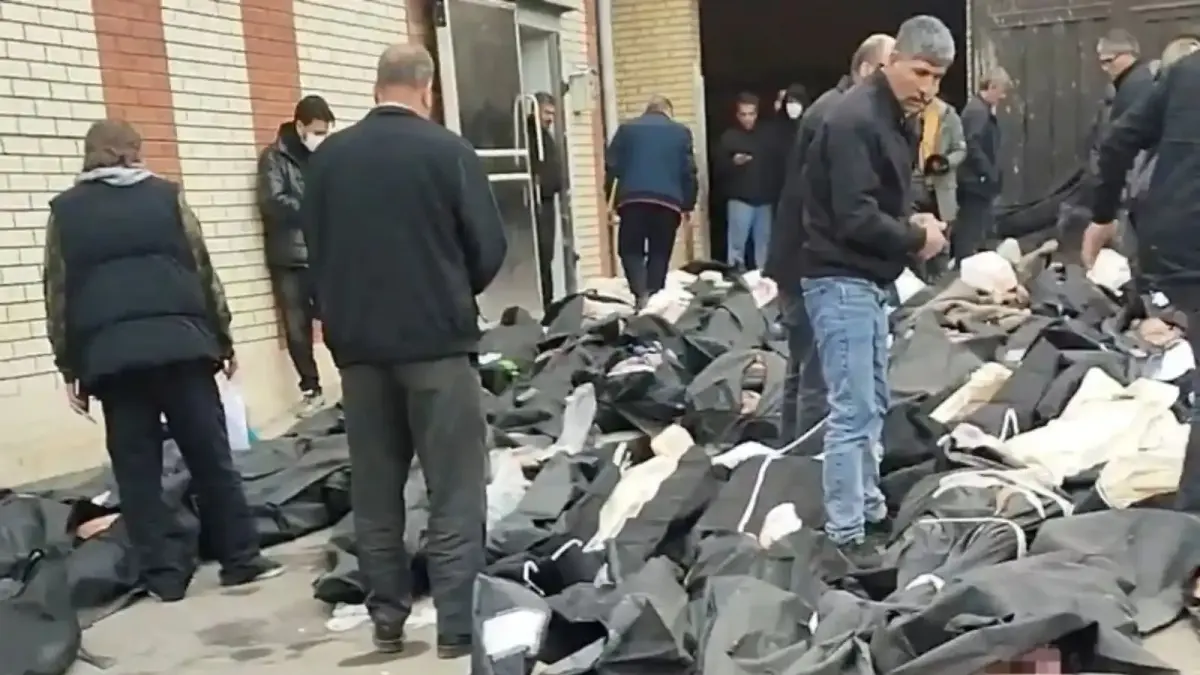
Hundreds of protesters have reportedly lost their lives, and thousands more have been detained after Iran’s government launched a severe crackdown in response to widespread demonstrations.
The US-based Human Rights Activist News Agency reported that at least 490 demonstrators and 48 security personnel have died, with more than 10,600 people arrested over two weeks of unrest.

Iranian Foreign Minister Abbas Araghchi stated on Monday, January 12, that “the situation has come under total control,” though no evidence was provided to support the claim.
In Washington, President Donald Trump and his national security advisors are considering a range of responses to the escalating crisis.
“The military is looking at it, and we’re exploring some very strong options,” Trump said while speaking to reporters on Air Force One.
On Iran’s warnings of potential retaliation, the President added, “If they do that, we will hit them at levels that they’ve never been hit before.”

Anonymous sources have indicated that possible actions could include cyber operations or targeted strikes, potentially carried out by the U.S. or Israel.
While Trump’s administration is reportedly arranging a diplomatic meeting with Tehran, the President suggested that immediate action may be necessary due to the mounting casualties and ongoing arrests of protesters.
“I think they’re tired of being challenged by the United States. Iran wants to negotiate,” Trump said. “The meeting is being arranged, but we may need to act before it happens because of what’s taking place on the ground.”

Iranian authorities have warned that U.S. and Israeli forces could be considered “legitimate targets” if they intervene to protect demonstrators.
The Iranian government has not released comprehensive casualty figures, and international monitoring has been hampered by restrictions on internet and phone access in the country.
Should the U.S. intervene to support protesters, or let Iran handle the crisis internally? Share your opinions in the comments.