

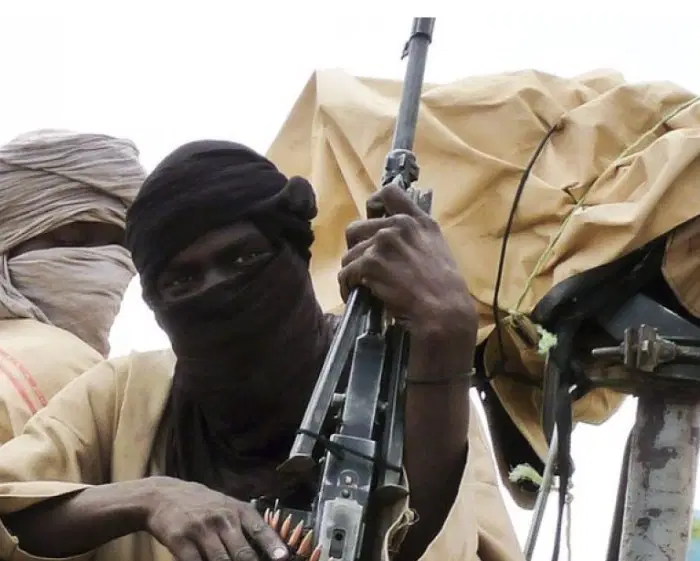
In the past few weeks, the nation has been thrown into turmoil with alarming security breaches and kidnappings. These include the brazen murder of Brigadier-General Musa Uba, Commander of the 25 Task Force Brigade in Borno, by ISWAP/Boko Haram terrorists, the kidnapping of 25 students from Government Girls Secondary School in Maga, Kebbi State, and the mass abduction of over 200 pupils and teachers from St Mary’s Primary School in Niger State. Thursday also saw reports of 30 more kidnapping cases in the Federal Capital Territory and Niger State.
Reporters reached out to retired generals across the military, intelligence, and other security formations with high-level strategic training to comment on the upsurge of these breaches, as more kidnappings occurred in Edo and other states during the week. We asked what could be done to restore confidence among the public and security operatives.
The generals consulted included former GOCs, AOCs, FOCs, field commanders, and commandants of specialized military training institutions. Some admitted they were tired of repeating recommendations, as several solutions had been proposed in the past.

No political will before now
One retired general, who spoke on condition of anonymity, said: “These incidents are undeniably tragic and raise serious concerns about operational security, intelligence leaks within the military, and interference from outside the chain of command. Our ranks and equipment have been infiltrated. Authorities know what to do, but until now there has been no political will to stop this. May the soul of Brig Gen Uba rest in peace. May the Good Lord comfort his family. We hope the innocent girls, children, and teachers who were kidnapped will be safely rescued.
“These events highlight the need for enhanced operational security protocols and proactive measures. Several factors may have contributed, including compromised communication channels. The interception of location coordinates by terrorists and bandits indicates vulnerabilities in military communications, potentially due to unencrypted or poorly secured transmissions.
“The possibility of informants within military ranks or among local associates leaking information to Boko Haram cannot be dismissed. Delays in reinforcements or failure to respond to distress signals may have allowed insurgents to target individuals successfully. Boko Haram has demonstrated advanced intelligence capabilities and the ability to execute coordinated attacks, suggesting surveillance networks and informants.
“Investing in encrypted communication devices and ensuring comprehensive training for personnel is essential. Vetting processes must be strengthened, and personnel monitored for collusion with insurgents. Swift reinforcement and rescue protocols will reduce opportunities for insurgents to act on intercepted information. Deception strategies, like broadcasting false coordinates, can protect troop movements.

“Building trust with local communities is crucial to reducing Boko Haram’s influence. Drones and reconnaissance technologies should be deployed to monitor areas around troop movements. Joint Army and Air Force operations with dedicated air assets, including helicopters and unmanned drones, are essential for surveillance and attacks.”
AANI proffers solution
The Alumni Association of the National Institute (AANI) condemned the recent abductions and ongoing insecurity. Its president, Amb Emmanuel Obi Okafor, said: “These incidents, which continue to inflict fear and uncertainty, are unacceptable. AANI calls for urgent, coordinated, and expeditious action to rescue all abducted persons. The Federal Government, state governments, and security agencies must restrategize and adopt proactive, intelligence-driven measures.
“National security is a collective responsibility. AANI reaffirms its readiness to collaborate with government and security institutions, providing expertise, guidance, and partnership. The safety of every Nigerian must remain a top priority. With renewed resolve, we can restore peace, security, and confidence in our nation.”
Stakeholders and security experts have described the spate of kidnappings and killings as complex, urging the government to pursue the sponsors of terrorism, banditry, and kidnapping. They insist that unless these sponsors are arrested and prosecuted, insecurity will persist.

Go after sponsors of insecurity
Chief Anab Sara-Igbe, former security adviser to Rivers State, noted that some sponsors of insecurity are highly placed individuals, including government officials and influential members of society. He said, “Unless the government shows strong political will to pursue them, we will only scratch the surface. Nigeria faces both international and political terrorism. International terrorism involves foreign countries seeking natural resources, while political terrorism involves politicians seeking power.
“Fighting terrorism requires intelligence and collaboration with private security experts. The military alone is overstretched. Trust and cooperation between institutions are vital for intelligence sharing. The government must decisively confront criminal networks. If sponsors are identified and punished, terrorism and criminality will decline.”
Rejig the Mobile Police Force
A retired Assistant Inspector General of Police, speaking anonymously, said insecurity requires a complete overhaul of security architecture. “The SOP of the Mobile Police Force must be revisited across the 36 states. Leadership must be streamlined to avoid agency sabotage. The MPF is key to fighting insecurity. If each state equips at least six units of mobile police, the tide can turn within weeks. Ransom money must be tracked, and culprits eliminated.”
Modernize security architecture
Major Rasaq Salawu (rtd) said: “Nigeria can be rescued from insecurity through a coordinated national strategy. Security architecture must be modernized with better equipment, training, and inter-agency cooperation. Intelligence must drive operations. Socio-economic conditions like poverty, unemployment, corruption, and social injustice must also be addressed. Police reform is urgent, borders need monitoring, and community involvement is essential. Political will, accountability, and national unity are crucial. With honesty, courage, and collective responsibility, Nigeria can overcome insecurity.”

Government lacks will power
Brigadier-General Idada Ikponmwen (rtd), former Provost Marshal of the Nigerian Army, said advising the government on security is frustrating because they do not listen. “Security can only improve if the government has the will to uphold the constitution. Governments have been worse than their predecessors. If it takes an external influence to prompt action, so be it.”
Sunday Ehindero, former Inspector General of Police, said: “Rescuing Nigeria from insecurity is multi-dimensional. The police should handle internal security while the military focuses on external defense. Presidential directives to withdraw police from VIPs and recruit more officers are welcome but must include proper accommodation and resources. Illegal miners and undocumented immigrants are security threats and must be addressed.”
Barrister Femi Joseph, retired senior police officer, stressed modern logistics, recruitment, training, welfare, and strict law enforcement. “Deradicalization programs and reintegration of so-called repentant terrorists are counterproductive. Terrorists’ financing should be blocked and prosecuted to prevent impunity.”
Colonel Joseph Oluwayose (rtd) said Nigeria has the institutional capacity to tackle insecurity if proper measures are implemented. “Recruiting more police and military personnel, improving response times, and international collaboration on modern surveillance are key. Security is a collective effort, and with government support, the country can be rescued.”

Restoring public trust
A retired army personnel said: “Public trust is central. People will only share intelligence if they trust security forces to act swiftly. Modern surveillance tools are necessary.”
Daniel Arogundade, former police officer, criticized reactive policing. “Community policing must be strengthened, officers properly equipped, and socio-economic issues addressed. Border security must be tightened.”
A serving senior military officer emphasized inter-agency cooperation. “Operations fail when intelligence is not shared early. A unified national security database and joint command structure are necessary. Agencies must operate professionally without political interference.”
Time for a national conversation
Retired AIG Austin Iwar argued for a stakeholders’ conference to find long-term solutions. “Insecurity manifests in kidnapping, banditry, and terrorism. The police must be strengthened, their welfare and salaries improved, and they must be equipped to fight crime. Intelligence must drive operations.”
Police must be equipped
Ajayi Okasanmi, retired PPRO of Kwara State, said: “Government and citizens must collaborate to equip police with modern equipment. Justice must be applied equally. Retired officers should be engaged on short-term contracts. Welfare and recruitment must improve, and the government must create jobs and an enabling environment.”

Trump option for Nigeria
Zik Gbemre, Coordinator of the Niger Delta Peace Coalition, suggested US military intervention. “Police and military lack the capacity to tackle insecurity. Foreign involvement may be needed to restore order.”
Address poverty and unemployment
A retired senior naval officer said poverty and unemployment fuel banditry and insurgency. “Investing in the economy, creating jobs, improving infrastructure, and engaging communities will reduce insecurity.”
Return to root causes
Philip Diette-Spiff, intelligence and counter-terrorism expert, said: “We must identify the root causes of insecurity, including ethno-religious triggers, political ambition, organized crime, and piracy, before addressing them effectively.”




