

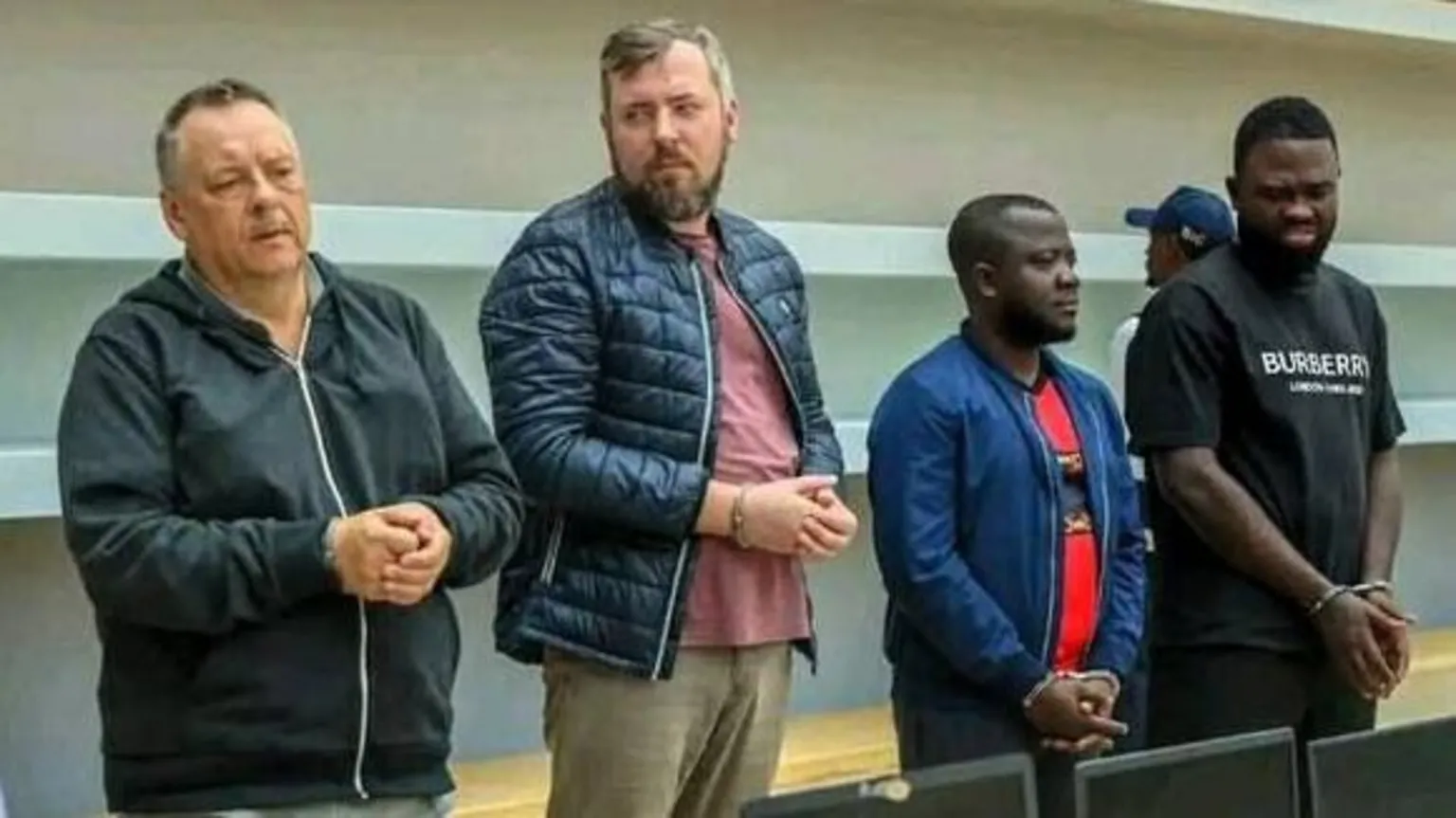
Two Russian nationals are set to go on trial in Angola, accused of attempting to interfere in the country’s upcoming presidential election, spreading disinformation, and provoking anti-government protests. Political consultant Igor Ratchin and translator Lev Lakshtanov, arrested last August, face 11 charges including terrorism, espionage, and influence peddling.

Angolan prosecutors allege the Russians operated on behalf of a shadowy network called Africa Politology, linked to former Wagner Group operatives. Their actions reportedly included efforts to sway political outcomes and promote Russian influence, while two Angolan collaborators, sports journalist Amor Carlos Tomé and youth activist Francisco Oliveira, face separate charges in connection with the operation.

The defendants’ legal teams deny involvement in any political interference, insisting their work was limited to cultural initiatives, such as establishing a Russian cultural center in Luanda. They challenge the indictment, citing a lack of concrete evidence and factual inconsistencies.

The alleged operation reportedly included producing and disseminating articles on social media and local news platforms, which prosecutors say were designed to influence public opinion and criticize foreign-backed projects. The indictment also claims meetings with senior Angolan politicians, including potential presidential candidates, though no verifiable evidence supports these allegations.

Observers note that Angola’s recent political trajectory and economic resources, including oil and diamonds, have heightened geopolitical interest, particularly from Russia, though the country has increasingly leaned toward Western engagement. Some analysts and activists argue that the protests in Angola last July, which became the deadliest since the civil war ended in 2002, were largely driven by socioeconomic conditions rather than foreign interference.

Legal experts highlight that the prosecution faces a major challenge in proving the alleged actions formed a deliberate pattern of subversion. Meanwhile, the Russian government appears reluctant to intervene, viewing the accused as private contractors rather than state agents.




