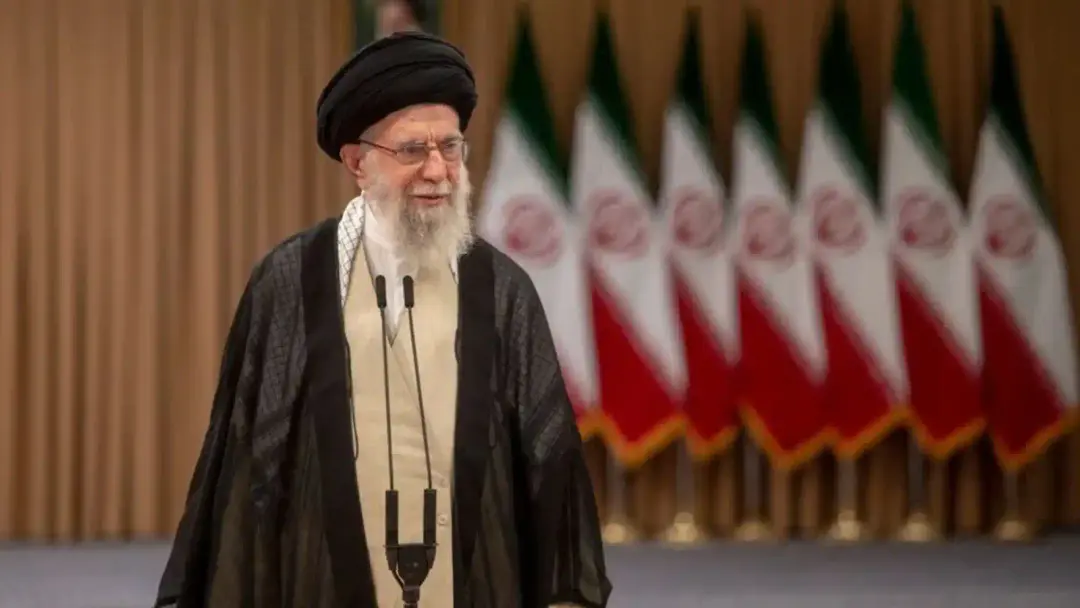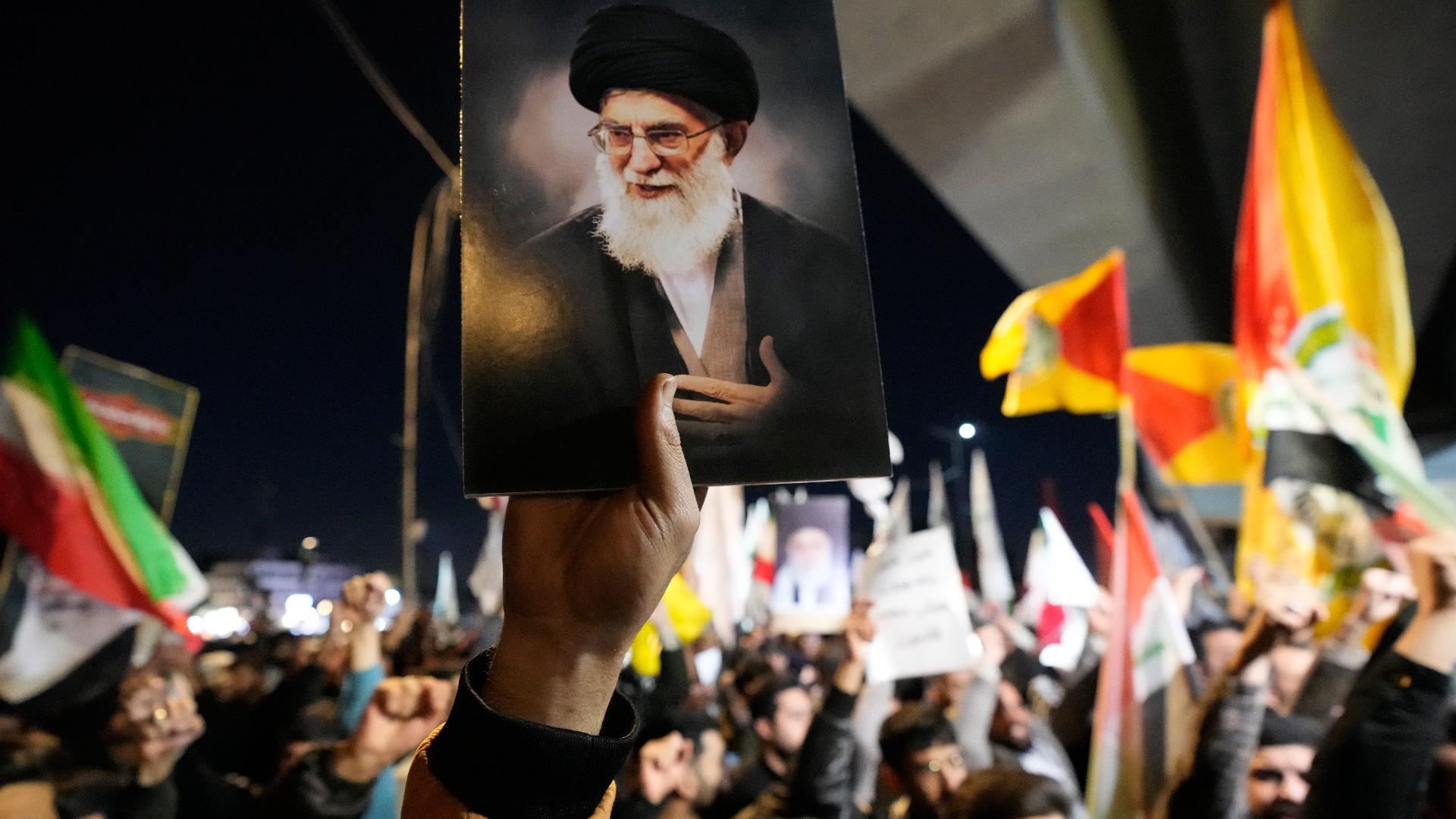
However, Iranian authorities have firmly rejected the claim. Semi-official news agencies in Tehran insist that Khamenei remains actively in charge. The country’s Foreign Ministry spokesperson, Esmail Baghaei, stated in an interview with ABC News that both Khamenei and President Masoud Pezeshkian are safe.

Further dismissing the reports, the head of public relations at Khamenei’s office accused Israel of engaging in psychological warfare aimed at destabilizing the country.

Saturday’s strikes reportedly targeted multiple locations across Iran. Israeli officials claimed that several senior figures within Iran’s leadership structure were eliminated. Meanwhile, Iran’s judiciary reported that one airstrike that hit a school in the southern region resulted in the deaths of 108 people.
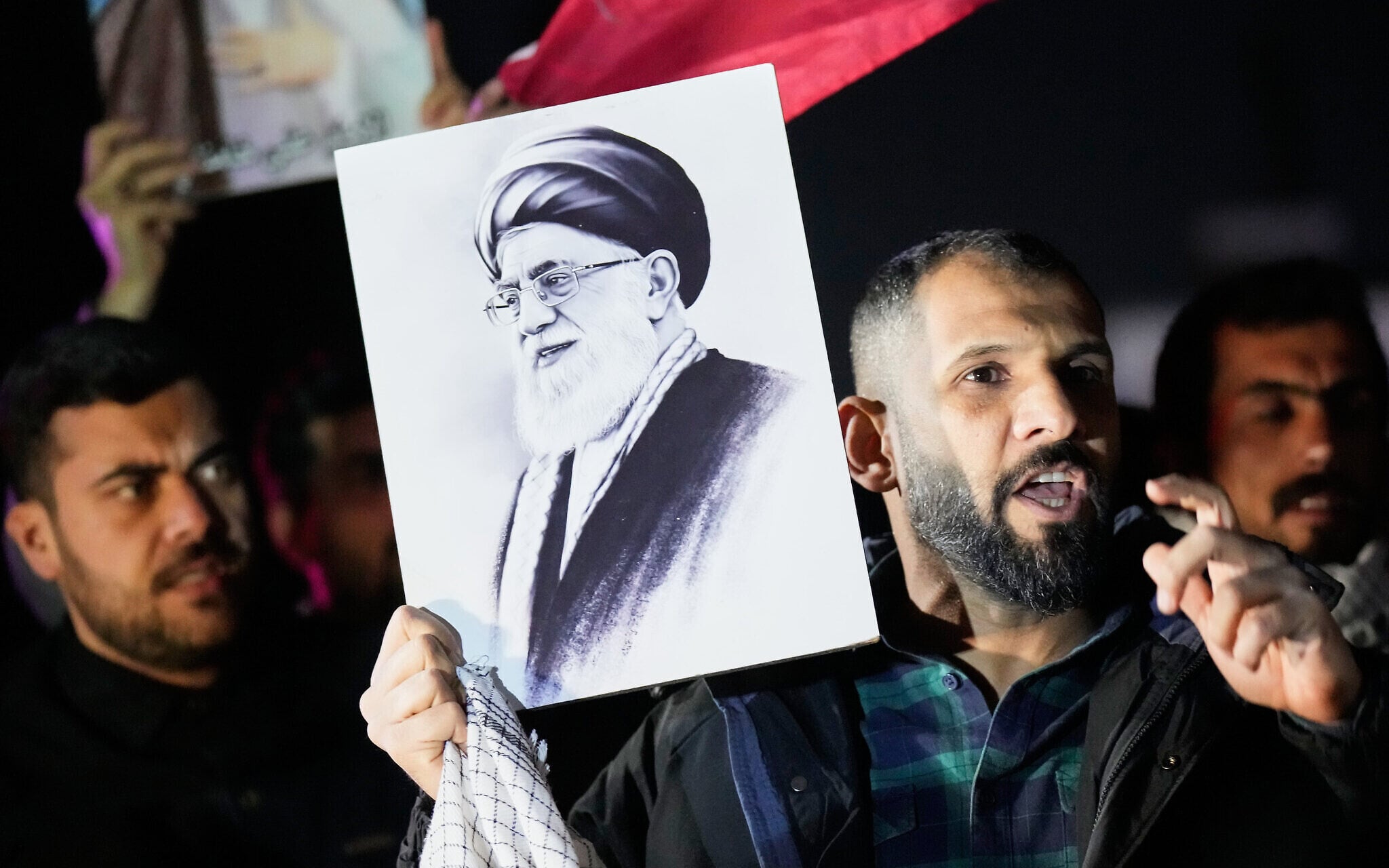
In retaliation, Iran launched counterattacks across parts of the Middle East. Explosions were reported in cities including Dubai, Doha, Bahrain, and Kuwait — locations known to host U.S. military bases or maintain close alliances with Washington.
U.S. President Donald Trump earlier confirmed that “major combat operations” were underway and urged Iranians to rise against their government.

Who is Ayatollah Ali Khamenei?
The 86-year-old Islamic scholar has served as Iran’s Supreme Leader since 1989, taking over from the founder of the Islamic Republic, Ayatollah Ruhollah Khomeini. Khomeini led the 1979 revolution that removed Iran’s then ruler, Mohammad Reza Pahlavi, from power.

As Supreme Leader, Khamenei holds ultimate authority over Iran’s executive, legislative, and judicial branches, as well as the armed forces. His tenure has been marked by strained relations with Western nations, economic sanctions, and domestic protests over governance and civil rights. He has repeatedly described the United States as Iran’s primary adversary, with Israel considered a close second.