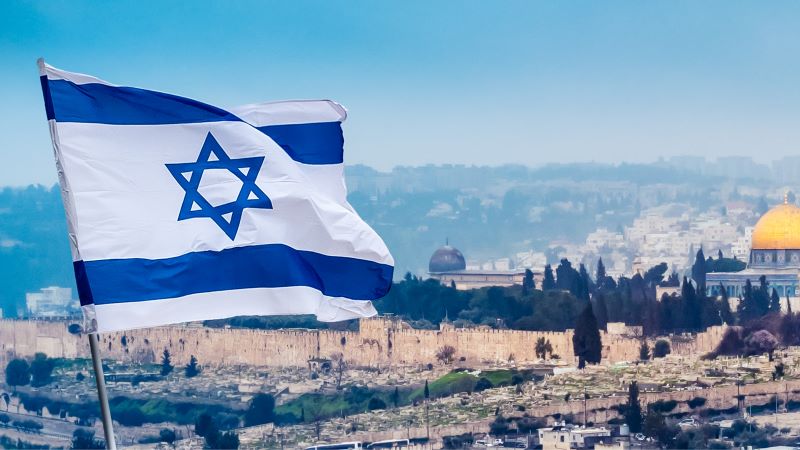
The Israeli military said on Monday that Iran launched multiple waves of missiles at Israel, while an attack was also initiated from Yemen — only the second such strike since the U.S.-Israeli war began.
According to Israeli authorities, two drones fired from Yemen were intercepted early Monday, though no further details were provided. Yemen’s Iran-backed Houthi group had entered the conflict over the weekend, escalating tensions by launching missiles toward Israel.
Israel also confirmed that its Air Force carried out strikes on Tehran, targeting what it described as key military infrastructure.
The latest developments come amid ongoing diplomatic signals, with U.S. President Donald Trump stating that Washington and Tehran have engaged in both direct and indirect talks. He expressed cautious optimism about a possible agreement but acknowledged that negotiations could still fail.

Meanwhile, Pakistan has positioned itself as a mediator, announcing plans to host talks aimed at ending the conflict, though it remains unclear whether both the U.S. and Iran will participate.
Despite weeks of sustained bombardment, Iran continues to launch missiles and drones, highlighting its remaining military capabilities. The conflict has spread across the Middle East, causing widespread destruction, thousands of deaths, and severe disruptions to global energy supply.
Iran has maintained pressure on global oil markets by sustaining a blockade of the Strait of Hormuz, a critical route for about 20% of the world’s oil and gas shipments. This has driven up oil prices and triggered economic concerns worldwide.

The situation has further intensified with reports of over 140 Israeli airstrikes on Iranian targets within 24 hours, including missile launch sites and storage facilities. Iranian media also reported strikes on key locations such as Mehrabad Airport and a petrochemical facility in Tabriz.
The United States has increased its military presence in the region, deploying thousands of troops and keeping open the option of a ground offensive. However, no final decision has been made.
Elsewhere, Israel signalled plans to expand operations into southern Lebanon in response to continued attacks from Hezbollah, raising fears of a broader regional conflict.
As the war enters its fourth week, global markets are already feeling the impact, with rising oil prices, falling stock markets, and growing concerns over inflation and a potential global economic slowdown.