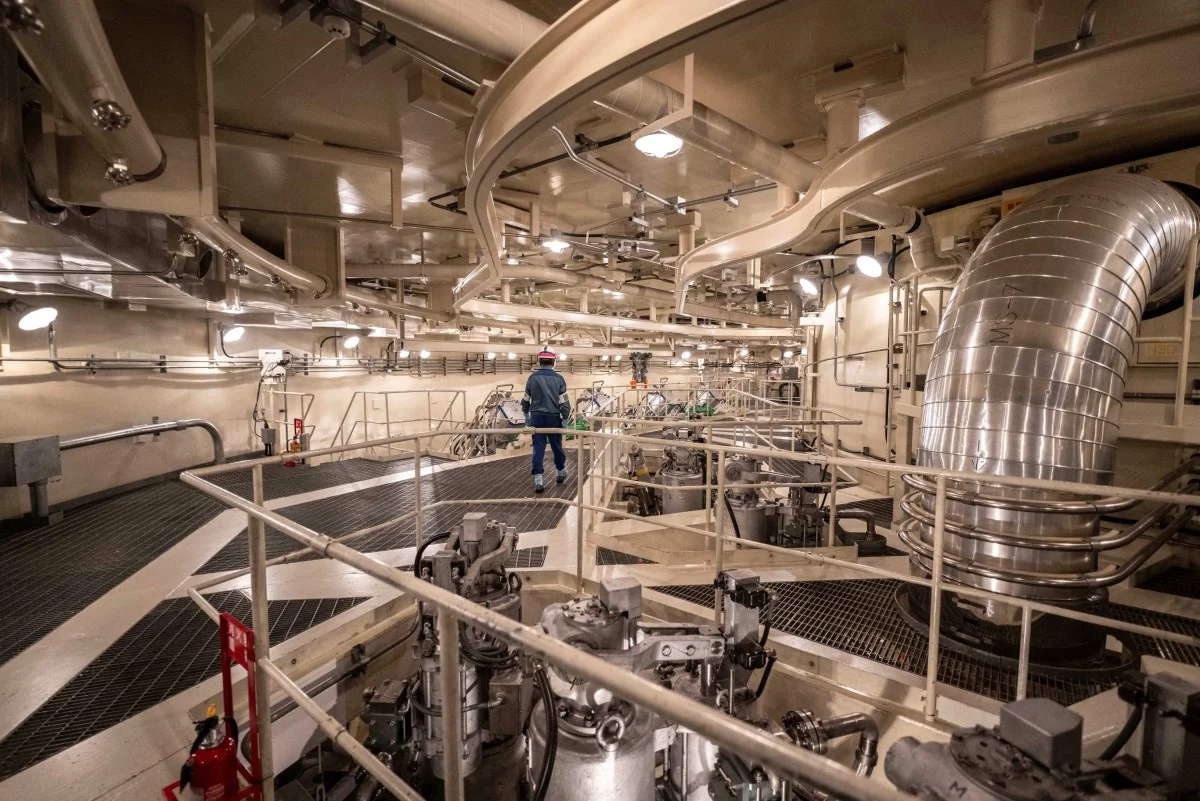
KASHIWAZAKI-KARIWA, JAPAN — Japan’s Kashiwazaki-Kariwa nuclear power plant, the world’s largest by capacity, was restarted on Wednesday for the first time since the 2011 Fukushima disaster, raising fresh safety concerns among local residents.
The plant’s operator, Tokyo Electric Power Company (TEPCO), confirmed the restart of one of its seven reactors at 19:02 JST (10:02 GMT). The resumption comes after approval from Niigata prefecture’s governor, despite public opinion remaining sharply divided.

A small protest unfolded on Tuesday near the plant’s coast-facing entrance, with mostly elderly residents braving the snow to voice opposition. Yumiko Abe, 73, questioned the decision: “It’s Tokyo’s electricity that is produced in Kashiwazaki, so why should the people here be put at risk? That makes no sense.”
A September survey indicated that around 60% of local residents oppose the restart, while 37% support it. TEPCO pledged to “proceed with careful verification of each plant facility’s integrity” and handle issues transparently.
Kashiwazaki-Kariwa was offline for nearly 15 years after Japan shut down nuclear plants following the 2011 earthquake and tsunami, which caused a meltdown at Fukushima Daiichi. This restart marks the first TEPCO-run reactor to go back online since that disaster.

Japan, heavily reliant on imported fossil fuels, is reviving nuclear energy to reduce carbon emissions, meet rising energy demands, and support growth in technologies such as artificial intelligence. Prime Minister Sanae Takaichi has publicly supported this strategy.
The plant has undergone safety upgrades, including a 15-metre-high tsunami wall, elevated emergency power systems, and stricter safety protocols. Yet residents remain wary. Chie Takakuwa, 79, said: “I think it’s impossible to evacuate in an emergency.” Concerns also include seismic risks, with the plant sitting on an active fault zone and having survived a strong quake in 2007.
Opposition groups have gathered significant support. On January 8, seven anti-restart groups submitted a petition signed by nearly 40,000 people to TEPCO and Japan’s Nuclear Regulation Authority, warning that the plant “makes many people anxious and fearful so as to send electricity to Tokyo… [which] is intolerable.”
The nuclear sector’s reputation has also been challenged by recent scandals and minor accidents, including data falsification and an alarm system failure at Kashiwazaki-Kariwa. TEPCO President Tomoaki Kobayakawa emphasised that “safety is an ongoing process” requiring constant vigilance.
Before the 2011 disaster, nuclear power supplied about a third of Japan’s electricity. Today, it accounts for roughly 8.5%, with plans to increase it to around 20% by 2040, as Japan also expands renewable energy sources. Meanwhile, the decommissioning of Fukushima continues, a process expected to take decades.