

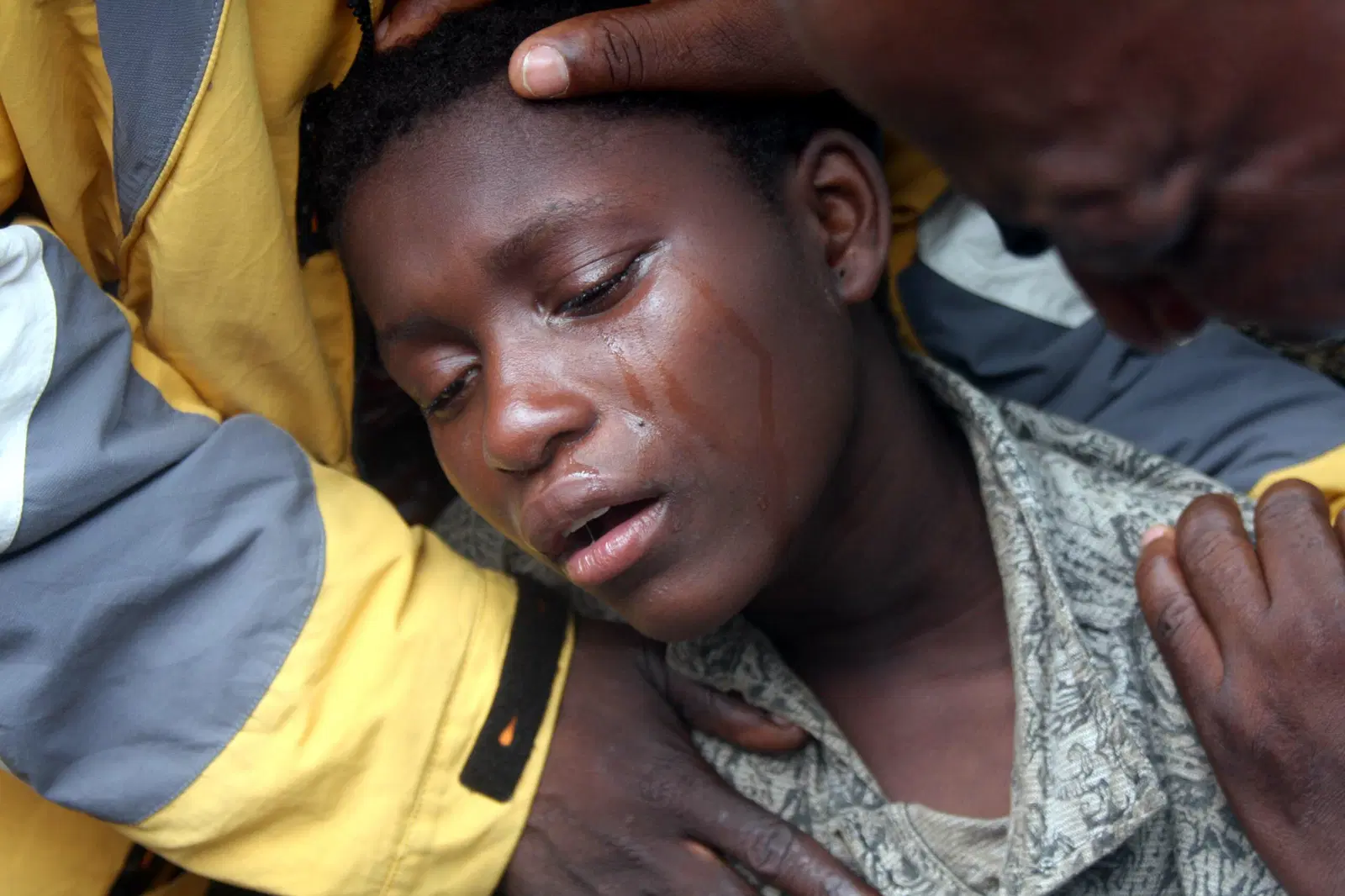
In just two weeks, Nigeria has been swept by a chain of coordinated kidnappings, stretching from the Federal Capital Territory to the edges of the North-West. The attacks, striking with eerie timing across multiple states, have heightened fear nationwide and forced the government into an urgent, reactive posture not seen in years.
It always starts subtly. One community wakes up to gunfire. Another wakes to find children missing. A rice farm goes silent. A church empties under sudden attack. A boarding school is overrun before dawn. A forest absorbs more than 300 innocent people. Soon the stories echo across the country like a signal—one only the abductors seem to fully understand.
What Nigeria has witnessed over the past fourteen days is not a random spread of tragedies, but a pattern of violence appearing almost rhythmic in its consistency, ringing like a national alarm.

The Capital Breached, Security Shaken
From Abuja to Niger, Kwara, Kebbi, Borno, Zamfara, Katsina, and Kaduna, kidnapping incidents surged with a level of confidence that suggests planning, preparation, and even anticipation. Nigeria has endured cycles of insecurity before, but this period unfolded like a storm testing its own power.
When gunmen could invade the Federal Capital Territory and kidnap seven people—including six girls and a teenage boy—from Gidan Bijimi, it signaled a dangerous shift. The attack came shortly after a foiled kidnap attempt in Guto, where two suspects were killed. The implication was clear: the capital’s protective shell is weakening, and the notorious Abuja–Kaduna forest corridor is stirring again.

Niger State: The Epicentre of Recent Tragedies
Niger State experienced the worst of the recent wave. The mass abduction at St. Mary’s School, Papiri, stunned the country. Before dawn, heavily armed men arrived on motorcycles and trucks, taking 303 students and 12 teachers—315 people in one sweep. While 50 later returned, over 250 remained missing at the last count.
Just days later, Palaita community suffered its own blow when 24 farm workers—including pregnant women—were abducted directly from farmlands. The repetition of trauma has left the state living under constant threat.
Kwara’s Rural Communities Overwhelmed
In Kwara, earlier in November, 38 church members were abducted in Eruku before eventually regaining freedom. But the calm didn’t last. On November 24 and 25, gunmen struck Isapa village, taking between eleven and seventeen residents, including pregnant women, nursing mothers, and children.

Farming villages now live in the shadow of forested borders, and despite federal orders for nonstop aerial surveillance, a sense of vulnerability persists.
Kebbi’s Schoolgirls and the Expanding Reach of Violence
Kebbi also became part of the grim narrative when 25 schoolgirls were abducted from Government Girls Comprehensive Secondary School, Maga. One escaped immediately while the rest were later rescued. The attack expanded insecurity deeper into regions once believed to be relatively shielded.
Meanwhile, Borno, Zamfara, Katsina, and Kaduna continued to record smaller—but no less painful—incidents. The nation’s insecurity has grown into a sprawling map with no single centre.
A Profitable Criminal Industry, A Government Slow to Act
Security analysts have long warned that kidnapping has evolved into a structured, lucrative business running on networks, intelligence, and logistics. While officials maintained either cautious optimism or denial, criminal groups grew more organized and more daring.
A turning point eventually emerged—perhaps triggered by the escalating frequency of attacks, breaches close to the capital, or amplified international attention. Government actions suddenly intensified: deployments increased, orders sharpened, and official rhetoric took on a tougher tone. Yet many argue this newfound urgency came long after the criminals had expanded their territory.

Voices From Concerned Citizens
Arc. Bello Muhammed, Architect:
He argued that foreign political pressure may be contributing to Nigeria’s tension, but also described the situation as evidence of leadership failure. He urged the government to root out internal collaborators fueling the crisis for political gain.
Sewhude Akande, DG, BTDC:
Akande noted that the attacks didn’t suddenly resume—they simply became more visible after US President Donald Trump’s remarks. He suggested that terrorists are now launching symbolic, high-profile assaults to project defiance and attract attention.
Comrade A. Ezeonara, Activist:
He criticised the Federal Government for lacking a concrete, effective strategy against insurgency. He questioned why, despite campaign promises, so few terrorists have been arrested, prosecuted, and jailed since the administration took office.

Security Emergency and Its Consequences
The newly declared national security emergency has brought both relief and apprehension. Such a declaration is more than symbolic—it reshapes how government operates. It gives security agencies broader authority, accelerates intelligence processing, and allows states to reinforce local security structures. It may even fast-track terrorism trials via military tribunals, reducing years-long cases to weeks.
But with expanded powers come serious risks. Civil liberties may tighten, and oversight must strengthen. The country must balance urgency with restraint, ensuring that swift action does not drift into unchecked excess.

A Nation Waiting
Nigeria now stands at a pivotal moment. Government officials say they are fully awakened to the crisis, but the criminals show no sign of slowing. Communities brace for the next night, the next sound, the next raid. And the country wonders whether this emergency-inspired awakening can truly halt a menace that has gathered its own momentum—or whether these two harrowing weeks will be remembered as the moment Nigeria realised the problem ran deeper than insecurity alone.



